Oil Prices Surge to $110 After Gas Field Attack
Oil prices neared $110 a barrel after an attack on a natural gas field, reflecting heightened geopolitical risks in energy markets.
Cuneyd Erdogan ·
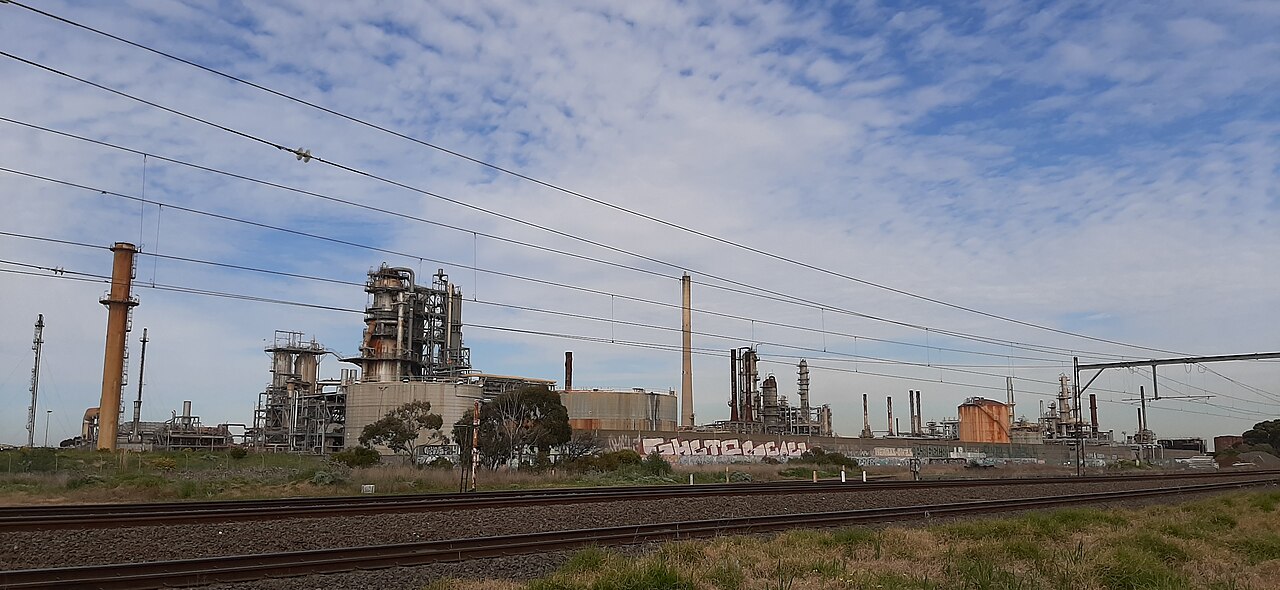
Global crude oil benchmarks approached $110 per barrel following reports of an attack on a significant natural gas field. This price movement reflects heightened geopolitical risk premiums in energy markets, particularly concerning supply stability in key producing regions. The incident underscores the vulnerability of critical energy infrastructure to regional conflicts.
Geopolitical Tensions Drive Price Action
Brent crude futures, the international benchmark, and West Texas Intermediate (WTI), the U.S. benchmark, both experienced upward pressure. This surge is directly linked to an escalation of hostilities in the Middle East, a region central to global energy production and transit. Market participants are closely monitoring the situation for potential broader implications on oil and gas flows.
Impact on Global Energy Supply
The targeted natural gas field is a vital component of regional energy supply, and any disruption can have cascading effects on global markets. While the immediate impact on crude oil production might be indirect, the attack signals an increased risk to the broader energy complex. Traders are factoring in potential supply chain interruptions and increased insurance costs for shipping.
Historical Context of Oil Price Volatility
Oil prices have historically reacted sharply to geopolitical events, especially those impacting major producing nations or critical chokepoints. Past conflicts in the Middle East, such as the Gulf Wars or more recent regional skirmishes, have consistently led to significant price spikes. This current event aligns with that established pattern of market response to perceived supply threats.
Market Response and Investor Sentiment
Investors are re-evaluating risk exposure, leading to a flight to safety in some asset classes while driving up commodity prices. The energy sector, particularly oil and gas companies, often sees increased valuations in such environments. However, sustained high prices can also trigger concerns about global economic growth and inflation.
Broader Economic Implications
Elevated oil prices contribute to inflationary pressures worldwide, impacting consumer spending and corporate profitability. Central banks, already grappling with persistent inflation, may face renewed challenges in managing monetary policy. Energy-importing nations are particularly vulnerable to the economic fallout from higher crude costs.
Outlook for Energy Markets
The trajectory of oil prices will largely depend on the de-escalation or further intensification of regional conflicts. Any signs of prolonged disruption or expansion of hostilities could push prices even higher. Conversely, a swift resolution and assurances of supply security could lead to a moderation in the current upward trend. Analysts are closely watching diplomatic efforts and military developments.
Implications
Country Impact: Energy-importing nations face increased inflationary pressures and potential economic slowdowns due to higher fuel costs. Exporting nations may see short-term revenue boosts but also heightened geopolitical instability.
Industry Impact: The oil and gas industry experiences increased revenue potential but also faces elevated operational risks and insurance costs. Transportation and manufacturing sectors will contend with higher input costs, potentially impacting profitability.
Market Impact: Global equity markets may see volatility, with energy stocks potentially outperforming while other sectors face headwinds from inflation. Bond yields could rise as central banks consider tighter monetary policies to combat price pressures.