Iran Discovers Massive Natural Gas Field in Fars Province
Iran has discovered a massive 7.5 trillion cubic foot natural gas field in Fars province, a find set to reshape its energy and export strategy.
Mateo Fernandez ·
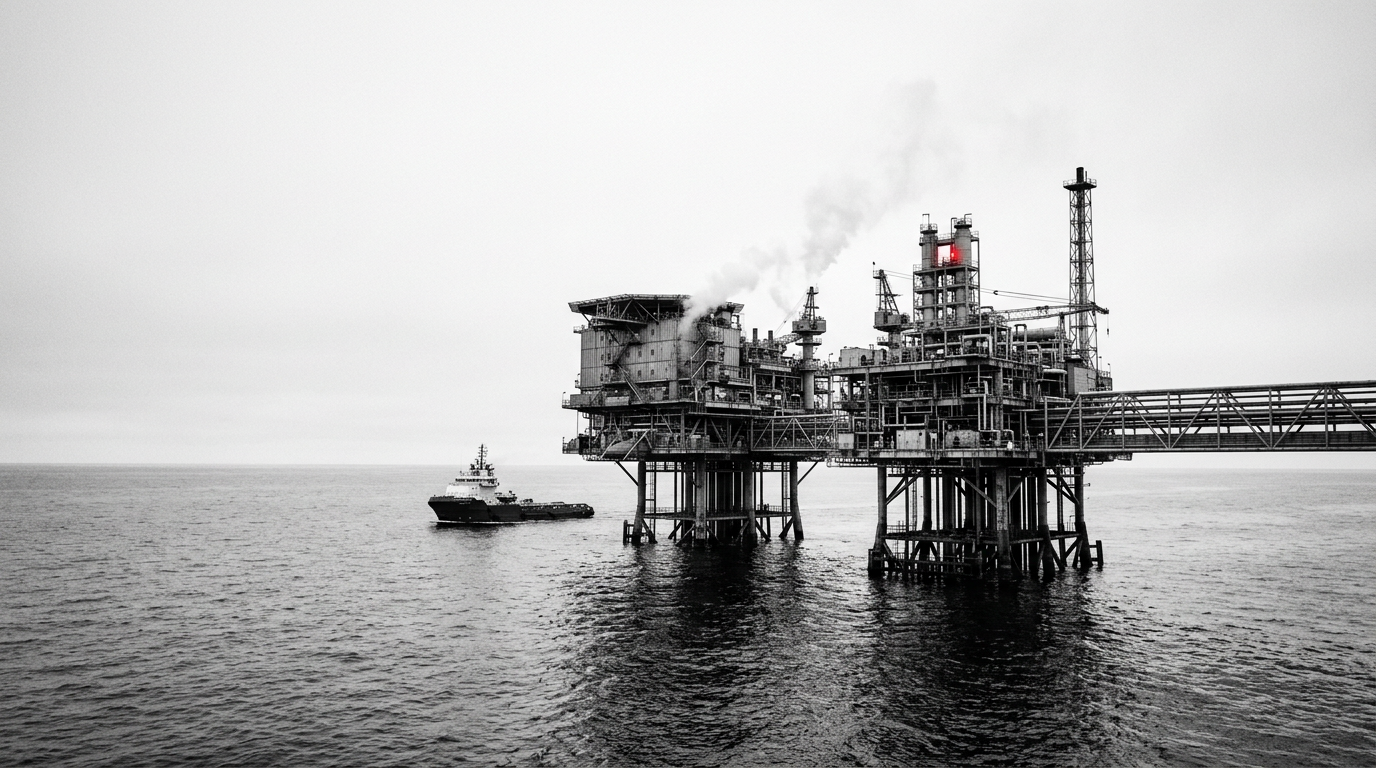
Iranian authorities have confirmed the discovery of a substantial natural gas field within the nation's Fars province. Officials stated on August 23, 2026, that the newly identified reservoir holds an estimated 7.5 trillion cubic feet of natural gas. This announcement marks a potentially pivotal development for Iran's long-term energy outlook, impacting both domestic supply security and future international export capacity.
The full implications of this discovery are currently under assessment by global energy markets, traders, and potential regional buyers. While the volumetric estimate has been provided, specific details regarding appraisal drilling activities or projected production timelines have not yet been disclosed by authorities.
Energy Sector Expansion Potential
Should subsequent appraisal work validate commercial viability and sustainable production volumes, the new field could significantly enhance Iran's overall energy reserves. This would enable national energy companies to rebalance domestic supply, potentially freeing up existing resources or boosting total export potential. However, any immediate market reaction largely depends on these upcoming technical results, as findings that do not meet expectations would likely limit short-term market shifts.
Several critical factors will influence the timeline and feasibility of converting this discovery into exportable volumes. These include securing adequate financing for development, expanding existing pipeline infrastructure, and increasing the necessary liquefaction capacity for liquefied natural gas (LNG) exports. Any foreign investment required for such large-scale projects would also need to navigate existing legal and regulatory frameworks.
Market Monitoring and Future Outlook
Authorities have not yet provided a definitive timetable for addressing the logistical and financial challenges, leaving open questions about the speed at which additional gas volumes could reach international buyers. Energy markets are anticipated to closely monitor future official updates concerning appraisal drilling and technical assessments. Formal technical findings released by September 30, 2026, are expected to be particularly influential in shaping export prospects and near-term alterations in regional gas flows.
This discovery occurs at a time when global energy markets are acutely focused on diversifying supply sources and enhancing energy security. While the reported volume is considerable, the transition from discovery to full-scale production and export is complex, demanding substantial capital investment and advanced technological expertise. The long-term impact on global gas prices and regional energy dynamics will largely hinge on Iran's capability to efficiently develop and integrate this new resource into its existing energy infrastructure.
Regional Energy Balance Considerations
For the broader region, a significant increase in Iran's natural gas output could reshape existing supply-demand dynamics. Depending on the established export routes and available capacity, it might offer new options for neighboring countries seeking energy supplies or potentially intensify competition among current suppliers. The development of this field could also draw renewed attention to Iran's wider energy sector, potentially stimulating further exploration and investment opportunities within the country.
The global significance of this find will also be measured by its potential contribution to reducing reliance on other major gas-producing nations and its role in balancing international energy markets, particularly given geopolitical considerations that frequently influence energy trade. The upcoming months will be crucial for understanding the practical implications of this announced discovery and its broader impact.