Russian uranium shipments received by Westinghouse in US
Russian low-enriched uranium shipments were recorded as received by Westinghouse for US commercial reactors, raising supply-chain risk amid the war.
Mateo Fernandez ·
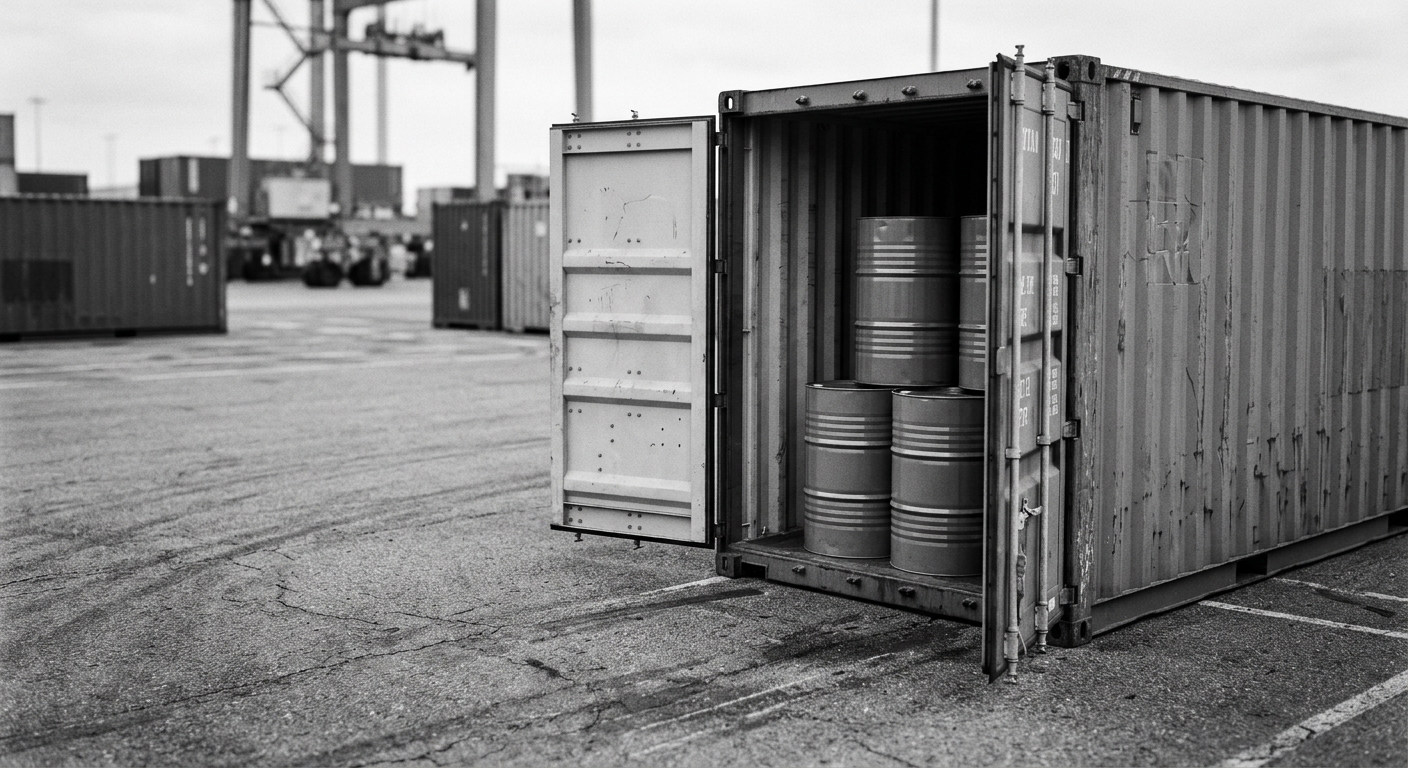
Westinghouse Electric, a Canadian-owned nuclear fuel and technology company, received consignments of Russian-origin low-enriched uranium intended for use in commercial nuclear reactors in the United States, according to shipping records.
The records listed Westinghouse Electric as the recipient and indicated the material was destined for U.S. reactor operators, the data showed. The shipments were described as low-enriched fuel for electricity-generating reactors.
Shipping records point to civilian reactor fuel
The shipping information did not connect the consignments to military purposes or to weapons-grade material, according to the data. Instead, the cargo descriptions presented the deliveries as fuel used in the civilian nuclear power sector.
Officials and the company had not provided an immediate reaction in the materials reviewed. Any clarification on the shipments, including timing, volumes, and end users, would need to come from regulators, utilities, or Westinghouse.
Imports continue despite war-related infrastructure attacks
The data comes as Russian forces continue attacks on Ukraine’s power infrastructure. Against that backdrop, the shipping records indicate that Europe and the United States are still importing Russian-origin nuclear fuel for electricity generation.
Westinghouse Electric
The continued flow highlights a practical reality for nuclear operators: reactor fuel supply chains can remain active even when broader political and security conditions deteriorate. At the same time, the records show that the market remains exposed to geopolitical shocks tied to transport routes and contract stability.
Exposure for utilities and nuclear fuel markets
The ongoing imports create a point of vulnerability for utilities and nuclear fuel markets if supply routes, financing, or contractual arrangements are disrupted. The source material notes that such disruptions could translate into logistical strain for reactor operators or higher costs to replace supply on short notice.
In the nearer term, utility procurement teams and grid operators are identified as the stakeholders most immediately affected should deliveries slow or if contract renegotiations begin. The operational challenge would be ensuring continuous fuel availability for commercial reactors that support electricity generation.
Potential updates expected within days
Further detail may emerge if regulators initiate a review or if Westinghouse releases a public statement. The source material indicates that updates, if they occur, could appear by August 24, 2026.
For now, the publicly available information centers on what the shipping records show: Russian-origin low-enriched uranium was logged as shipped to Westinghouse in the United States for commercial reactor fuel use, with no indication in the records tying the material to weapons-grade applications.