Global heat risks test power grid stability through 2027
Global heat risks are rising as warming overlaps with El Niño, with models cited warning grid stress could intensify and peak in 2027.
Atlas Newsdesk ·
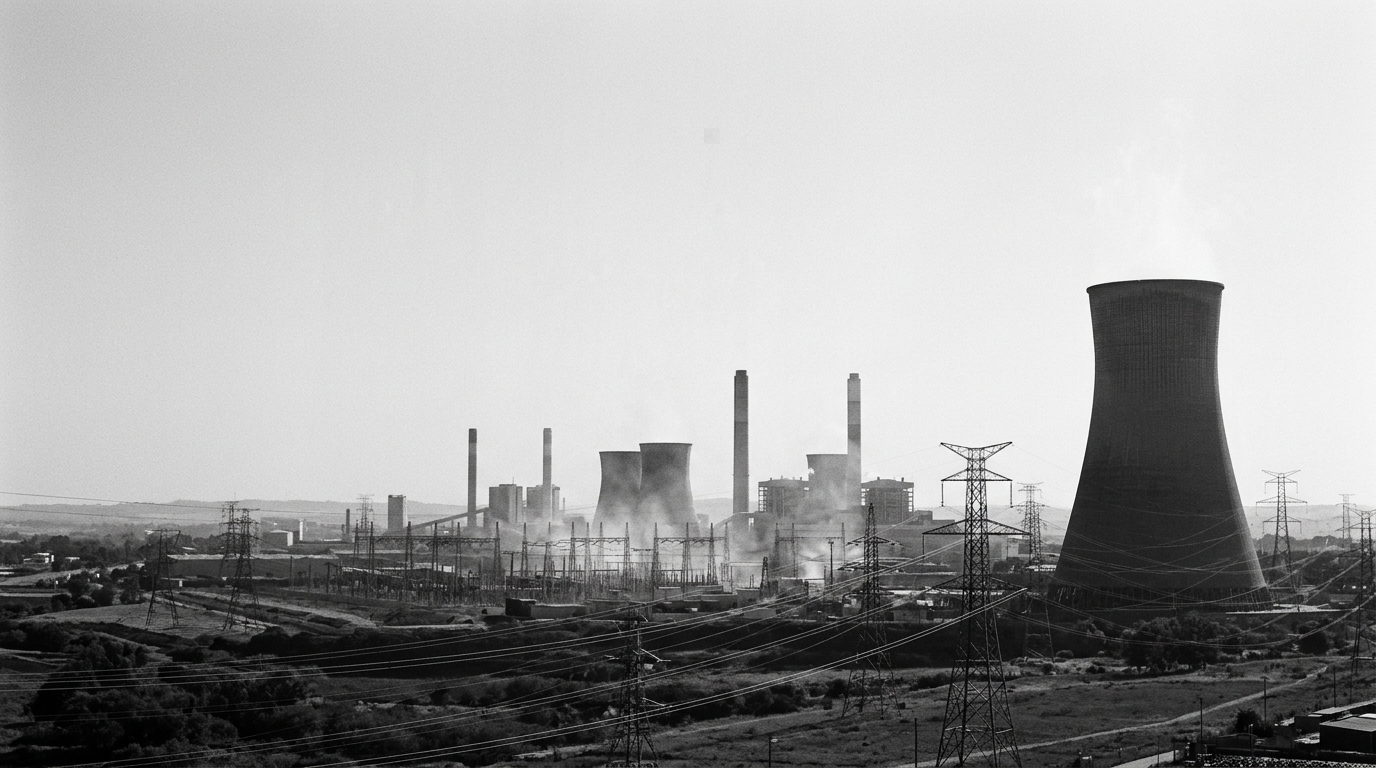
New temperature records in Europe, the United States, and South Korea are intensifying concerns that electricity systems could face rising strain as long-term warming intersects with the current El Niño cycle. Officials and institutions reviewing these projections are being urged to consider a basic constraint: much of the existing grid and related infrastructure was built for earlier climate conditions, while upgrades can take significant time in areas where power demand is already high.
The source material frames the issue as more than a near-term heatwave problem. It describes a multi-year risk window through 2027, driven by how natural variability and long-term warming can overlap, and by how slowly major system reinforcements can be planned and delivered.
El Niño models point to a timing lag El Niño models point to a timing lag that shifts risk Analytical models cited in the source material indicate Analytical models cited in the source material indicate that the most disruptive atmospheric effects linked to El Niño often do not crest at the same time as warming in the tropical Pacific Ocean. In that description, the Pacific “ocean signal” can appear earlier, while broader atmospheric impacts arrive later. Because of this lag, the models suggest 2027 could bring harsher thermal conditions than the current year, even if ocean conditions change earlier. The source material describes the timing mismatch as central to the risk signal highlighted by the models, and it presents the possibility of delayed impacts as a reason planning should not focus only on the current season. For the United States, the source material says the current El Niño developed rapidly and notes it may be the strongest on record. It argues that the speed of development is another reason for planners to revisit assumptions about when disruptions could concentrate and which regions may face the highest stress.
Heat can raise demand while cutting system efficiency
United States The source material places grid stability and operational continuity at the center of the exposure, describing critical infrastructure as a primary concern. Higher temperatures can increase electricity demand for cooling at the same time that heat can lower system efficiency, tightening operating margins during peak hours. It adds that the risk extends beyond households and public services. Energy-intensive sectors are flagged as particularly vulnerable, with reliability issues potentially spilling into production schedules, maintenance planning, and broader business continuity decisions. In this framing, potential disruption becomes both an engineering challenge and an organizational one. Grid hardening and operational changes typically require long lead times and coordination across multiple actors, which can limit how quickly risks can be reduced once warnings become acute. Planning now, but uncertainty remains on severity and location The source material argues that public and private entities should reassess risk management strategies now. It links the rising exposure to the continued buildup of greenhouse gases, which it says adds to natural climate variability and increases the consequences of extreme conditions for institutions and operators. Policymakers are advised to prioritize measures to strengthen Policymakers are advised to prioritize measures to strengthen energy systems and to implement robust early warning protocols intended to reduce economic and operational disruption in coming years. However, the source material does not provide specific cost estimates or implementation timelines.
That absence underscores what remains uncertain: how severe the impacts could be and where they may be most concentrated. Even so, newly reported temperature records are presented as an immediate signal, while the models point to a planning horizon that extends beyond a single summer or a single El Niño phase.