

Ocean warming leaves 340 reef-building corals threatened
A Nature study assessed 892 reef-building coral species and found nearly 44% face higher extinction risk, mainly from climate-driven heat stress.
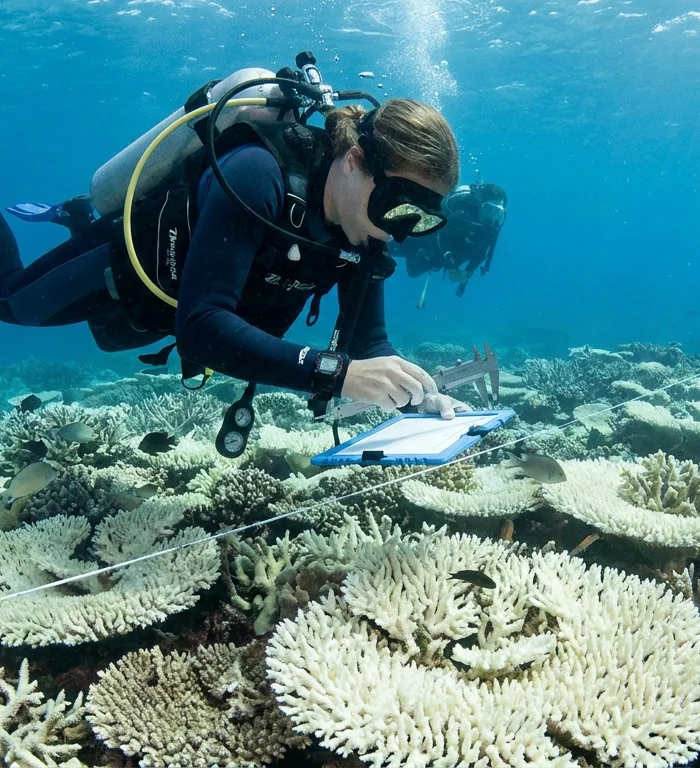
A Nature study involving the Australian Institute of Marine Science and the University of Queensland found nearly 44% of reef-building corals face higher extinction risk, Daily Sabah reported Oct. 20.
The assessment covered 892 species and classified 340 of the 774 with enough data as threatened, compared with 434 not placed in threatened categories within that data-sufficient group.
The threatened group included 33 species classified as critically endangered, 251 as endangered and 56 as vulnerable under International Union for Conservation of Nature Red List criteria, the global system for extinction-risk categories.
Researchers examined coral population trends and projected heat stress, updating an assessment from 2008. The study identified heat stress driven by climate change as the main reason for projected population declines.
Reef-building corals are marine animals that create the hard structures underlying tropical reefs. When water gets too warm, corals can lose the algae in their tissues that supply nutrients and color, a process called bleaching.
Bleached corals are more exposed to starvation, disease and death. The study’s finding links species-level extinction risk to warming seas, with heat stress treated as the main projected pressure in the assessment.
The timing matters because the research was completed before record ocean heat and the global coral bleaching event of 2023 to 2025. Researchers warned the share of threatened species could now be higher, though the study did not provide a post-2025 count.
Atlas360 reported Sept. 21 that global warming was nearing 1.8 degrees, adding pressure on policymakers to focus on near-term measures to limit climate overshoot. The coral assessment points to one biodiversity channel through which higher temperatures affect marine ecosystems.
The researchers said limiting further warming remains essential to preserving coral biodiversity. Coral reefs support diverse marine life and provide food, coastal protection and livelihoods in more than 100 tropical countries.
More stories
- Christina Applegate says 2021 MS diagnosis was wrong
- You Can See Everything grosses $15m from 855 screens
- El Gouna selects 5 filmmakers for third Rising Stars cohort
- Ellie & Natasia creators refit BBC sketch show after 3-year gap
- The Traitors turns about 20 cues into global TV identity
- Tesla seeks $50,000 Roadster deposits after rocket-assisted demo
Latest news
- Bear visit links California library to Pooh milestone date
- Senate passes TBI Act renewal after 2024 lapse
- Zelenskiy plans Ukraine talks in Oslo as US ties deteriorate
- Mali attacks kill at least 48 as civilians flee to Menaka
- Loop Capital cuts Apple target to $330 on iPhone forecast
- Ryanair warns European fares may rise 20% in 2027
- France weighs costs as French riots test insurance sector
- Andalucía has 12 of Spain's 15 poorest municipalities