Iran Threatens Hormuz Shipping, IEA Releases Oil
Iran's IRGC threatens to close the Strait of Hormuz to US/allied shipping, prompting the IEA to release 400 million barrels of oil.
Lauren Collins ·
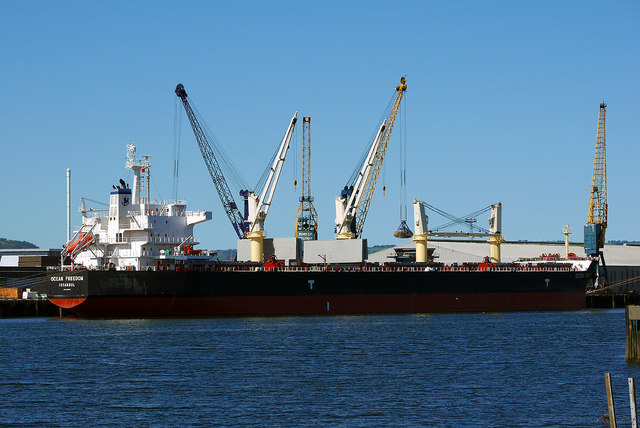
Iran's Islamic Revolutionary Guard Corps (IRGC) declared on March 11, 2026, its intention to interdict any maritime traffic in the Strait of Hormuz associated with the United States, Israel, or their allies. This statement effectively signals a potential closure of the vital shipping lane, a move that would significantly disrupt global energy markets. The IRGC's announcement follows a recent incident involving the Thai bulk carrier Mayuree Naree near the Strait and ongoing regional tensions.
The IRGC explicitly stated that no oil shipments would be permitted through the Strait, a chokepoint through which approximately one-fifth of the world's oil supply transits daily. This threat has immediately escalated concerns regarding energy security and global oil prices, with projections suggesting a potential surge to $200 per barrel.
International Response to Energy Threat
In direct response to the escalating situation, the International Energy Agency (IEA) announced on the same day, March 11, that its 32 member nations have collectively agreed to release 400 million barrels of oil from their emergency reserves. This coordinated action aims to stabilize international energy markets and mitigate the immediate impact of potential supply disruptions and price increases.
Several IEA member countries, including Germany, Austria, and Japan, have committed to contributing to this strategic reserve release. Japan, a nation heavily reliant on the Strait of Hormuz for its oil imports, plans to release approximately 80 million barrels from its national reserves starting March 15. Japan imports around 70% of its crude oil via this critical waterway.
Geopolitical Context and Market Uncertainty
The IRGC's declaration is set against a backdrop of heightened conflict between the US-Israeli alliance and Iran, which commenced on February 28. This broader regional instability is a key driver behind the current maritime threats and the subsequent market reactions. The Strait of Hormuz, located between Iran and Oman, is strategically crucial for global trade, particularly for oil and gas shipments from the Persian Gulf.
Maritime security analysts have indicated that transit through the Strait of Hormuz is currently deemed unfeasible for commercial shipping due to the elevated threat level. This assessment raises significant concerns about a protracted crisis affecting shipping routes and energy supplies, particularly for European and global economies.
The duration of the ongoing conflict and its potential impact on oil production capabilities within Gulf Cooperation Council (GCC) countries remain central factors contributing to market volatility and uncertainty.
Economic Implications and Future Outlook
The potential closure of the Strait of Hormuz carries severe economic implications beyond immediate oil price spikes. It could lead to significant supply chain disruptions, increased shipping costs, and broader inflationary pressures globally. The coordinated IEA release, while substantial, addresses immediate supply concerns but does not resolve the underlying geopolitical tensions.
The international community is closely monitoring developments, with diplomatic efforts likely to intensify to de-escalate the situation. The long-term stability of energy markets will depend on the resolution of the conflict and the assurance of safe passage through the Strait. Continued vigilance on oil production levels in the region and the effectiveness of strategic petroleum reserve releases will be crucial in managing the economic fallout.
Implications
Country Impact: Countries heavily reliant on oil imports via the Strait of Hormuz, such as Japan and European nations, face immediate energy security challenges and potential economic slowdowns. Diplomatic efforts will intensify to protect national interests and secure alternative supply routes.
Industry Impact: The global shipping industry faces severe disruptions, increased insurance premiums, and rerouting challenges, impacting supply chains across various sectors. The energy sector will experience heightened volatility, with oil and gas companies navigating supply uncertainties and price fluctuations.
Market Impact: Global financial markets are likely to exhibit increased volatility, particularly in energy commodities. Equity markets may see downturns due to economic uncertainty, while bond markets could experience shifts as investors seek safe-haven assets. Inflationary pressures are expected to rise globally.