US Military Reports 140 Injuries in Iran Conflict
The US military reported 140 service members injured and 7 fatalities in the 10-day Iran conflict, with 108 returning to duty.
Lauren Collins ·
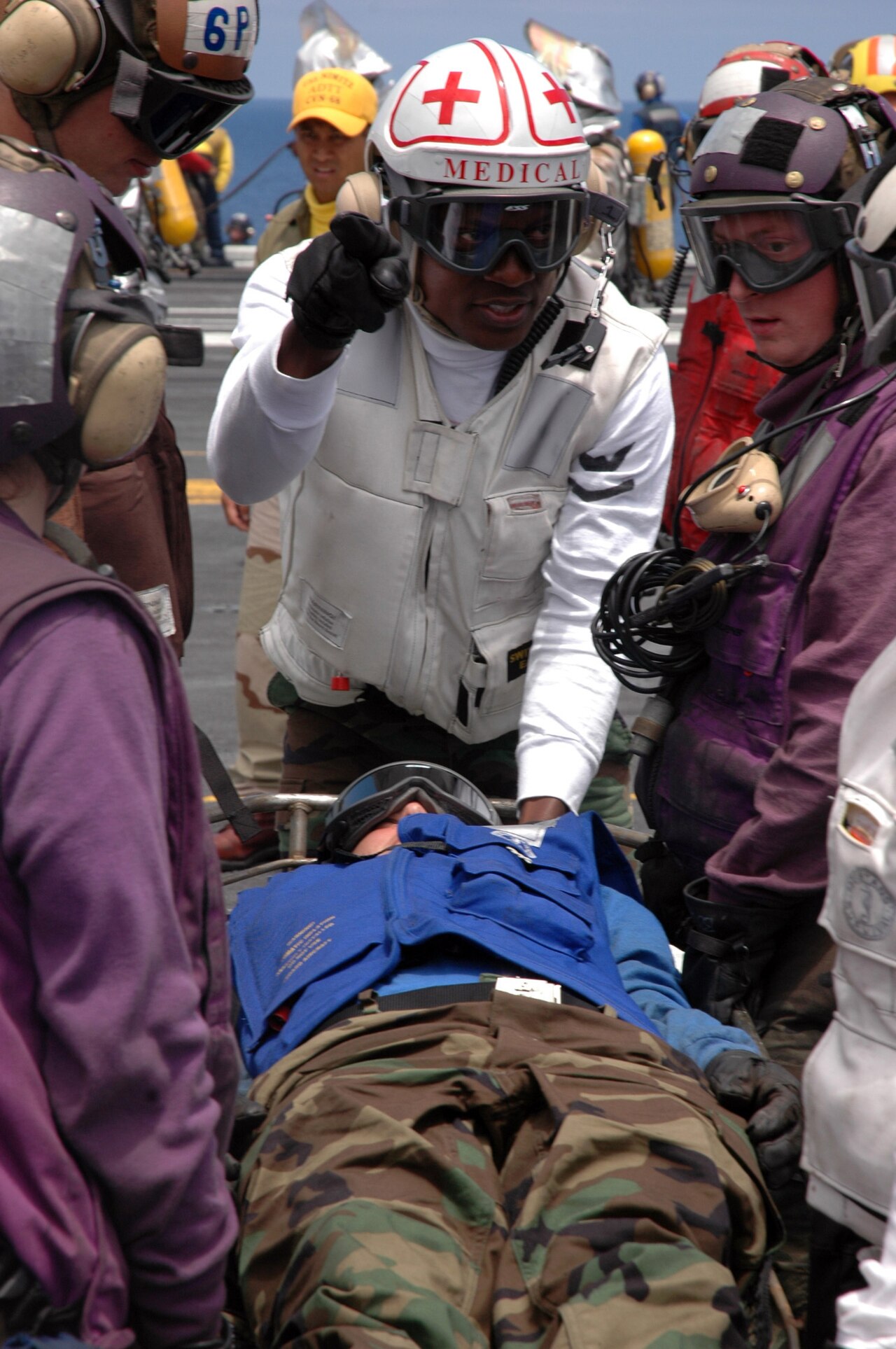
The United States military has reported that 140 service members have sustained injuries during the recent 10-day conflict with Iran. This figure represents the initial official count of U.S. personnel wounded in the ongoing hostilities. Eight individuals are currently receiving medical treatment for severe injuries, while 108 have been able to return to active duty, according to statements from Chief Pentagon Spokesman Sean Parnell.
These injuries occurred amidst military operations in the region, which have also resulted in seven U.S. fatalities. The conflict's duration and intensity have been subjects of varying official statements from the Trump administration. Initially, the offensive was projected to last approximately four weeks, with President Trump suggesting operations were proceeding ahead of schedule.
Casualty Figures and Operational Context
The Pentagon's confirmation on Tuesday provided the first comprehensive overview of non-fatal casualties. The nature of the injuries has not been fully detailed, but the high number of personnel returning to duty suggests a range of severity. This data offers a clearer picture of the human cost incurred during the initial phase of the military engagement.
Administration's Stance and Projections
The Trump administration had previously indicated that casualties were an anticipated aspect of the military campaign. Public statements from the administration have at times presented a mixed outlook regarding the conflict's progression and its anticipated trajectory. These communications have sought to manage public expectations while emphasizing the strategic objectives of the operations.
Historical Context of US Engagements
This incident marks another chapter in the complex history of U.S. military involvement in the Middle East. Previous engagements, such as the Iraq War and the conflict in Afghanistan, have seen significant U.S. casualties, shaping public and political discourse on military interventions. The current figures, while preliminary, contribute to the ongoing assessment of the strategic and human costs of the Iran conflict.
Implications for Regional Stability
The reported injuries and fatalities underscore the volatile security environment in the Middle East. Escalations between the U.S. and Iran have broad implications for regional stability, international shipping lanes, and global energy markets. The precise impact of these casualties on future military strategy and diplomatic efforts remains a critical area of observation for international observers and policymakers.
Outlook on Future Engagements
As the situation evolves, attention will remain focused on official casualty reports and the administration's strategic communications. The balance between military objectives and the protection of service members is a constant consideration in such conflicts. Future developments will likely influence both domestic political sentiment and the broader geopolitical landscape concerning U.S. foreign policy in the region.
Implications
Country Impact: The casualty figures could influence domestic political debate in the United States regarding military engagement in the Middle East. Public support for sustained operations may shift based on the perceived human cost.
Industry Impact: Increased regional instability stemming from the conflict could impact global energy markets, particularly oil prices, due to potential disruptions in shipping routes or production in the Persian Gulf.
Market Impact: Global financial markets may react to escalating tensions or casualty reports, leading to increased volatility in equity markets and a potential flight to safe-haven assets like gold or government bonds.