Democrats Question Iran War Rationale After Briefings
U.S. Democratic Senators question the Trump administration's Iran war rationale after March 10 briefings, citing insufficient clarity on objectives and costs.
Lauren Collins ·
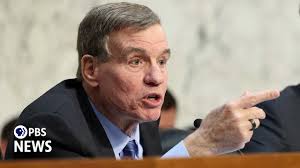
U.S. Democratic Senators have voiced significant concerns regarding the Trump administration's justifications for the ongoing conflict with Iran. Following classified briefings held on March 10, 2026, several lawmakers, including Senators Richard Blumenthal and Elizabeth Warren, indicated that the information provided failed to clarify the war's objectives, rationale, or potential costs.
Senator Blumenthal specifically highlighted a lack of detail concerning the financial and human toll of the conflict, as well as the potential for deploying U.S. forces into Iraq or Iran. Senator Warren drew attention to the substantial military expenditure, reportedly exceeding $5.6 billion within the initial two days of fighting, contrasting it with domestic spending cuts.
Conflict Background and Administration Stance
The conflict with Iran commenced on February 28, 2026. The Trump administration has cited Iran's nuclear program, ballistic missile development, and alleged imminent threats as reasons for military action. However, public evidence supporting these claims has not been extensively presented.
Defense Secretary Pete Hegseth has publicly stated that military operations will persist until the "enemy is totally and decisively defeated." This declaration underscores the administration's firm stance on the conflict's duration and outcome.
Humanitarian and Financial Costs
As of March 10, 2026, the conflict has resulted in a significant number of fatalities across the region. Iran has reported at least 1,255 deaths, with 394 in Lebanon, 13 in Israel, 6 in Iraq, and an additional 14 fatalities recorded across the broader Gulf region. These figures highlight the immediate human cost of the hostilities.
The financial burden of the war has also become a point of contention. The estimated expenditure of over $5.6 billion in the first two days alone suggests a rapid and costly military engagement, raising questions about long-term economic implications.
Congressional Opposition and War Powers
Congressional Democrats, despite holding a minority position, have attempted to introduce war powers resolutions. These legislative efforts aim to limit the President's authority in conducting military operations without explicit congressional approval. However, these initiatives have encountered strong opposition from Republican members of Congress.
The debate over war powers reflects a broader constitutional tension regarding the executive and legislative branches' roles in authorizing military force. The current political landscape suggests continued challenges for Democrats seeking to influence the conflict's direction or duration through legislative means.
Regional Stability and Future Outlook
The ongoing conflict carries significant implications for regional stability in the Middle East. The involvement of multiple nations and the reported casualties underscore the potential for wider escalation. International observers are closely monitoring the situation for any signs of de-escalation or further expansion of hostilities.
Future developments will likely hinge on the administration's willingness to provide more detailed justifications and the effectiveness of congressional oversight efforts. The economic and human costs are expected to remain central to public and political discourse as the conflict progresses.
Implications
Country Impact: The conflict significantly impacts regional stability, particularly in Iran, Iraq, and Lebanon, due to reported fatalities and potential for broader military engagement. Domestic political divisions within the U.S. are also exacerbated.
Industry Impact: Defense industries may see increased demand, while sectors reliant on Middle Eastern stability, such as oil and gas, could face volatility. Global supply chains could also experience disruptions.
Market Impact: Global financial markets are likely to react to geopolitical tensions, potentially leading to increased oil prices and shifts in investor sentiment towards safe-haven assets. Defense stocks may see gains, while broader market indices could face downward pressure.