North Korea Expands Uranium Enrichment for Nuclear Arsenal Growth
North Korea has expanded uranium enrichment at Yongbyon and Kangson, significantly increasing weapons-grade material production in violation of UN resolutions.
Lauren Collins ·
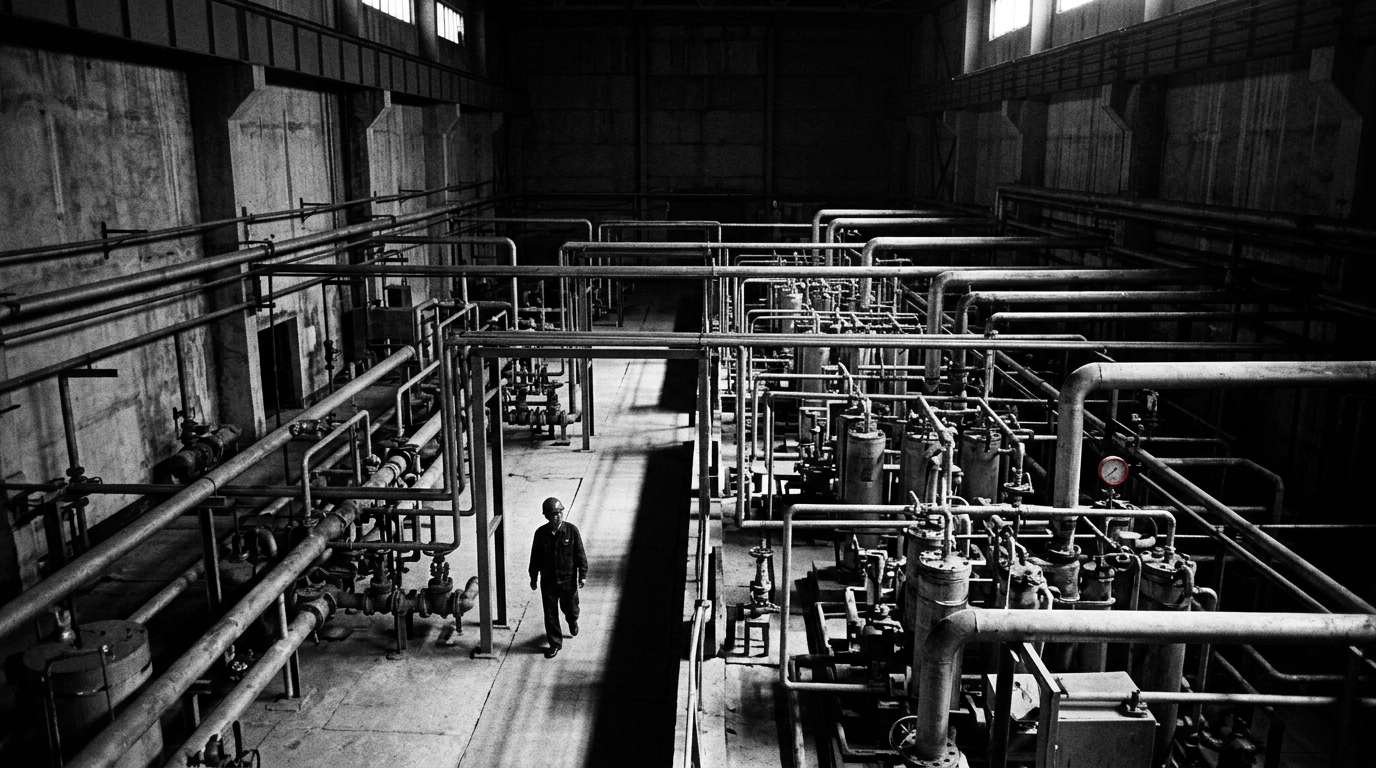
North Korea completed a new uranium enrichment facility at the Yongbyon nuclear complex, significantly increasing its capacity to produce weapons-grade nuclear material. Analysis of satellite imagery and state media indicates the facility can house up to 28 centrifuge cascades.
Operations have also expanded at the Kangson enrichment site near Pyongyang. Estimates suggest the combined infrastructure could yield approximately 85 kilograms of highly enriched uranium annually, sufficient for three to four additional nuclear warheads per year, according to a 2025 analysis by the James Martin Center for Nonproliferation Studies.
International Concerns Mount Over Violations
International monitors formally expressed concern regarding these developments, citing clear violations of existing United Nations Security Council resolutions. The expansion aligns with North Korea's stated national objectives to exponentially increase nuclear forces and achieve recognition as a legitimate nuclear state.
South Korea's defense minister, Ahn Gyu-back, stated in August that the North possesses between 80 and 120 nuclear warheads, a figure he attributed to estimates by private research organizations. This infrastructure growth complicates regional security dynamics and underscores the ongoing failure of international efforts to curb the country's nuclear proliferation activities.
Future Proliferation Path
If North Korea continues its current trajectory of If North Korea continues its current trajectory of nuclear material production and weaponization, global security could face increased instability in East Asia, potentially leading to a regional arms race. For the specific company, which is the state itself, enhanced production capability reduces reliance on external sources and solidifies its nuclear deterrent posture. The wider defense and non-proliferation industries will likely see renewed diplomatic efforts and potentially increased defense spending among neighboring states.
However, if international pressure intensifies, potentially through tighter sanctions or diplomatic engagement, the pace of expansion could slow. This alternative path might constrain North Korea's ability to rapidly add to its arsenal, impacting the global non-proliferation regime positively, while the state itself might face internal economic strain from prolonged isolation.