North Korea-Russia ties reaffirmed on Liberation Day
North Korea-Russia ties were reaffirmed on August 15 as Pyongyang also claimed additional troops were sent to Russia, officials said; details unverified.
Mateo Fernandez ·
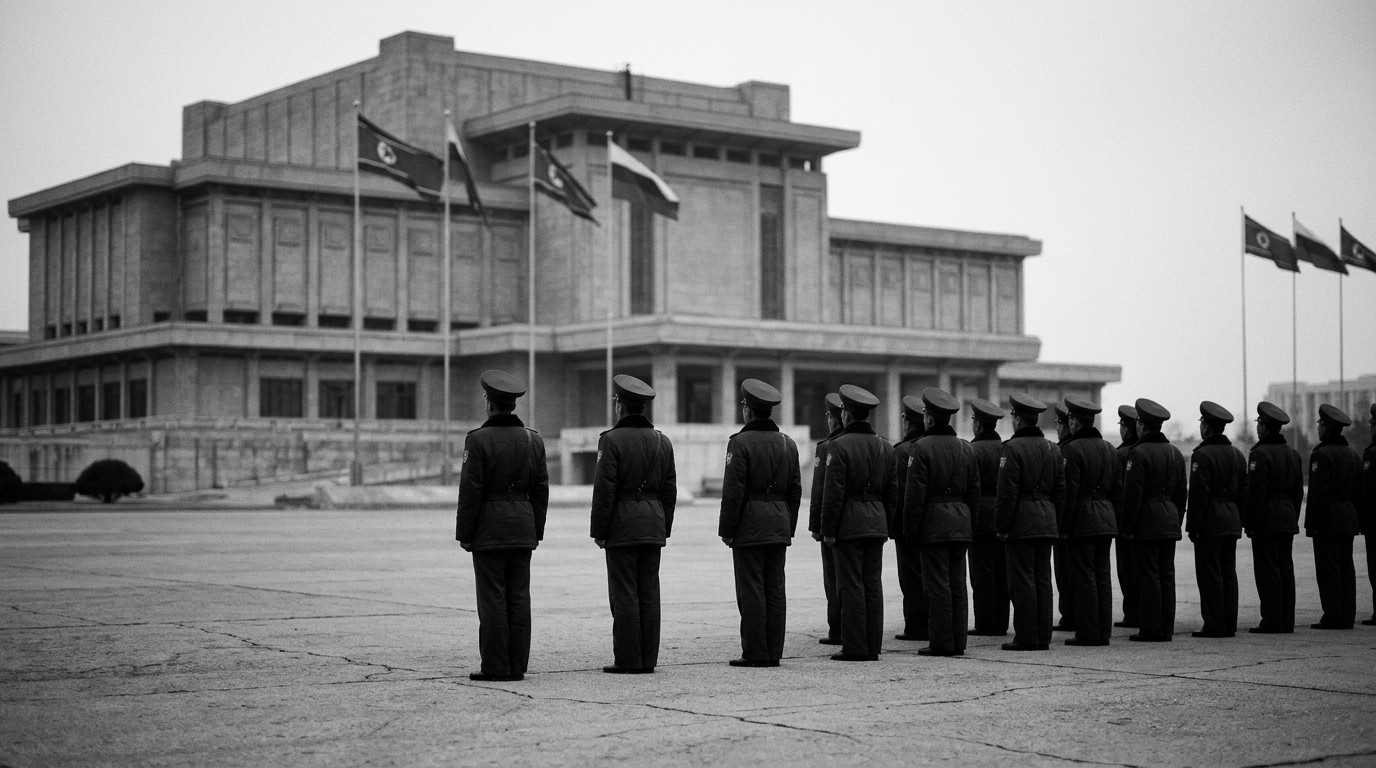
North Korea and Russia publicly underscored their bilateral relationship on August 15, the day observed as Korean Liberation Day, while Pyongyang also said it had sent additional troops to Russia, officials said.
Officials described the timing as deliberate, with the symbolic holiday giving added weight to what was presented as an explicit reaffirmation of ties rather than a routine diplomatic message. The material available for this brief did not include independent figures, a timeline, or operational details related to any reported troop movement, officials said.
Kim Jong Un message highlights “precious traditions of
Kim Jong Un message highlights “precious traditions of friendship” Officials said state media quoted North Korean leader Officials said state media quoted North Korean leader Kim Jong Un as framing the relationship as grounded in shared history and oriented toward the future. In the same account, Kim was quoted as saying the two countries had “carried forward the history of common struggle for justice and precious traditions of friendship,” officials said. Officials said the Liberation Day message and the broader public signal were treated in the brief as a fresh indication of diplomatic alignment between Pyongyang and Moscow. The material did not include any official statement from Moscow, officials said. Claim of additional troops remains unverified in the brief The brief flagged verification gaps around the reported troop commitment. Officials said the account was single-sourced and did not provide verifiable troop numbers or deployment specifics that would allow outside parties to assess the scope or purpose of any additional personnel presence. Officials also said the brief contained no corroboration from third-party governments or international monitors at the time of writing. With no such confirmations included, the status, scale, and intent of the reported move remain unclear based on the information provided, officials said. Regional capitals expected to scrutinize responses over 72 hours Officials said policymakers in Seoul, Tokyo, and Washington are likely to treat the development as both a diplomatic and security risk requiring close attention. The brief said next steps are expected to be primarily diplomatic, focusing on whether neighboring capitals and international bodies acknowledge, contest, or confirm the claim. Officials said attention is expected to center on Officials said attention is expected to center on formal responses or confirmations within the next 72 hours. The brief added that these statements would be a clearer indicator of whether the episode leads toward escalation or containment in regional diplomacy.
The brief also noted that how external actors respond may shape how the announcement is interpreted regionally. It said that sustained transfers could complicate regional security calculations, while a limited or symbolic move would be less likely to change immediate military balances.