Israeli strikes in south Lebanon kill at least seven
Israeli strikes in south Lebanon reportedly killed at least seven overnight, ending a two-month lull, with no primary statements provided.
Claire Dubois ·
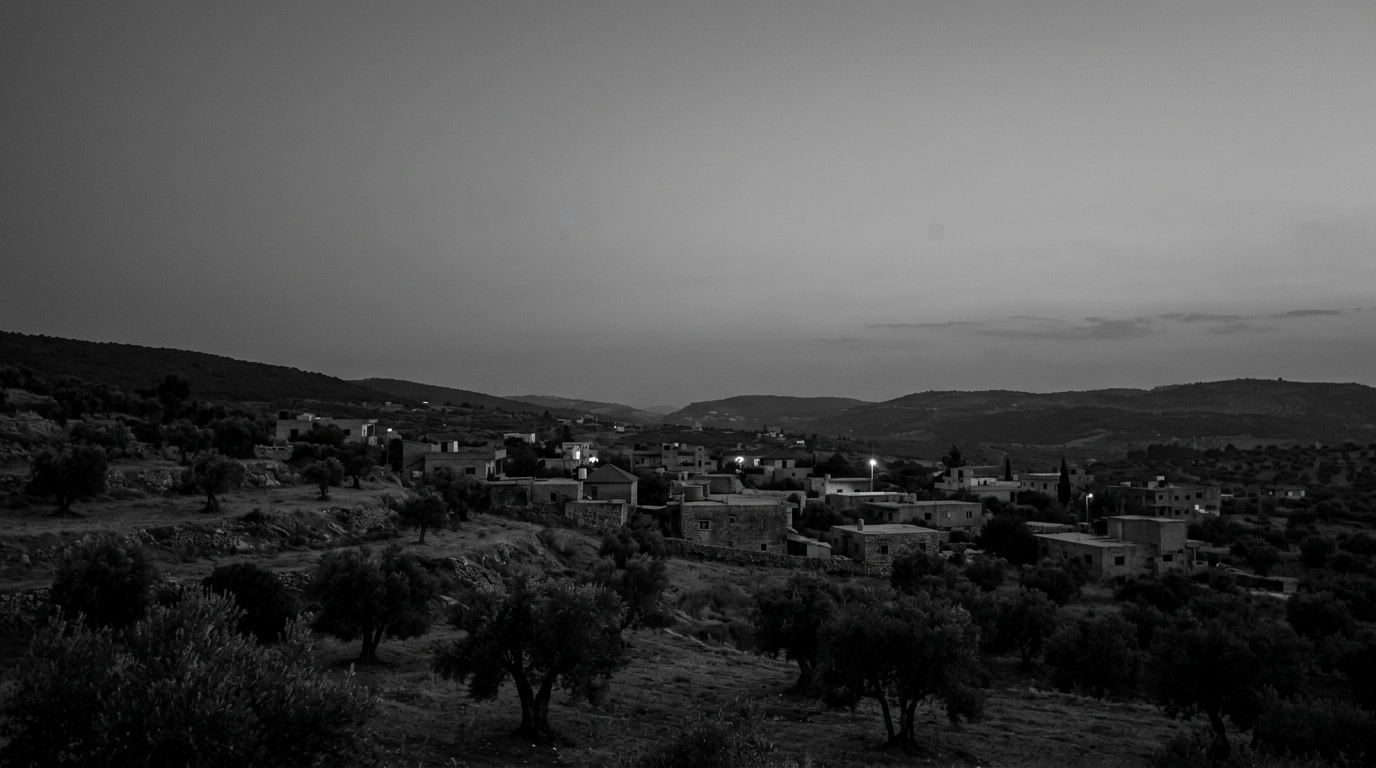
Overnight Israeli strikes in southern Lebanon killed at least seven people in one village, according to a televised report that described the episode as the most lethal escalation since fighting eased about two months ago.
A correspondent reporting from Beirut said the attacks amounted to an escalation despite what she called a “so-called truce.” The report did not include statements from the Israeli government, Lebanese authorities, the United Nations Interim Force in Lebanon (UNIFIL), or the Lebanese health ministry.
What is known from the televised report
The televised account said at least seven people were killed in a single village in south Lebanon during overnight strikes. It portrayed the strikes as ending a roughly two-month lull in fighting, and framed the incident as a significant step-up in intensity compared with recent weeks.
Beyond the casualty figure and the characterization of a renewed escalation, the segment summary provided no detail on the specific location beyond “one village,” the identity of those killed, or the targets involved. It also did not provide an official explanation for the strikes or an assessment of whether the operation was consistent with any understandings governing the lull.
Limits on attribution and verification
The source material explicitly notes gaps: it is a single secondary TV segment summary without primary statements from relevant authorities. In practical terms, that means the casualty count and the description of a two-month lull ending cannot be independently validated from the information provided.
Overnight Israeli
The material also sets out what would improve verifiability: a public statement or incident report from a primary authority, such as UNIFIL, the Lebanese government, or the Israeli government, that confirms the toll and describes whether the strikes fell outside the terms of the lull.
Euro area policy channels mentioned in the source
The source cautions against forcing a euro-area policy framing from the limited facts available. It notes that the euro area’s core conflict-management and defense tools sit with national governments and European Union institutions, rather than the European Central Bank (ECB).
It adds that the ECB’s remit is price stability, guided by euro-area inflation data such as the Harmonised Index of Consumer Prices (HICP), and that it does not set foreign policy. The material says that when markets price geopolitical risk into European assets, the relevant channels typically run through national fiscal decisions and EU-level coordination, while the ECB’s bond tools are designed for monetary-policy transmission rather than underwriting war-related spending.