Iran Controls Hormuz Passage After US Cease-fire
Iran controls Hormuz passage after a US cease-fire, selectively allowing ships and floating a $2 million fee idea as allies debate free navigation.
Lauren Collins ·
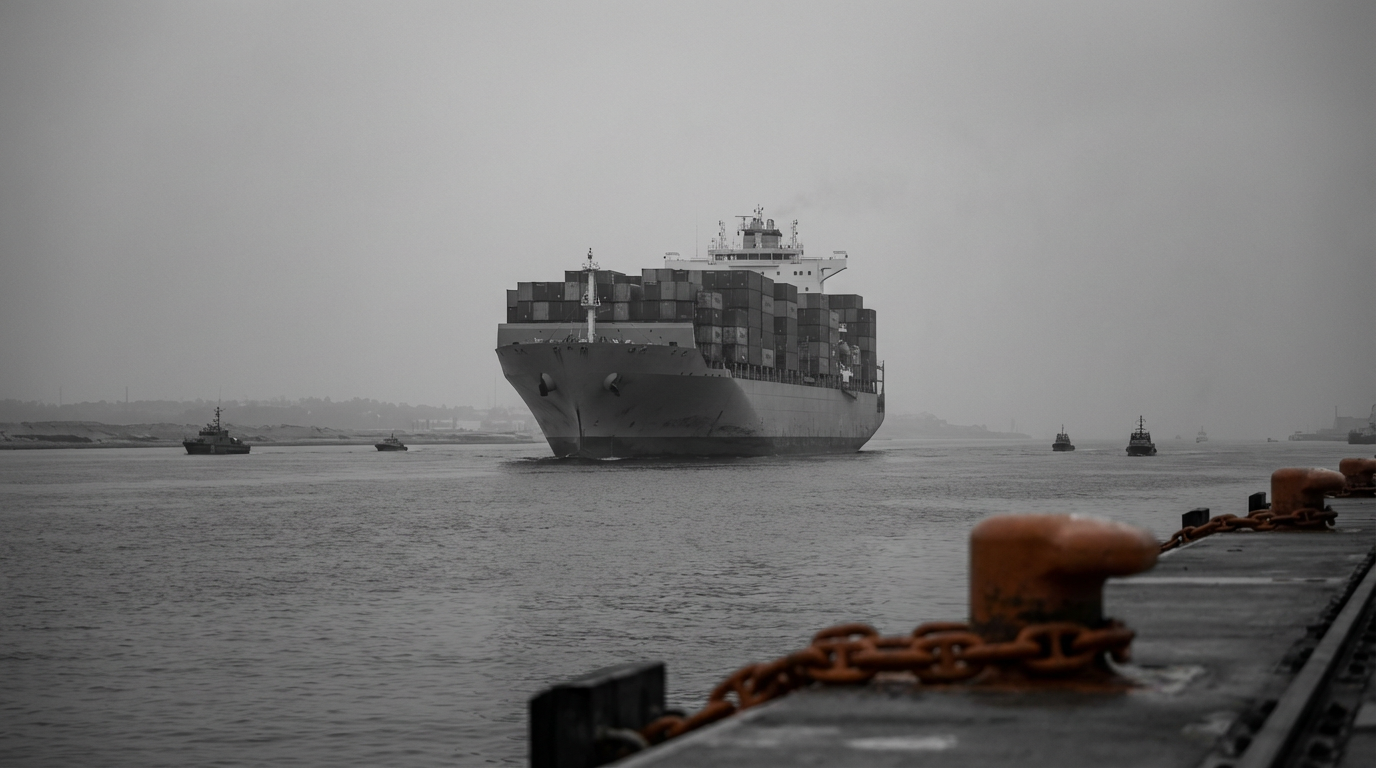
Iran has kept tight influence over traffic through the Strait of Hormuz in the period following a cease-fire with the United States, according to the account provided. Access has been managed selectively, with priority given to ships linked to countries that trade with Iran or have maintained a neutral posture toward Tehran.
The approach has created diplomatic complications for governments and companies that depend on the strait for commercial shipping. The situation has required some countries to weigh their ties with Washington against the practical need to keep maritime routes open under conditions shaped by Iranian decisions.
Since the cease-fire, passage has been described as limited and negotiated rather than routine. On Wednesday, only five cargo ships were reported to have transited, and none of those vessels carried oil or gas. The account says the pattern of approvals has been observed among ships connected to countries including France, Turkey, Pakistan, and India, which either have direct trade links with Iran or have avoided a hostile stance toward the Iranian government.
One example cited was a vessel owned by a French shipping company that was described as among the first Western European-owned ships to pass after the cease-fire. This transit followed French criticism of U.S. policy, according to the same account, highlighting how political positioning can intersect with operational access for commercial fleets.
Iranian officials have indicated they are open to arranging passage on a case-by-case basis. The account also references suggestions that fees could be attached to approvals, including a figure of $2 million per passage, with the stated purpose of supporting infrastructure rebuilding. No broader framework for how such payments would be assessed or enforced was detailed in the source material.
On the U.S. side, options under consideration have included the idea of joint control of the strait, according to the account. At the same time, allies have pushed back on the concept of tolls, with Britain cited as rejecting fees and emphasizing the principle of free navigation. International efforts to uphold freedom of navigation were also referenced, even as the account described Iran as retaining leverage over the route.
European countries were described as facing particular pressure because of their dependence on Persian Gulf energy. The account frames the current environment as one in which governments and market participants must seek predictable access while managing relationships with both the United States and Iran, amid uncertainty over how long selective passage policies may persist.