UK Actors Push Voice Ownership Laws Amid AI Cloning Concerns
Around 80 UK actors are campaigning for new legislation to protect individual voices from unauthorized AI cloning, citing fraud risks and inadequate current…
Lauren Collins ·
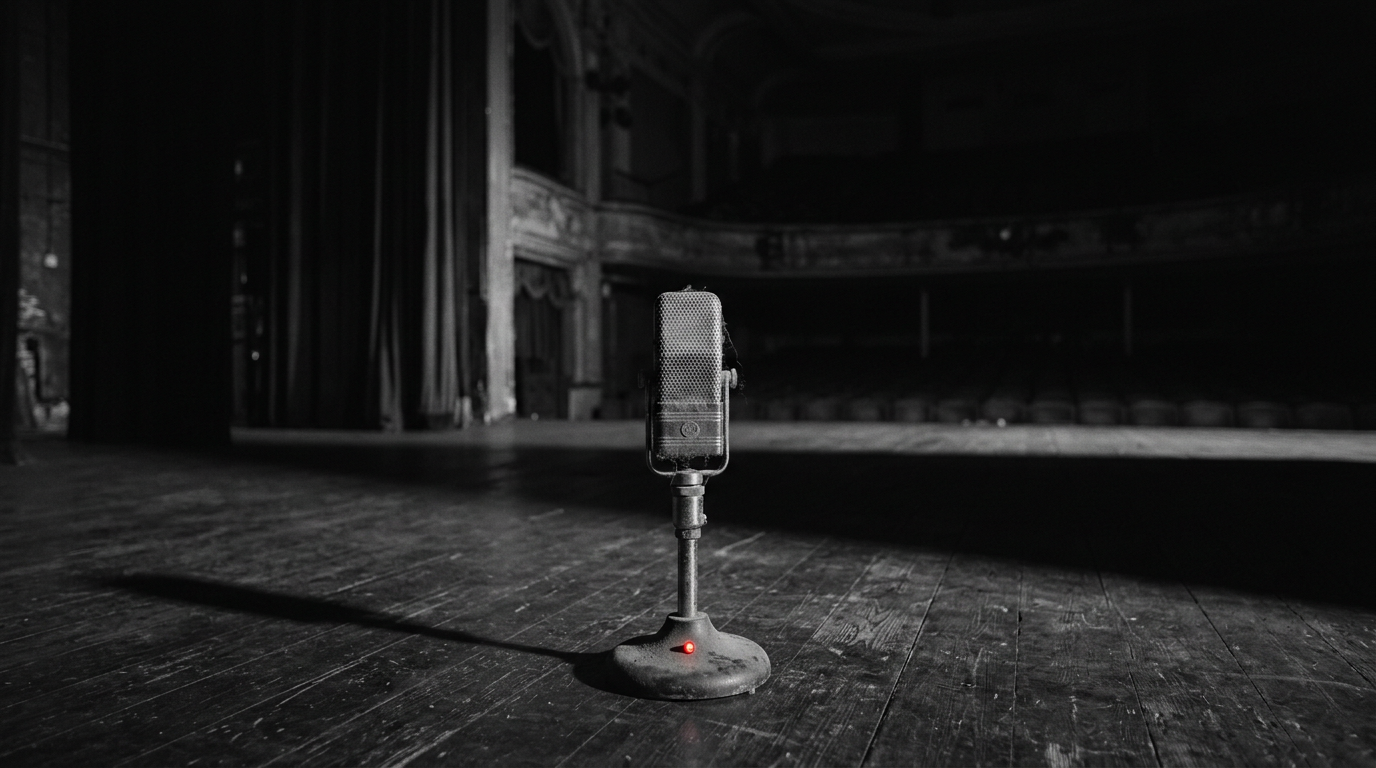
A group of approximately 80 actors in the United Kingdom, including prominent figures like Nicola Coughlan, Hugh Bonneville, and Matt Lucas, has launched a significant campaign to advocate for legal protections against the unauthorized use of artificial intelligence for voice cloning. This initiative, operating under the banner "Save Our Voices Now," seeks to establish legal ownership of individual voices as a statutory right.
The campaign presented an open letter to government officials and initiated a public petition this week, highlighting a growing disparity between the rapid advancements in generative AI technologies and the existing intellectual property frameworks. The actors argue that current regulations are insufficient to prevent the non-consensual replication of vocal identities, which AI tools can synthesize in as little as three seconds.
Urgency of Legislative Action
The proponents of this new legislation point to data indicating that 28 percent of UK adults have already been targeted by voice-cloning scams. This statistic underscores both the professional risks for performers and the broader security threats posed to the general public. Campaign officials stated that the lack of proper regulation allows AI companies to generate profit from artists' voices without their explicit consent.
The group asserts that without immediate government intervention, the commercial exploitation of human likenesses and the proliferation of identity-based fraud will continue to outpace the existing legal safeguards. This concern reflects a broader debate on intellectual property rights in the age of advanced digital reproduction technologies.
Denmark's Biometric Model as Precedent
The proposed reforms draw inspiration from recent legislative changes implemented in Denmark. In that country, citizens have been granted explicit legal rights over their biometric data, which includes the ability to demand the removal of unauthorized AI-generated content and to seek financial compensation for its misuse. The UK campaign sees this model as a potential blueprint for protecting voice ownership.
The actors emphasize that urgent action is necessary to address the profound ethical and financial implications of AI voice cloning. They argue that safeguarding individual voice ownership is a critical step not only for protecting the rights of artists but also for preventing widespread fraud in an increasingly digital landscape. The campaign's efforts reflect a growing global push to regulate AI's impact on personal identity and creative works.
Broader Implications for Digital Rights
This movement in the UK is part of a larger international discourse on how legal frameworks must adapt to the challenges presented by artificial intelligence. The ability of AI to mimic human attributes, particularly voices, creates new dilemmas for copyright, privacy, and personal autonomy. The outcomes of this campaign could set precedents for how other forms of biometric data and artistic expressions are protected from AI exploitation globally.
The campaign aims to ensure that individuals retain control over their unique vocal identities, thereby protecting their professional livelihoods and mitigating risks associated with fraudulent activities enabled by sophisticated AI technologies. The call for government action highlights the need for policies that can keep pace with technological innovation while upholding fundamental rights.