New York City Bolsters Cooling Tower Safety Regulations
New York City introduces stricter cooling tower regulations, including increased funding and testing, following multiple Legionnaires' disease outbreaks.
Lauren Collins ·
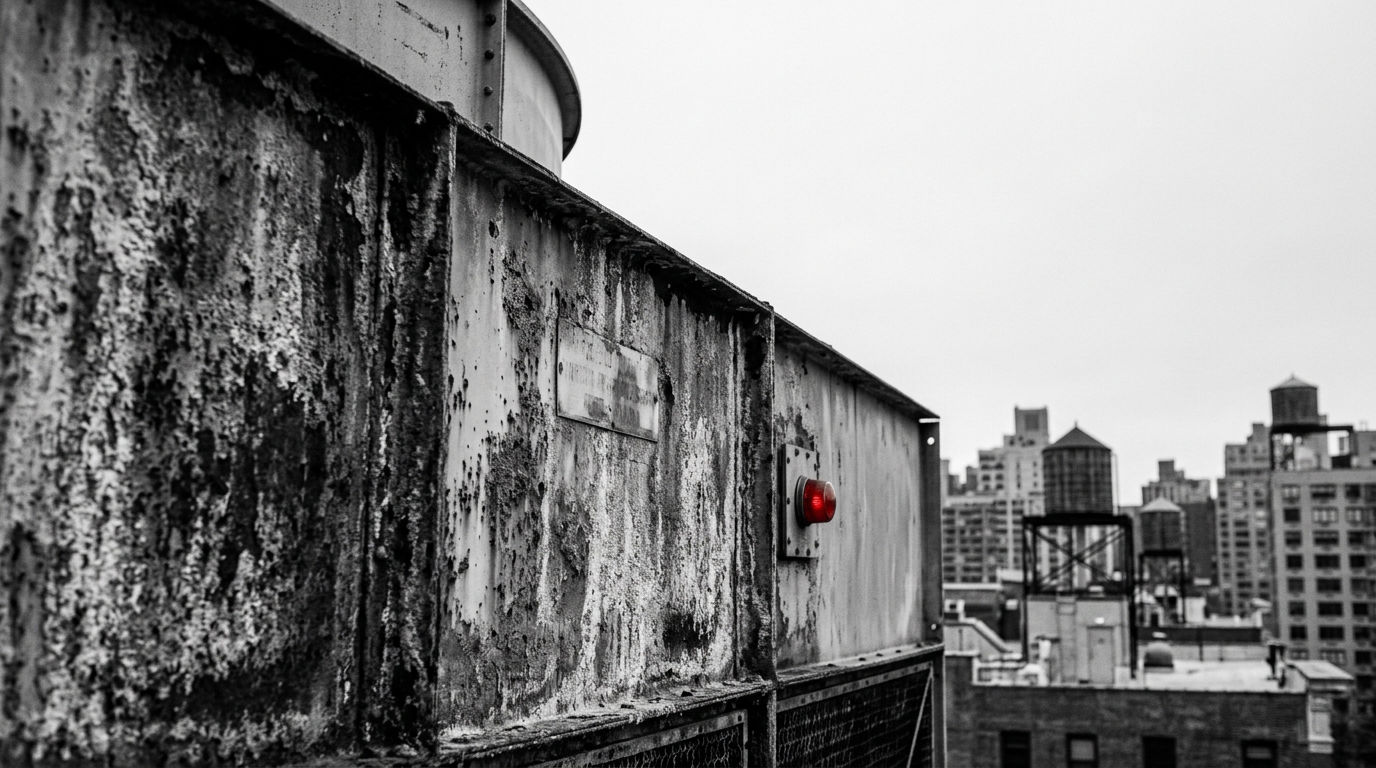
New York City officials have implemented significant new regulations for cooling towers, aiming to enhance oversight and inspection protocols. These measures come in direct response to a series of Legionnaires' disease outbreaks that impacted communities in areas such as Harlem and the Upper East Side. The new legislative framework mandates more stringent maintenance schedules and significantly increases staffing dedicated to environmental health monitoring.
Legionella bacteria, the causative agent of Legionnaires' disease, thrives in inadequately maintained cooling systems. When these bacteria become aerosolized, they can spread through urban air currents. Recent city data highlighted the urgency of the regulatory overhaul, revealing that 59 of 180 sampled cooling towers in affected districts tested positive for the pathogen.
Enhanced Funding and Testing Protocols
To support these intensified efforts, the city has allocated $13 million for the fiscal year 2027. This funding is specifically designated for the hiring of 23 water ecologists and the establishment of a mandatory 31-day testing cycle for operational cooling towers. This new requirement is described as the most stringent of its kind across the United States.
Alongside these city-level initiatives, state legislative adjustments have significantly increased penalties for non-compliance. Fines for violations that result in illness or death have been raised to $12,500, marking an increase from the previous $10,000. Experts suggest that these stricter penalties and enhanced controls are crucial for mitigating risks, particularly as rising global temperatures may increase reliance on air conditioning, creating optimal conditions for bacterial proliferation.
Public Health Incidents and Fiscal Outlook
The urgency of these regulatory changes is underscored by recent health crises. The city's health department reported 92 cases of Legionnaires' disease, 79 hospitalizations, and seven fatalities in the Upper East Side during one outbreak. Separately, in August 2025, an outbreak in Harlem resulted in seven deaths and over 100 illnesses. These events prompted four lawsuits against the city, its health system, and maintenance contractors by affected individuals and their families.
While public health advocates generally commend the updated regulations, concerns persist regarding their long-term sustainability. The city faces a projected budget gap of $8.8 billion for fiscal year 2028, which could complicate the consistent enforcement of expanded inspection mandates. Sustaining the broadened inspection regimen and maintaining adequate staff levels will be critical for preventing future outbreaks and safeguarding public health amidst potential future fiscal pressures.
Understanding Legionnaires' Disease
Legionnaires' disease is a severe form of pneumonia caused by Legionella bacteria. The disease was first identified in 1976 following an outbreak at an American Legion convention in Philadelphia, leading to its distinctive name. Outbreaks typically occur when the bacteria, commonly found in water systems, spread through mist or vapor from sources like cooling towers, hot tubs, and decorative fountains. Individuals who are elderly, smokers, or have compromised immune systems are particularly vulnerable. Effective control measures, including regular disinfection and maintenance of water systems, are essential for preventing the proliferation of Legionella and protecting public health.