Indiana Flood Recovery Stalls Amid Aid Delays
Indiana's flood recovery efforts are hampered by federal aid delays and state funding gaps after severe August storms displaced over 1,000 residents and…
Lauren Collins ·
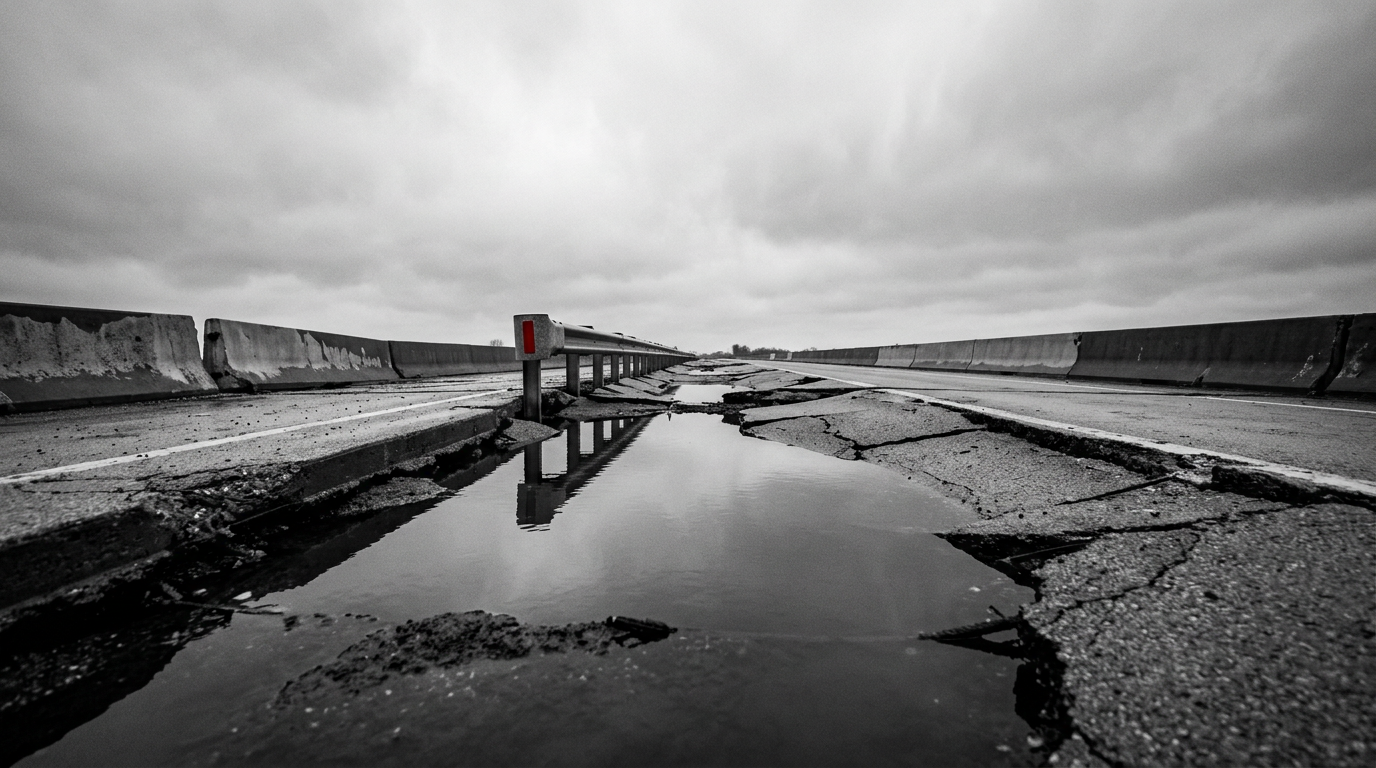
Recovery operations in Indiana are significantly stalled following severe flooding in mid-August that led to the displacement of more than 1,000 residents and seven fatalities. The disaster, triggered by a derecho storm and record rainfall, caused widespread destruction, including critical infrastructure such as sections of Interstate-70. Local municipalities are struggling to manage the aftermath amid substantial funding deficits at both federal and state levels, leaving communities vulnerable.
The crisis began on August 11, when torrential rains, reaching up to 10 inches in some areas, overwhelmed drainage systems across the state. This natural event instigated extensive property damage and a humanitarian crisis for thousands of affected individuals. The prolonged recovery period is exacerbating the challenges faced by residents and local authorities.
Federal Assistance Awaits Approval
A formal disaster declaration, submitted by Governor Mike Braun to the Federal Emergency Management Agency (FEMA) on August 21, remains unapproved. This delay is impeding the flow of potentially millions of dollars in federal support that is crucial for flood victims and affected communities. Without this federal intervention, many local repair and rebuilding projects cannot proceed.
FEMA has reportedly faced criticism under the current administration regarding its processing times and its decisions to decline numerous disaster declarations. This creates an additional hurdle for states seeking urgent assistance after severe weather events, further complicating Indiana's recovery efforts. The unapproved declaration means affected residents cannot access individual assistance programs or public assistance for infrastructure repair.
State Funding Shortfalls Highlight Vulnerability
The challenges stemming from federal delays are exacerbated by reductions in Indiana's state-level environmental funding. Between 2010 and 2024, state funding for environmental agencies decreased by 19 percent. In contrast, neighboring states such as Ohio and Michigan increased their environmental resource allocations by 19 percent and 78 percent, respectively, during the same period, indicating differing priorities in regional environmental resilience.
Indiana's disaster relief fund, which stood at only $2 million before the recent floods, currently holds $5 million. This figure is significantly short of the estimated $5 billion economic impact of the disaster. This substantial financial gap leaves many low-income residents in high-risk zones without the necessary means to repair or replace their damaged properties, as they often lack sufficient insurance coverage, deepening the socio-economic impact.
Community Impact and Future Risks
In Cambridge City alone, approximately 250 homes, representing one-third of the town's total housing stock, sustained damage from floodwaters. This widespread destruction highlights the vulnerability of regional infrastructure and housing. Without a comprehensive state climate action plan, Indiana's long-term mitigation strategies face complications, leaving the state susceptible to future extreme weather events.
These events are projected to become more frequent and severe, potentially causing further damage and displacement. The absence of proactive planning and adequate funding could lead to recurring crises, impacting the state's economic stability and the well-being of its residents.