Russian command orders operational plans for northern offensive
Ukrainian intelligence indicates Russia is planning new ground offensives targeting Kyiv and Chernihiv, amidst increased drone attacks and mobilization tests.
Claire Dubois ·
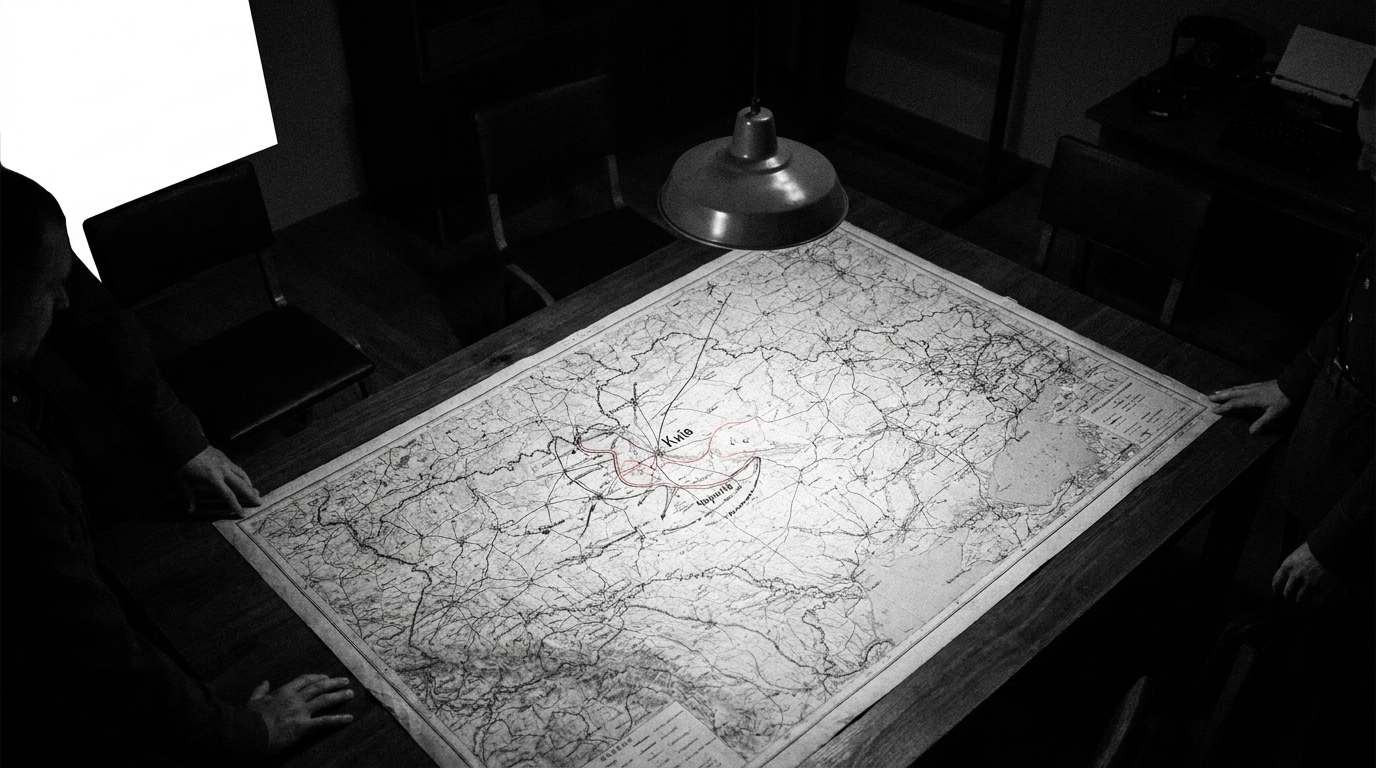
Ukrainian military intelligence has uncovered reports indicating that Russian military commanders have been instructed to draft operational plans for potential new ground offensives targeting Kyiv and Chernihiv, even as urban centers face intensified drone bombardments. While defense officials confirm there is currently no evidence of an immediate mass troop concentration along the northern border, the directive signals strategic preparations for potential future multi-axis assault strategies.
The operational planning coincides with a sustained campaign of uncrewed aerial vehicle (UAV) attacks across Ukrainian cities, reflecting an evolving tactical approach aimed at exhausting air defense networks. In response to these persistent aerial strikes, defense strategists in Kyiv are prioritizing the rapid acceleration of domestic interceptor production to bolster the country's defensive shield and safeguard critical energy and civilian infrastructure.
Russian Mobilization Testing and Force Attrition
Intelligence assessments further indicate that Moscow is actively evaluating its military mobilization capacities to replace significant personnel losses suffered in ongoing high-attrition engagements. These testing measures suggest an effort to ensure a steady supply of combat-ready reserves and logistics support necessary for sustained operational pressure without triggering severe internal economic friction.
International observers and military analysts regard the upcoming six-month period as a critical inflection point that could dictate the long-term trajectory of the conflict. The prospect of a renewed northern threat raises concerns that Ukrainian command might be forced to divert vital forces and air defense assets away from intense eastern battlelines, potentially straining defensive coverage and disrupting fragile economic normalization in major population centers.
NATO Coordination and Regional Security Measures
The potential for operational escalation along Ukraine's northern border has prompted heightened concern among neighboring NATO states. Leaders in Poland, situated on the alliance's frontline, have underscored the urgent necessity of providing Ukraine with expanded air defense support to counter the ongoing escalation of aerial attacks and maintain regional stability.
Diplomatic Warnings and Air Defense Integration
In response to the evolving threat environment, high-level diplomatic channels within NATO have actively engaged to communicate clear warnings intended to deter further military expansion that could spill over into alliance territory. Officials emphasize that the coming months will demand enhanced vigilance, with Western defense networks closely monitoring force deployments to support rapid military reallocations should northern contingency plans translate into actual troop movements.