

CIA Director Warns Moscow on Baltic States Attack
CIA Director John Ratcliffe reportedly made an unannounced visit to Moscow, delivering a warning against any Russian aggression towards the Baltic states…
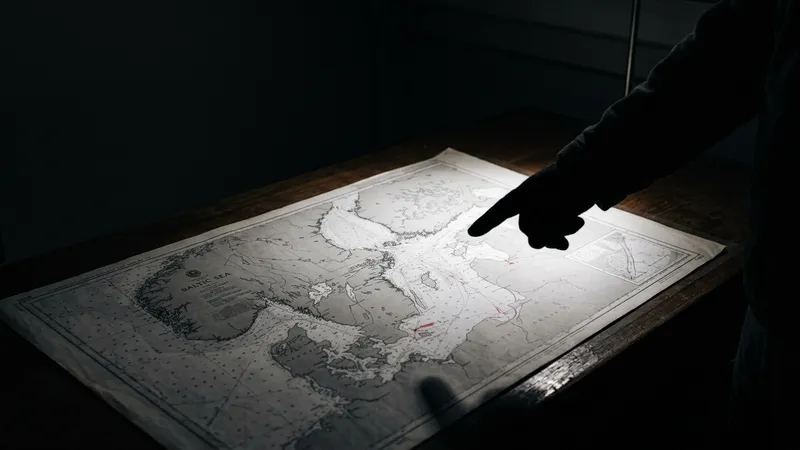
CIA Director John Ratcliffe reportedly undertook an unannounced visit to Moscow to deliver a direct warning to Russian officials regarding potential aggression against the Baltic states. This development places NATO's eastern flank at the forefront of geopolitical risk considerations, according to an individual familiar with the details of the matter.
The reported message holds significant weight because Estonia, Latvia, and Lithuania are all member states of the North Atlantic Treaty Organization. Any direct military action against these nations would directly challenge the alliance's fundamental collective-defense commitments under Article 5, potentially escalating a regional conflict into a broader confrontation.
Geopolitical Context and Deterrence
The Baltic states share borders with Russia or its close ally Belarus, positioning them as among NATO's most vulnerable members, particularly since the expansion of Russia's conflict in Ukraine. A direct Russian move into any of these three countries would transform the current regional conflict into a direct clash involving the entire NATO alliance, triggering immediate and profound consequences for European defense strategies and global risk assessments.
From Washington's perspective, this private warning serves as a mechanism for deterrence. It signals that United States intelligence agencies are closely monitoring Russian military planning and that any operation against the Baltic states would incur significant costs beyond the immediate battlefield. The objective is to convey that such actions would have severe repercussions.
NATO's Enhanced Posture and Future Signals
For NATO as a whole, the reported message reinforces the ongoing necessity to maintain robust deployments of troops, air defense systems, and surveillance assets strategically positioned along its eastern flank. This continuous alignment is crucial for demonstrating the alliance's resolve and readiness to defend its territory and members.
No public statements or readouts from either the CIA or Moscow have been provided regarding this reported meeting. This absence leaves several aspects unclear, including the precise timing of the visit, the specific nature of Russia's response, and the exact phrasing of the warning delivered by Director Ratcliffe.
The situation's next critical phase will involve monitoring whether officials from the U.S., NATO, or Russia issue any public clarifications by August 28, 2026. Should this warning be followed by visible alterations in military force postures, global markets might adjust by pricing in a higher level of geopolitical risk. Conversely, if no further public signals emerge, the incident may remain a private channel of deterrence rather than evolving into a public escalation.
Historical Precedents and Strategic Importance
The strategic importance of the Baltic states has been underscored repeatedly throughout history, particularly in the context of East-West relations. Their geographical position has historically made them a flashpoint, and their integration into NATO was a significant post-Cold War development aimed at securing their sovereignty and integrating them into the Western security architecture.
The ongoing conflict in Ukraine has intensified concerns among NATO members, especially those on the eastern front, about potential Russian expansionism. The alliance has responded by increasing its military presence in these regions, conducting joint exercises, and bolstering its rapid response capabilities to enhance deterrence and collective defense readiness. This reported warning aligns with these broader efforts to project strength and commitment.
More stories
- Russian strikes hit Ukraine plants after Trump ceasefire statement
- Saudi flights divert after Dammam airport targeted
- US said to threaten Ukraine weapons, intelligence aid
- Riyadh airport hit again as Trump weighs US role
- Houthis hit Riyadh airport after 12 killed
- Yemen Cabinet backs Houthi terrorist label after 12 deaths
- Netanyahu Evokes Altalena Amidst Unity Discourse
- North Korea Warns of 'Strong' Response to US Missile Deal
- Trump Administration Escalates Iran Economic Pressure Campaign
- Iran Warns New Sanctions Support Considered 'Act of War'