New GOP spending hits House races in once-safe seats late
GOP spending has expanded into at least 39 House races as Republicans defend a 218-214 majority ahead of the November 3 election.
Lauren Collins ·
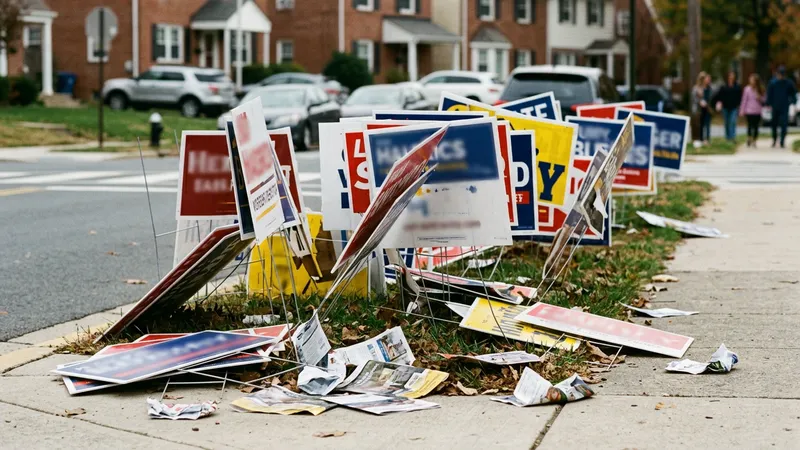
GOP spending is moving into at least 39 House races once treated as safer ground, reflecting Republican concern over a narrow majority.
Thirty-nine races get cash
Since September 1, major Republican groups and donors have begun putting money into races where they had not previously spent this cycle. The shift appears in advertising reservations and campaign finance filings covering some of the largest Republican political organizations.
Three Republican operatives familiar with party thinking said internal polling identified potential weakness in districts that public surveys still show leaning Republican. House Republican leaders recently warned dozens of campaigns that internal data showed they could not assume victory, according to two people familiar with those conversations.
Republicans hold a 218-214 House majority, with one independent caucusing with them and two seats vacant. Democrats need a net gain of at least four seats to take control of the chamber next year, making late movement in Republican-held districts central to the balance of power.
Trump-won districts draw reserves
Representative Bryan Steil of Wisconsin is one example of the new spending pattern. His district backed President Trump by about 4.5 percentage points in 2024 and is rated lean Republican by Cook Political Report, but conservative super PACs put $1.5 million into the race this month as their first investment there this cycle.
In North Carolina's 3rd Congressional District, Representative Gregory Murphy received $131,107 from a conservative PAC this month, the first outside spending on his behalf in the midterms. Democrats have spent more than $326,000 since July in the district, which President Trump won by 14 percentage points and Cook rates solid Republican.
In south Texas, Republican groups have spent about $2 million since September 5 on text messages, direct mail and digital ads supporting Representative Monica De La Cruz. President Trump carried her district by 18 percentage points in 2024, while Cook moved the seat on Friday from lean Republican to tossup.
Costs complicate red-state races
The party's late defense is arriving as Republican operatives cite economic strain in traditionally friendly territory. Rising gasoline, energy and fertilizer costs are weighing on agricultural areas, and one Republican House campaign aide described the environment in Iowa, Kansas and other Midwest states as "dire" as diesel prices rise.
Republican strategist Ron Bonjean, a partner at Rokk Solutions, said, "Republicans are playing defense in some of the strongholds that they're used to not having to worry about." Kevin Madden, a senior partner at Penta Group and a former adviser to Mitt Romney, said campaigns were acting as if they were behind, "even in red districts or traditionally safe" ones.
Ad money widens Republican edge
Independent committees have spent more than $1.56 billion on federal elections so far, including roughly $496 million since Labor Day, according to campaign finance data cited in the spending review. That total does not include all spending by nonprofit groups that are not required to disclose donors.
Republicans have reserved at least $888 million in advertising over the coming weeks, compared with at least $666 million for Democrats, according to AdImpact. Federal Election Commission records show No Going Back PAC, funded by President Trump's super PAC MAGA Inc., leading the Republican surge.
Over the three weeks through Friday, Republican-leaning super PACs spent roughly $309.7 million since Labor Day, compared with $174.2 million to support Democratic candidates, Federal Election Commission data showed. The nearly 2-to-1 gap gives Republican campaigns more capacity to define races before Democratic challengers can answer at the same scale.
House control sets stakes
If Republican spending holds vulnerable seats, the macro effect would run through fiscal policy: President Trump would have more House support for tax, spending and oversight priorities. For Republican incumbents, it would turn the cash advantage into a defensive buffer; for political advertising firms, it would keep late-cycle demand high in districts previously outside the paid-media battlefield.
If Democratic challengers break through despite the spending gap, their path to the four-seat net gain would widen and a Democratic House next year could change the fiscal-policy terms facing investors and global allies. The open questions are whether internal polling is detecting a durable voter shift, whether cost pressures persist into November 3, and how much late money can still change turnout.