Netanyahu Warns Iran's New Leader Amid Strikes
Israeli PM Netanyahu warned Iran's new leader Mojtaba Khamenei on March 12, 2026, amid joint Israel-U.S. strikes targeting Iran's military capabilities.
Lauren Collins ·
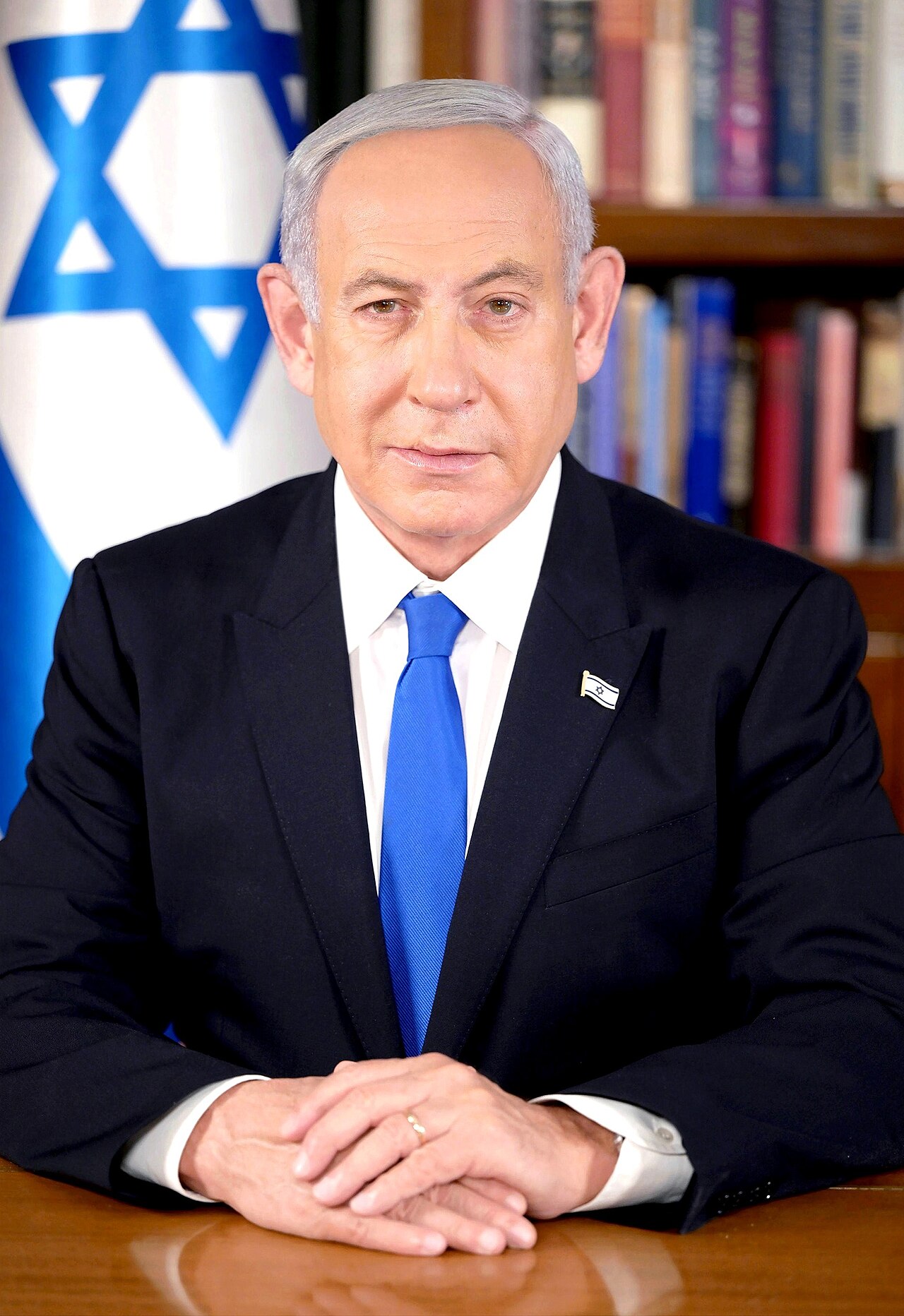
Israeli Prime Minister Benjamin Netanyahu issued a direct warning to Iran's newly appointed Supreme Leader, Mojtaba Khamenei, on Thursday, March 12, 2026. The statement, delivered during a Jerusalem press conference, occurred as Israel and the United States continued a joint aerial military campaign against Iranian targets. This offensive, initiated nearly two weeks prior, aims to dismantle Iran's nuclear and ballistic missile capabilities.
Netanyahu acknowledged that the ongoing military operations might not immediately lead to the collapse of Iran's clerical government. However, he emphasized that significant damage had been inflicted upon the Islamic Revolutionary Guard Corps and the Basij paramilitary forces. The Prime Minister also reiterated Israel's commitment to sustained strikes against Hezbollah in Lebanon.
Escalating Regional Tensions
Hezbollah commenced attacks on March 2, reportedly in retaliation for Israel's killing of Ali Khamenei, Mojtaba Khamenei's father, at the onset of the broader conflict. When pressed on potential actions against Mojtaba Khamenei and Hezbollah leader Naim Qassem, Netanyahu responded, "I wouldn't issue life insurance policies on any of the leaders of the terrorist organization." This statement underscored the heightened tensions and the direct targeting of leadership figures.
During Netanyahu's address, air raid sirens activated across central Israel, signaling incoming missile fire from Iran. This immediate threat highlighted the active and reciprocal nature of the conflict. Israel's broader strategic goals include not only the neutralization of Iran's military programs but also fostering conditions that could lead to a change in the Iranian government.
Internal Iranian Dynamics
Despite the intense military pressure, widespread public protests within Iran have not materialized since the conflict began, though some expressions of dissent have been noted. Netanyahu suggested that even without an immediate regime change, the Iranian government would be left significantly weakened by the sustained military pressure. "
The current military actions represent a significant escalation in the long-standing regional rivalry between Israel and Iran. The involvement of the United States in the air campaign further broadens the scope of the conflict, raising concerns about regional stability and the potential for wider international implications. The focus on weakening Iran's military infrastructure and leadership signals a strategic shift towards more direct confrontation.
Implications
Country Impact: The escalating conflict between Israel and Iran, with U.S. involvement, significantly destabilizes the Middle East. It risks drawing in other regional actors and could lead to a humanitarian crisis if the conflict intensifies.
Industry Impact: Increased geopolitical risk in the Middle East could disrupt global energy markets, potentially leading to higher oil and gas prices. Defense industries may see increased demand, while sectors reliant on stable supply chains could face challenges.
Market Impact: Global financial markets are likely to react to the heightened tensions with increased volatility. Investors may seek safe-haven assets, impacting equity markets, bond yields, and currency valuations, particularly those tied to oil-producing nations.