FBI Probes Virginia University Shooting as Terrorism
The FBI is investigating a shooting at Old Dominion University in Virginia as terrorism, involving a former Army National Guard member with prior ISIS ties.
Lauren Collins ·
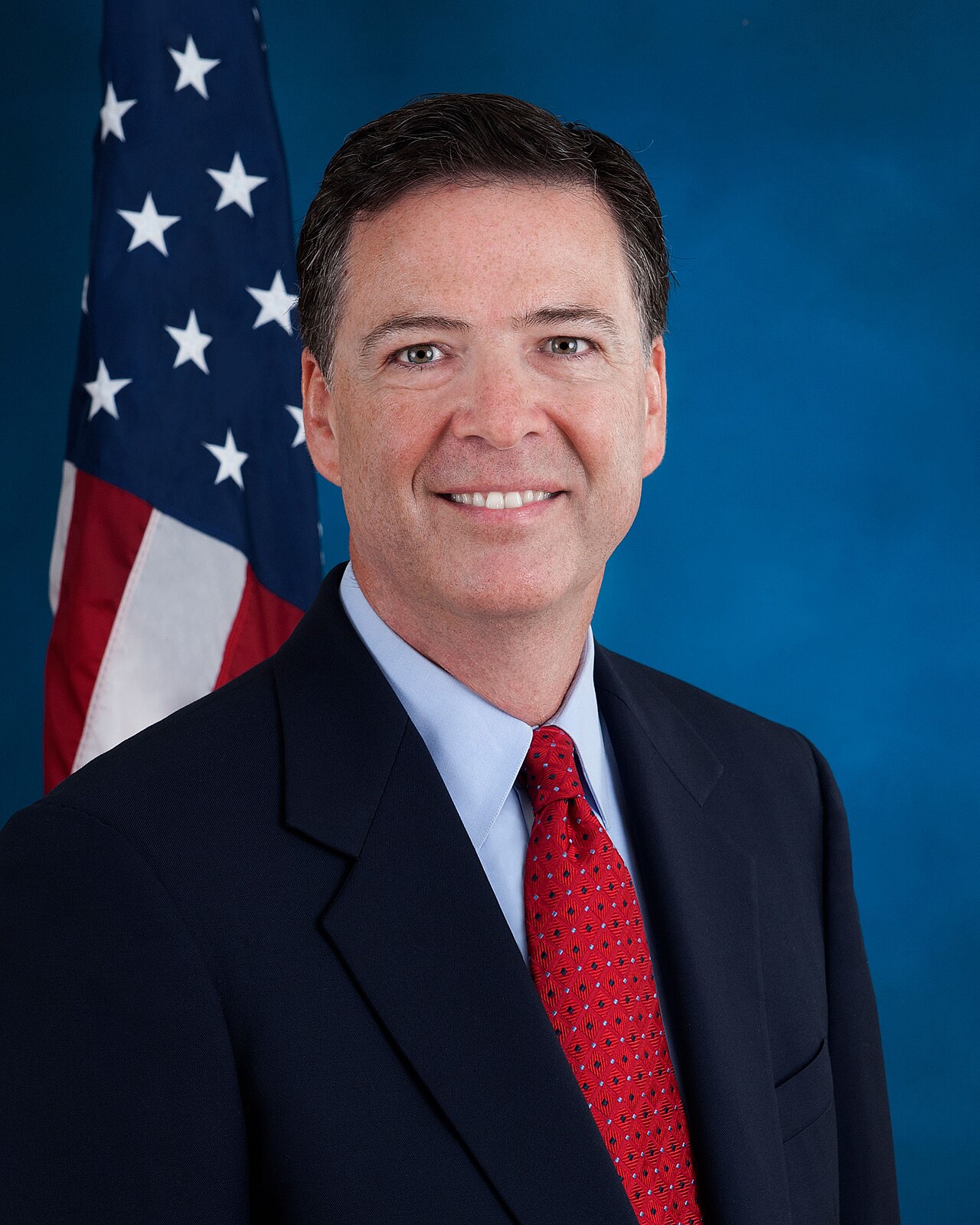
The Federal Bureau of Investigation (FBI) has initiated a terrorism investigation into a shooting incident that occurred at Old Dominion University in Norfolk, Virginia, on Thursday, October 24, 2024. The event resulted in one fatality and two injuries, prompting a rapid response from law enforcement agencies.
Authorities identified the alleged perpetrator as Mohamed Bailor Jalloh, a former member of the Army National Guard. Jalloh had a prior conviction from 2016 for attempting to provide material support to the Islamic State and was released from federal custody in December 2023. The circumstances surrounding his release and subsequent actions are expected to be a focal point of the ongoing inquiry.
Incident Details and Response
The shooting took place within Constant Hall, which houses the university's business school. Old Dominion University police responded to reports of gunfire, arriving at the scene within ten minutes. Upon arrival, officers discovered the shooter deceased. The FBI's Joint Terrorism Task Force (JTTF) is actively involved in the investigation, alongside agents from the Bureau of Alcohol, Tobacco, Firearms and Explosives (ATF).
One individual died as a result of the attack, and another remains in critical condition at Sentara Norfolk General Hospital. A third victim received treatment at Sentara Independence emergency department and has since been released. Two of the injured are members of the Army Reserve Officers' Training Corps (ROTC) program at Old Dominion University.
University and Community Impact
Old Dominion University swiftly declared the campus secure within an hour of the incident. All classes were canceled through Friday, and the university activated counseling services to support students and staff affected by the events. The immediate response aimed to ensure the safety and well-being of the campus community.
FBI Director Kash Patel confirmed the terrorism investigation, underscoring the gravity with which federal authorities are treating the incident. The full cause of the shooter's death is currently under investigation, with officials working to piece together the sequence of events and Jalloh's motivations. This incident highlights ongoing concerns regarding individuals with past terrorism-related convictions and their potential for re-engagement in extremist activities.
Broader Context of Domestic Terrorism
The investigation into this shooting as a potential act of terrorism places it within a broader national conversation about domestic extremism and the challenges of monitoring individuals previously incarcerated for related offenses. Federal agencies continuously assess threats from various ideological backgrounds, including those inspired by foreign terrorist organizations.
The involvement of a former military member with a prior conviction for supporting a designated terrorist group adds a complex layer to the investigation, raising questions about radicalization and rehabilitation processes. The incident also prompts a review of security protocols at educational institutions and the coordination between local and federal law enforcement in responding to such critical events.
Implications
Country Impact: The incident could intensify national discussions on domestic terrorism, the monitoring of individuals with prior extremism convictions, and campus security measures across the United States. It may also prompt reviews of rehabilitation programs for former inmates with terrorism ties.
Industry Impact: Educational institutions may face increased pressure to enhance security protocols and emergency response plans. The event could also impact the public perception of safety on university campuses, potentially influencing enrollment or attendance.
Market Impact: While direct market impact is likely limited, heightened security concerns could lead to increased investment in security technology and services. Broader geopolitical implications of terrorism investigations can sometimes cause minor, localized market jitters.