US Caribbean Strikes Face Human Rights Scrutiny
The IACHR will scrutinize U.S. military strikes in the Caribbean and Pacific, linked to 157 deaths, raising human rights concerns.
Lauren Collins ·
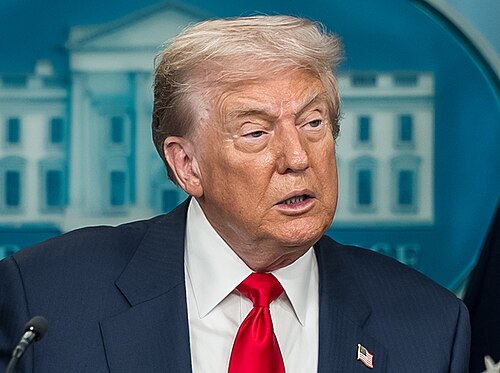
S. military operations targeting suspected drug trafficking vessels in the Caribbean Sea and eastern Pacific. This international review, scheduled for Friday, March 12, 2026, in Guatemala City, Guatemala, represents the first formal scrutiny of these actions. Human rights organizations and legal experts are advocating for a comprehensive fact-finding investigation into the strikes, which reportedly commenced in September and have been linked to 157 deaths.
International Scrutiny Initiated
Advocates are challenging the U.S. government's classification of these operations as an armed conflict. They are also demanding greater transparency regarding the legal basis for the strikes and the identities of those killed. The IACHR, an independent investigative body operating under the Organization of American States, holds the authority to investigate these allegations and potentially escalate cases to the Inter-American Court of Human Rights.
Operational Background and Legal Challenges
Since September, the United States has conducted numerous military strikes against maritime targets. S. actions has been limited. S. operations lack sufficient legal justification under international law. "
Victim Families Seek Redress
Families of alleged victims, including individuals identified as Chad Joseph, Rishi Samaroo, and Alejandro Carranza, have filed formal complaints with the IACHR. Concurrently, some families have initiated lawsuits within U.S. federal courts, seeking accountability and redress for the fatalities. These legal challenges underscore the growing international pressure for a thorough examination of the U.S. military's conduct in these maritime interdiction efforts.
Call for Transparency and Accountability
S. government's actions. This push for transparency aims to prevent potential future abuses and ensure adherence to established international legal norms governing the use of force. The upcoming IACHR hearing is expected to provide a platform for these concerns to be formally addressed on an international stage, potentially setting precedents for future military operations in international waters.
Implications
Country Impact: The United States faces increased international scrutiny over its military operations, potentially impacting its diplomatic standing and requiring greater transparency regarding its legal justifications for force abroad. Guatemala City hosts the IACHR hearing, placing a spotlight on regional human rights mechanisms.
Industry Impact: Maritime security and anti-narcotics operations could face revised international guidelines or increased oversight, potentially influencing operational procedures and legal frameworks for military and law enforcement agencies involved in interdiction efforts.
Market Impact: While direct market impact is limited, increased legal and human rights scrutiny on U.S. operations could indirectly affect investor confidence in regions perceived as unstable or subject to extra-legal actions. The focus on transparency might influence defense contracting and international security partnerships.