House Republicans Lack Unified 2026 Economic Strategy
House Republicans concluded their 2026 retreat without a unified economic strategy to address rising costs, focusing instead on an elections bill.
Lauren Collins ·
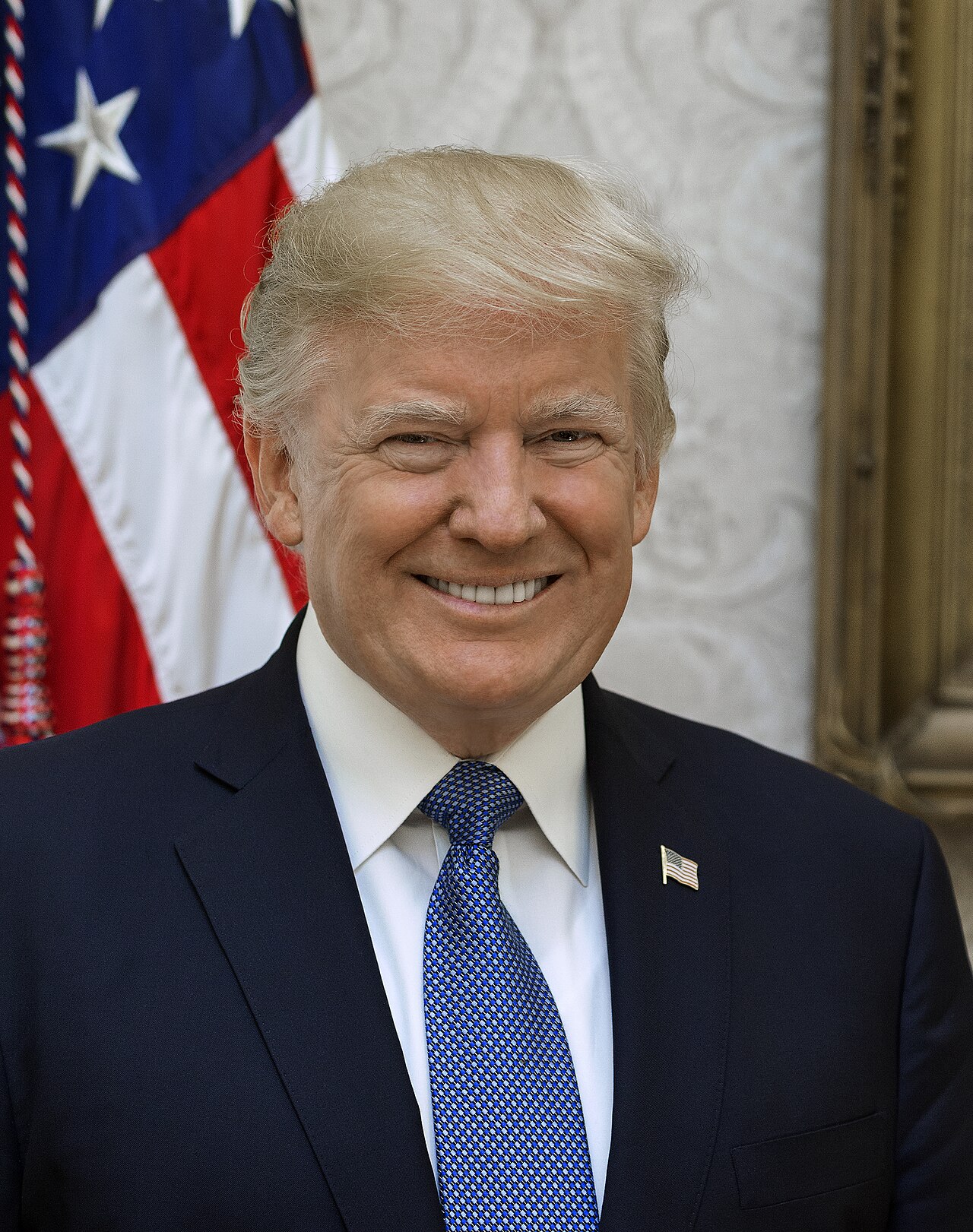
House Republicans concluded their annual policy retreat in Doral, Florida, on March 11, 2026, without establishing a cohesive economic agenda to address rising costs. The conference, intended to focus on economic issues ahead of the 2026 midterm elections, was largely sidetracked by discussions concerning an elections bill and a reconciliation dispute. This internal divergence highlights challenges in presenting a unified message to voters regarding financial pressures.
Speaker Mike Johnson indicated plans for a new party-line domestic policy bill aimed at cost-of-living concerns. However, specific policy proposals or a legislative timeline were not disclosed. This lack of concrete details has led to skepticism among some senior Republicans regarding the feasibility of significant legislative action before the November elections.
Divergent Priorities Within the Party
This prioritization by the former president created a clear divergence from the party's stated goal of addressing economic anxieties. The disconnect between the party's base, which often expresses concerns about inflation, and its de facto leader, who focused on social and electoral issues, complicated efforts to forge a unified economic message.
Legislative Outlook and Member Perspectives
Conversely, Rep. Richard Hudson highlighted past legislative achievements, such as tax cuts and school choice, as potential talking points for candidates. While these are established policy positions, the party has not yet coalesced around fresh, specific measures directly targeting current voter concerns about high prices and economic strain. The absence of new, actionable proposals leaves the party without a clear path forward on a critical voter issue.
Challenges for the 2026 Midterms
The party's internal struggle to align priorities between leadership, influential figures, and the concerns of everyday Americans could impact their electoral performance. Developing a coherent economic platform that directly addresses cost-of-living issues will be crucial for Republicans seeking to gain or maintain congressional seats in the upcoming election cycle.
Implications
Country Impact: The lack of a unified economic strategy could lead to continued public uncertainty regarding future policy directions on inflation and cost of living. This may impact consumer confidence and broader economic sentiment across the nation.
Industry Impact: Industries sensitive to consumer spending and economic policy, such as retail and manufacturing, may face continued volatility without clear legislative signals. Businesses might delay investment decisions awaiting more defined economic frameworks.
Market Impact: Financial markets may react to the perceived policy vacuum, potentially leading to increased caution among investors. The absence of a clear economic agenda from a major political party could contribute to market uncertainty, particularly in sectors affected by inflation and consumer purchasing power.