Iran Conflict Escalates, Pressuring US Economy
Escalating Iran conflict, involving US and Israel, is driving up US gasoline prices by 22% and impacting stock markets, challenging the economy.
Lauren Collins ·
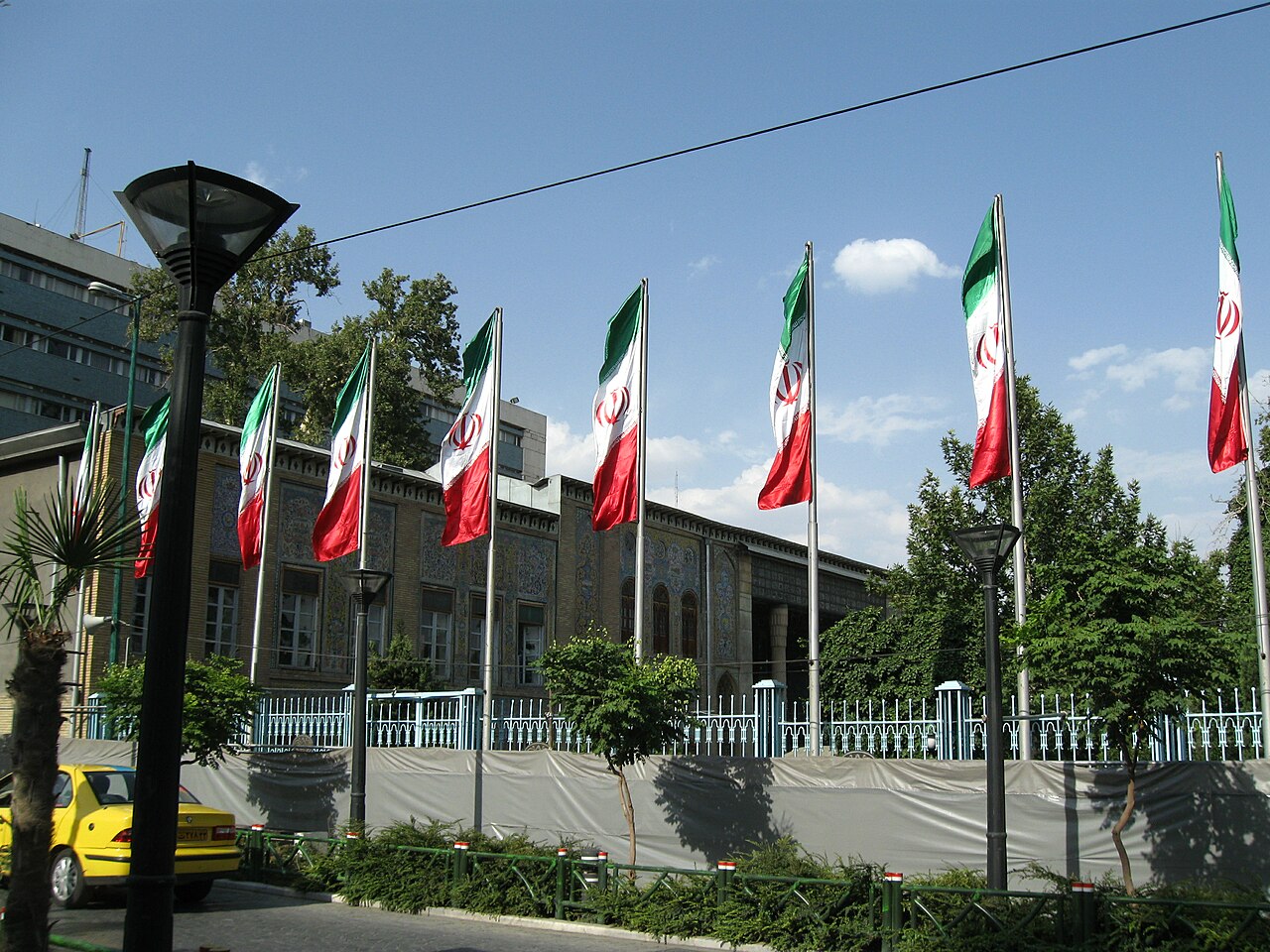
Escalating military engagements involving the United States and Israel against Iran are exerting significant pressure on the global oil market and the U.S. economy. These actions, which commenced approximately two weeks ago, have led to a notable increase in domestic gasoline prices and a downturn in U.S. stock market performance.
Iran's retaliatory measures, including the deployment of naval mines and targeting of oil tankers in the Strait of Hormuz, have directly contributed to these economic shifts. This strategic waterway is critical for global oil transit, making disruptions impactful on international energy supplies.
Rising Energy Costs and Market Volatility
As of March 11, 2026, U.S. gasoline prices have surged by 22% over the past month, according to data from AAA, with the national average exceeding $3.50 per gallon. This sharp increase in fuel costs directly affects consumer spending and business logistics across the country.
Concurrently, major U.S. stock indices have receded from their recent record highs. This market volatility reflects investor concerns regarding the geopolitical instability and its potential long-term economic consequences.
Political Implications for US Administration
The current economic climate poses a challenge to President Donald Trump's administration, particularly in light of his economic prosperity pledges. With a general election eight months away, the impact on household finances and market confidence could influence voter sentiment.
The Republican Party's narrow majority in the House of Representatives could also be affected by these economic headwinds. The administration's ability to manage the economic fallout from the conflict will be a key factor in the upcoming political cycle.
Strategic Responses and Outlook
Despite President Trump's public statements suggesting that military operations would lead to lower oil prices, U.S. intelligence assessments indicate that Iran's leadership remains stable, suggesting a prolonged period of tension. This assessment contradicts expectations of a swift resolution that might stabilize energy markets.
The White House is reportedly evaluating various strategies to mitigate the impact of rising oil prices on the U.S. economy. Among the options under consideration is a potential release from the Strategic Petroleum Reserve, a measure designed to increase oil supply and temper price increases during disruptions.
This ongoing geopolitical tension in the Middle East continues to be a significant factor for global markets and domestic economic policy. The interplay between military actions, energy prices, and political stability remains a critical area of focus for policymakers and investors alike.
Implications
Country Impact: The United States faces economic challenges from rising gasoline prices and stock market volatility, potentially impacting consumer confidence and the upcoming general election. The administration is exploring strategic reserves release to stabilize energy costs.
Industry Impact: The global oil and shipping industries are directly affected by disruptions in the Strait of Hormuz, leading to increased operational risks and higher crude oil prices. This translates to elevated costs for transportation and energy-intensive sectors.
Market Impact: Global financial markets are experiencing increased volatility, with U.S. stock markets retreating from highs. Energy commodity prices, particularly crude oil, are under upward pressure due to supply concerns stemming from the Middle East conflict.