Nepal Seeks UN Climate Fund Aid After Deadly Floods
Nepal has requested UN Loss and Damage Fund aid after deadly floods, citing $5 billion in recovery costs against the fund's $485 million in contributions.
Lauren Collins ·
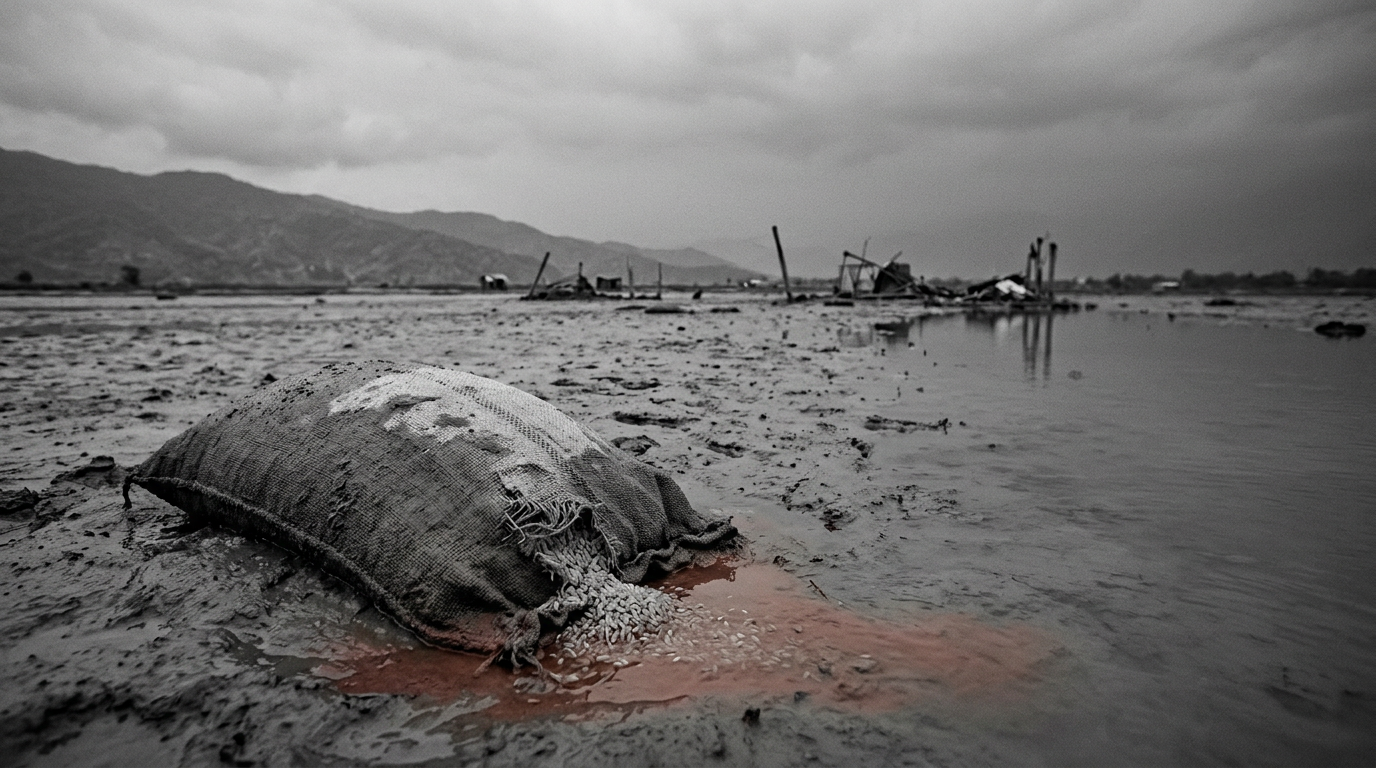
Nepal has formally appealed to the United Nations Fund for Responding to Loss and Damage for financial assistance, following devastating floods that resulted in 1,250 fatalities and an estimated US$5 billion in recovery and reconstruction expenses. This request underscores the substantial financial challenges faced by vulnerable nations in the wake of climate-related disasters.
The UN Loss and Damage Fund, established in 2022 to support developing countries severely affected by climate impacts, currently holds US$485 million in paid contributions. This figure is against total pledges of US$822 million. Nepal's urgent plea highlights a considerable discrepancy between current fund resources and the immense capital required for disaster recovery on such a scale.
Understanding the Funding Gap
The recent flooding event in Nepal has presented an immediate and significant test for the newly formed fund. Preliminary assessments indicate that the country faces a recovery and reconstruction bill that could reach approximately US$5 billion. This amount far exceeds the fund's current liquid assets, revealing a critical funding gap in international climate finance mechanisms designed for rapid disaster response.
The disparity between the US$485 million available and Nepal's US$5 billion requirement illustrates the scale of financial aid needed by climate-vulnerable nations. The fund's ability to address such a substantial claim will be crucial for its perceived effectiveness and future viability, influencing support from donor countries and the expectations of other developing nations.
Broader Implications for Climate Finance
While a precise scientific link between global climate change and this specific flooding event is still under review, the Himalayan region faces increasing systemic risks. These include glacial instability and the degradation of permafrost, which contribute to more frequent and intense natural hazards. Nepal's request is not isolated; it reflects a growing global challenge for countries on the front lines of climate change.
The outcome of Nepal's appeal is anticipated to set a critical precedent for how the UN Loss and Damage Fund handles similar claims from other vulnerable nations experiencing extensive climate-linked economic losses. Its response will be closely observed by countries grappling with comparable environmental and financial pressures, potentially shaping future mechanisms for international climate disaster relief.
The establishment of the fund itself marked a significant step in acknowledging the financial burdens placed on developing nations by climate change. However, the magnitude of Nepal's request now forces a re-evaluation of the fund's capacity and the broader commitment from international stakeholders to adequately finance climate recovery and resilience efforts.