NATO Chiefs Elect New Military Committee Chair in Copenhagen
NATO's 32 defense chiefs are meeting in Copenhagen to elect a new Military Committee chair, crucial for alliance strategy amid evolving defense postures.
Lauren Collins ·
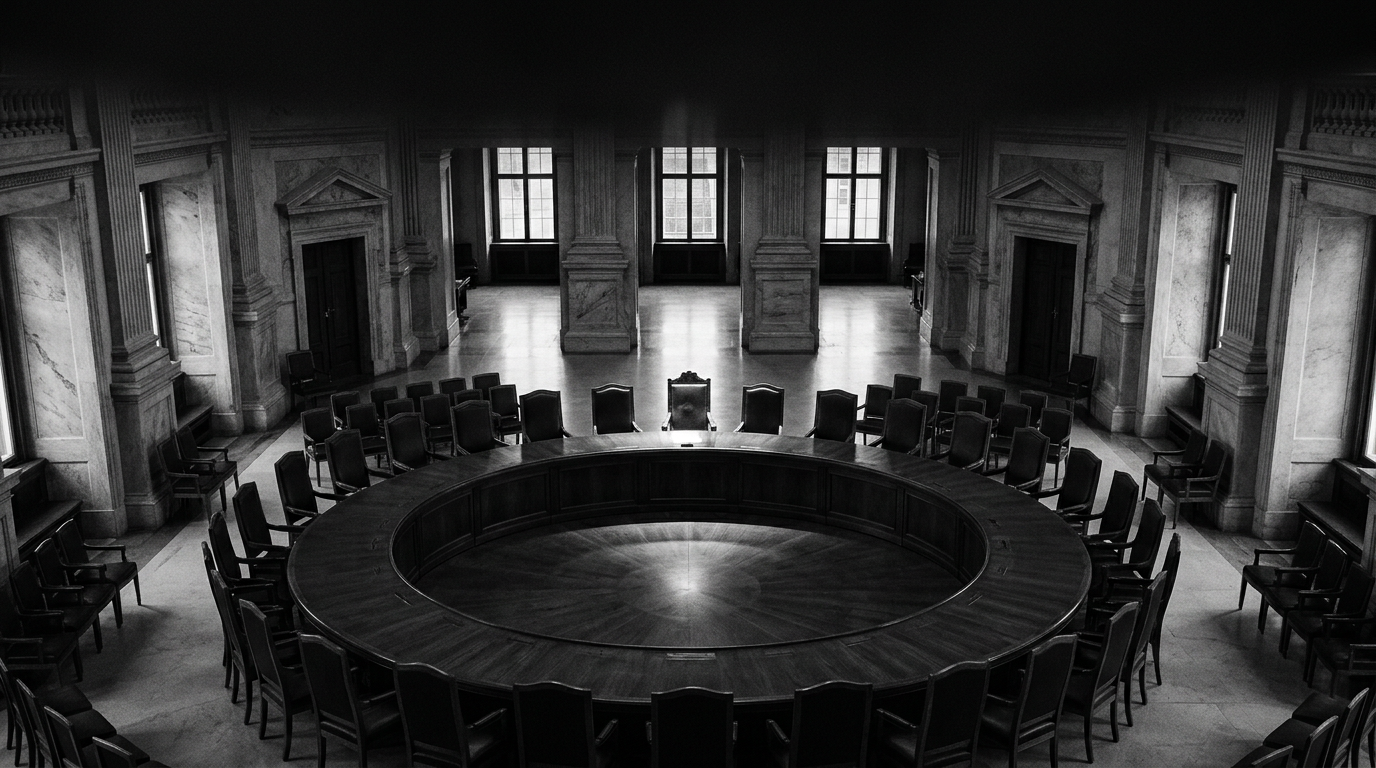
NATO’s 32 chiefs of defense are currently gathered in Copenhagen to select the next chair of the Military Committee, the alliance's principal military body. This confidential election involves a ballot between Germany's General Carsten Breuer and Canada's General Jennie Carignan. The chosen candidate will be responsible for overseeing military advice, assessing operational feasibility, and guiding the alliance's upcoming four-year war planning cycle.
Strategic Leadership Amid Alliance Shifts The election takes place during a period marked by substantial institutional changes within NATO and increased transatlantic tensions. The individual stepping into this role will need to manage the shift towards a more European-led defense stance, while simultaneously fostering consensus among all member nations. The position demands a delicate balance between fulfilling military technical requirements and aligning with the varied political objectives of national governments. Breuer Leads, Carignan Emphasizes Unity General Breuer of Germany is widely considered a General Breuer of Germany is widely considered a leading contender. His candidacy is bolstered by Germany's increased defense spending and its alignment with the strategic priorities of the United States. Germany is now Europe's leading defense spender, and U.S. officials have previously encouraged Germany to take on leadership roles within the alliance to reduce American military engagement in Europe. This support was evident when General Breuer briefed Pentagon policy chief Elbridge Colby on Germany's new military strategy, which Colby later described as "historic" and "highly laudable." Meanwhile, General Carignan of Canada has centered her campaign on strengthening transatlantic unity and enhancing the internal operational effectiveness of the committee. Officials also noted that strained bilateral ties between Ottawa and Washington might make General Carignan's candidacy more challenging. Preserving Alliance Cohesion Through Confidentiality
Military Committee
The election process is structured to maintain professional cohesion within the alliance. Once a majority threshold of 17 votes for a candidate is met, the results of the confidential ballot will not be publicly disclosed. This approach aims to ensure a smooth transition and continued unity for NATO's military leadership.
Sensitive talks on NATO's next four-year war planning cycle are set to begin in October, underscoring the immediate importance of the newly elected chair's role in guiding the alliance's future strategic direction.