UK Butterflies Face Decades of Decline
UK butterfly species decline: UKBMS data since 1976 shows 33 of 58 native species fell over 50 years, despite some sharp recoveries.
Ayla Demirhan ·
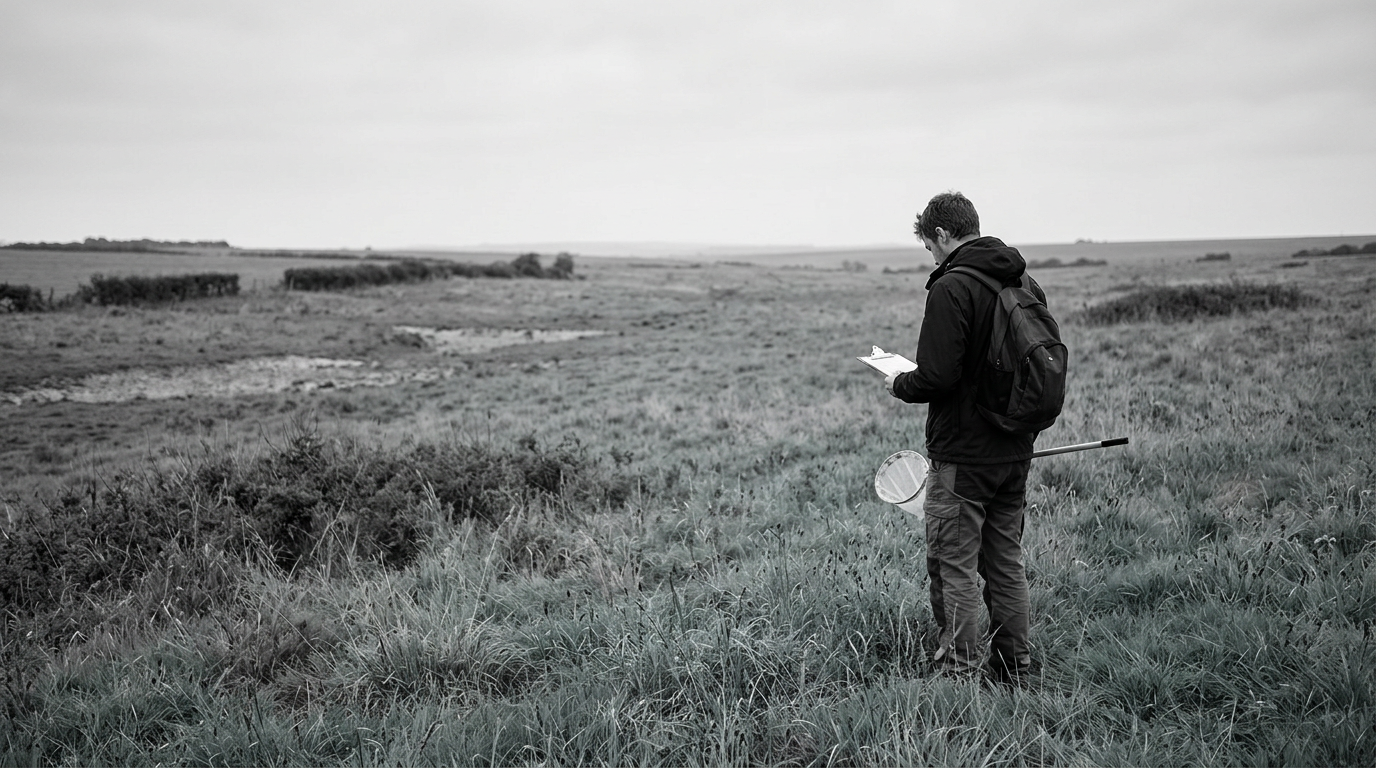
More than half of Britain’s native butterfly species have seen their populations fall over the past 50 years, based on long-running monitoring data. The figures come from the UK Butterfly Monitoring Scheme (UKBMS), which has collected records since 1976 across the United Kingdom. The dataset tracks 58 native species and shows 33 declining in number, while 25 have increased.
The overall pattern points to a narrowing of butterfly diversity, with losses concentrated among species that rely on specific habitats. Habitat specialists tied to environments such as woodlands or grasslands have recorded some of the steepest drops. Among the examples cited, the pearl-bordered fritillary is down 70%, the high brown fritillary has fallen 66%, and the white-letter hairstreak has declined 80%.
Several pressures are linked to these declines in the monitoring summary. Habitat loss is one factor, alongside shifts in traditional woodland practices, including changes to coppicing. Nitrogen pollution from vehicles is also cited, with the data summary noting that it can alter plant communities, which in turn affects butterflies that depend on particular host plants and habitat conditions.
At the same time, the UKBMS figures show that not all species are moving in the same direction. Some butterflies have increased markedly, and the monitoring summary links these gains to warmer weather that has allowed certain species to extend their ranges northward. The purple emperor is reported up 136%, the red admiral up 330%, and the comma up 178%.
Conservation interventions are also reflected in the long-term results, with targeted work associated with recoveries in several species. The large blue butterfly, which was declared extinct in Britain in 1979, is reported to have risen 1,866% since its reintroduction in 1983. Other examples of increases attributed to focused conservation include the silver-spotted skipper, up 300%, and the black hairstreak, up 844%.
For policymakers and land managers, the split between declining specialists and expanding generalists underscores how environmental change can reshape biodiversity outcomes within a single country. The UK’s monitoring record also illustrates how long-term datasets can identify where habitat management and conservation programmes coincide with measurable rebounds, while highlighting areas where declines persist.
Even with clear long-run direction in the UKBMS totals, uncertainty remains around how quickly individual species may respond to changes in habitat quality, pollution levels, and land management. The monitoring results show both sharp losses and strong recoveries, indicating that outcomes can differ widely by species and by the conditions of the landscapes they depend on.