California Braces for Potential 2026 Super El Niño
California is preparing for a possible “super” El Niño by late fall 2026, with NOAA putting the odds of key warming at 1 in 4.
Ayla Demirhan ·
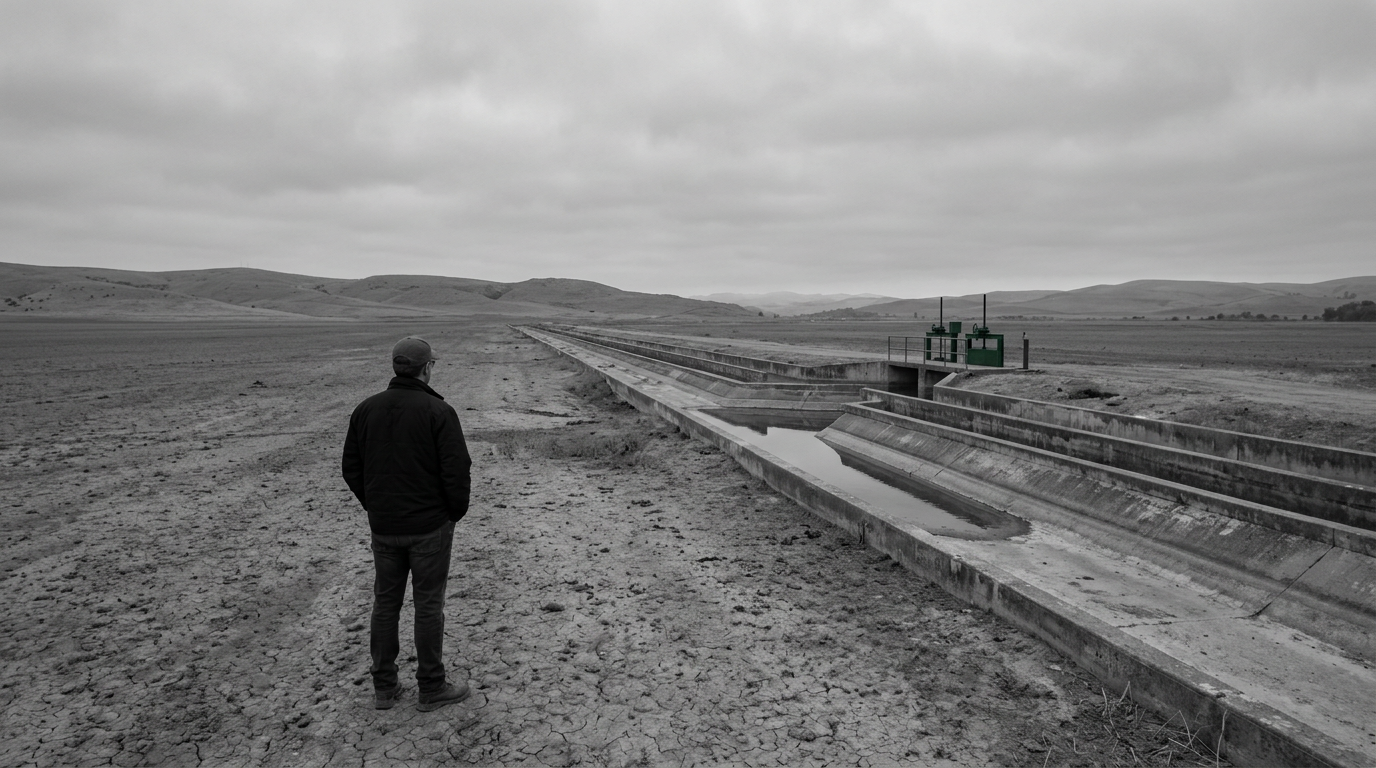
California officials and forecasters are preparing for the possibility that a “super” El Niño could form by late fall 2026, a scenario described as carrying risks of heavy rainfall, flooding, and coastal erosion. Southern California is highlighted as a key area of concern in the planning described. El Niño is defined as warming in the equatorial Pacific that can alter weather patterns far beyond the United States, with effects that can extend globally.
Forecast signals cited include projections from the European Center for Medium-Range Weather Forecasts that sea surface temperatures could climb to more than 2 degrees Celsius above the seasonal average. The National Oceanic and Atmospheric Administration later assessed the probability of reaching that threshold at 1 in 4 by late fall 2026.
The source material characterizes this upper-end outcome as a “super” El Niño, a label used for the most intense category of El Niño events and one associated with broader and stronger impacts.
For California, the potential upside and downside are presented as tightly linked. Strong El Niño episodes have historically been associated with wetter winters in Southern California, which can support water-supply replenishment and reduce wildfire risk. At the same time, the same weather pattern can increase hazards including flooding, debris flows, and coastal damage, particularly when saturated ground coincides with high surf.
The source material also points to a comparison with the 1997-98 El Niño, described as one of the strongest of the last century. It says the amount of warm water available for the anticipated event is reported to be greater than what was observed during 1997-98. That comparison is presented as a reason planners are paying close attention, even though the timeline extends to late 2026 and the outcome remains uncertain.
Beyond California, the potential development of a high-intensity El Niño is described as significant because the equatorial Pacific is a major driver of global weather variability. When temperatures in that region move sharply above normal, the effects can ripple through international agriculture, water management, and disaster-preparedness planning, even though local outcomes can differ by region.
The source material frames this as a reason the prospective event matters for stakeholders outside the United States as well.
Key uncertainties remain. Forecasters have not confirmed that sea surface temperatures will exceed the 2 degrees Celsius threshold by late fall 2026, and it is also unclear how strongly any warming would translate into rainfall and coastal impacts in California. The 1-in-4 probability estimate is presented as reflecting both heightened attention and the limits of certainty at this stage.