Mongolian Prime Minister Resigns Amid Political Turmoil
Mongolia's Prime Minister Gombojav resigned on March 27, 2026, with parliament's approval.
Cuneyd Erdogan ·
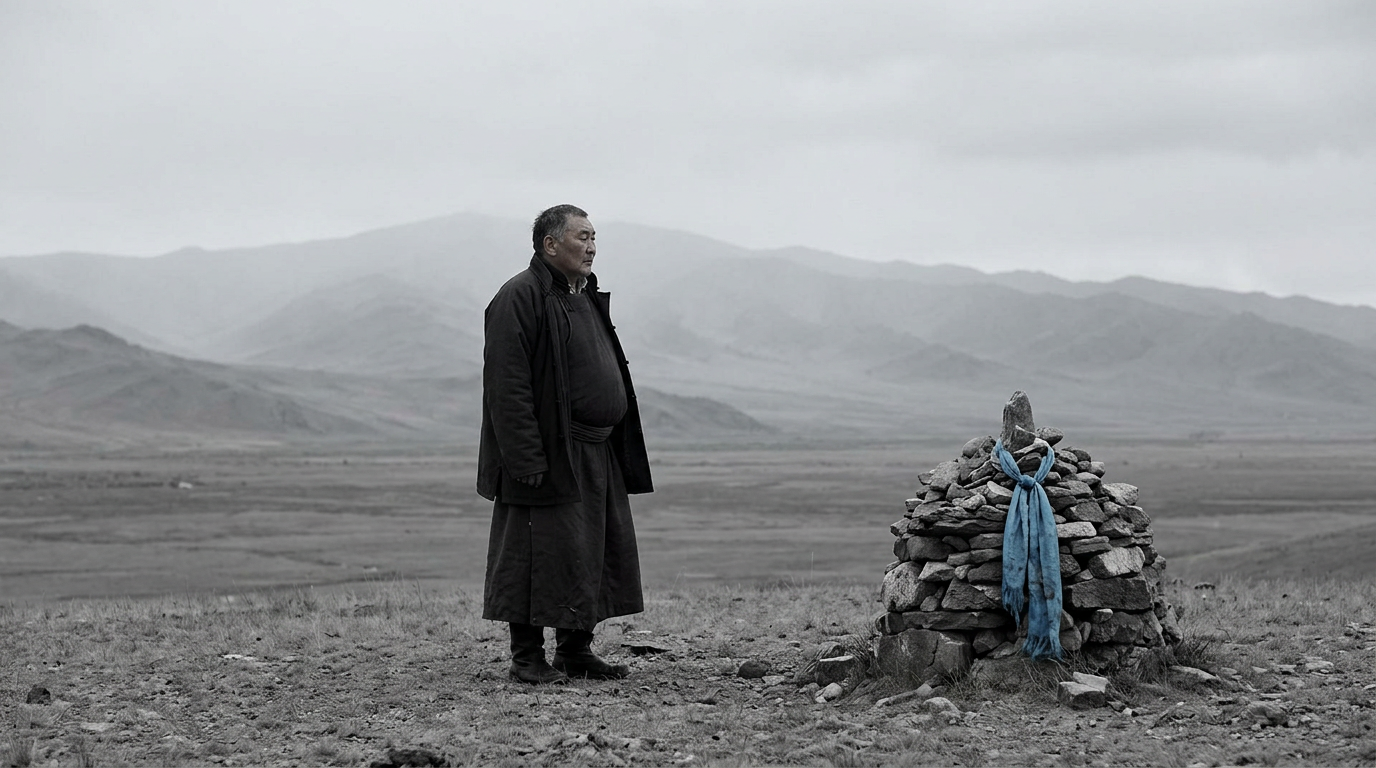
On March 27, 2026, Zandanshatar Gombojav stepped down from his position as Mongolia's Prime Minister. The parliamentary body officially accepted his resignation, initiating a transition in executive leadership.
Gombojav announced his departure via social media, citing internal tensions within the ruling Mongolian People's Party (MPP). He expressed concerns that these internal conflicts would negatively affect the economy and lead to increased prices.
Two primary factors underpinned this resignation: ongoing power struggles within the governing party and a parliamentary boycott by the opposition. The Democratic Party, in opposition, had initiated a boycott earlier in the month, citing the ruling party's disagreements, which further exacerbated the political deadlock.
Political Instability and Economic Concerns
Gombojav had served as Prime Minister since July of the previous year. His relatively short tenure highlights the limited time available for solidifying government policies and establishing internal party balance. His resignation introduces uncertainty regarding the continuity of executive functions and decision-making capabilities.
Following parliamentary approval, attention has shifted to the ruling party's selection of a new leader. Current expectations suggest that Nyam-Osoryn Uchral, the MPP Chairman, is likely to assume the prime ministerial role. This potential transition could lead to immediate restructuring within the cabinet, economic management strategies, and parliamentary working arrangements.
Mongolia's economic structure makes it particularly susceptible to political stability, which quickly influences investment sentiment and pricing behaviors. Government changes can affect budget priorities, the timing of public expenditures, and the speed of regulatory decisions. These shifts can then impact the economy through inflation expectations and institutional confidence.
Future Outlook and Key Challenges
A critical question for the upcoming period is how swiftly the ruling party can achieve internal consensus and the extent to which the opposition's boycott will impede parliamentary operations. The leadership change will dictate the pace of efforts to restore political credibility. Simultaneously, the framework for price stability and economic growth will be closely monitored.
This development signifies a new phase in Mongolia's political landscape. For institutional investors and public authorities, key areas of focus will include the timeline for government formation, maintaining majority discipline in parliament, establishing a working relationship with the opposition, and ensuring continuity in economic management signals.
Potential Consequences
National Impact: The change in leadership may affect the government's decision-making speed and its ability to collaborate with parliament. If internal party tensions and the boycott persist, progress on budget and regulatory agendas could slow down.
Sectoral Impact: Policy uncertainty could influence permit approvals, tender processes, and investment timelines in sectors sensitive to regulation. Companies might need to update their compliance and risk management plans based on the new administration's priorities.
Market Impact: Political instability can affect asset prices through risk premiums and capital flows. Signals regarding inflation expectations and policy continuity could increase currency and interest rate volatility.