Hormuz Closure Rocks Global Oil Markets
Strait of Hormuz disruption tied to regional strikes is raising risks for oil flows, shipping, and price volatility across global markets.
Lauren Collins ·
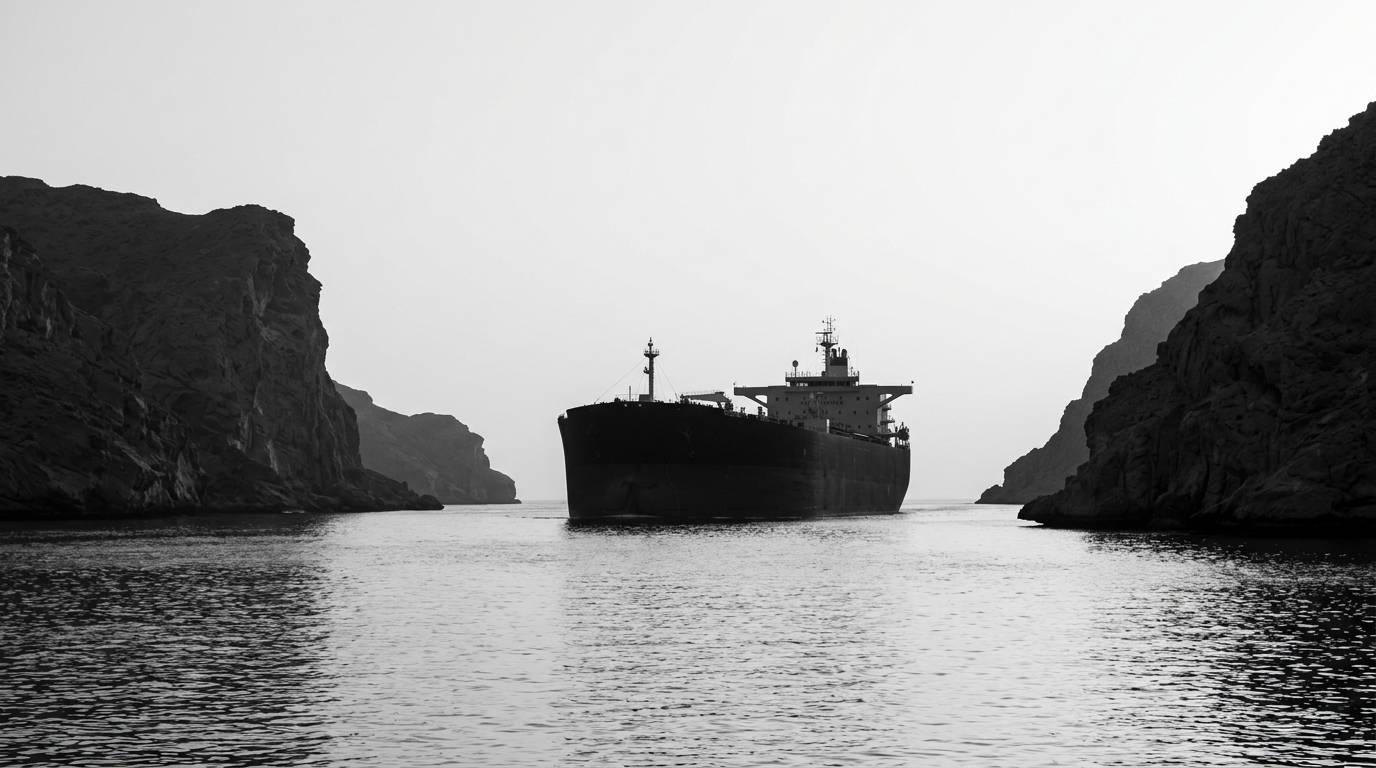
Iran has effectively shut the Strait of Hormuz by asserting control over which vessels can pass, disrupting a maritime chokepoint that typically carries about 20% of global oil supply.
The move is rippling through international shipping and trade, with the Middle East’s largest port in Dubai cited as a major point of impact.
What changed, and why it matters now
The immediate change is operational: traffic through Hormuz is being constrained by Iran’s decision to regulate passage, rather than remaining an open transit route for commercial flows.
Because a large share of seaborne crude and refined products normally moves through this corridor, any sustained interruption can quickly translate into higher transport costs, delivery delays, and wider price swings in energy-linked markets.
Conflict backdrop driving the disruption
The closure follows a period of escalating military activity across the Middle East, including joint U.S.-Israeli strikes on Iran and Israeli operations in Lebanon, as described in the source material.
Israeli forces targeted bridges over Lebanon’s Litani river, stating the crossings were being used by Hezbollah to move reinforcements.
Reported strikes and casualties
Iran has also faced airstrikes that hit oil depots and Mehrabad Airport in Tehran, while a Kuwaiti government building was struck by an Iranian drone, according to the same account.
The broader conflict includes a missile strike on Beit Shemesh in Israel that killed nine people and injured 27.
Humanitarian and economic spillovers
The events are described as beginning around February 28 and have contributed to civilian displacement in Beirut and Gaza.
Alongside the security fallout, the situation has raised concerns about volatility in global food and fuel prices, reflecting the link between energy transport disruptions and broader supply-chain costs.
Leadership claim and key uncertainties
The source material also reports the death of Iran’s Supreme Leader Ayatollah Ali Khamenei during a U.S.-Israeli attack, followed by celebrations in some Iranian cities.
This is a single-source claim in the provided text, and details such as independent confirmation, the duration of the Hormuz disruption, and the extent of shipping restrictions are not specified.