Iran Strikes: Civilian Casualties Mount, Damage Spreads
Tehran strikes on March 9 and March 1 caused heavy civilian losses and wide residential damage, as scrutiny grows over weapon choice.
Lauren Collins ·
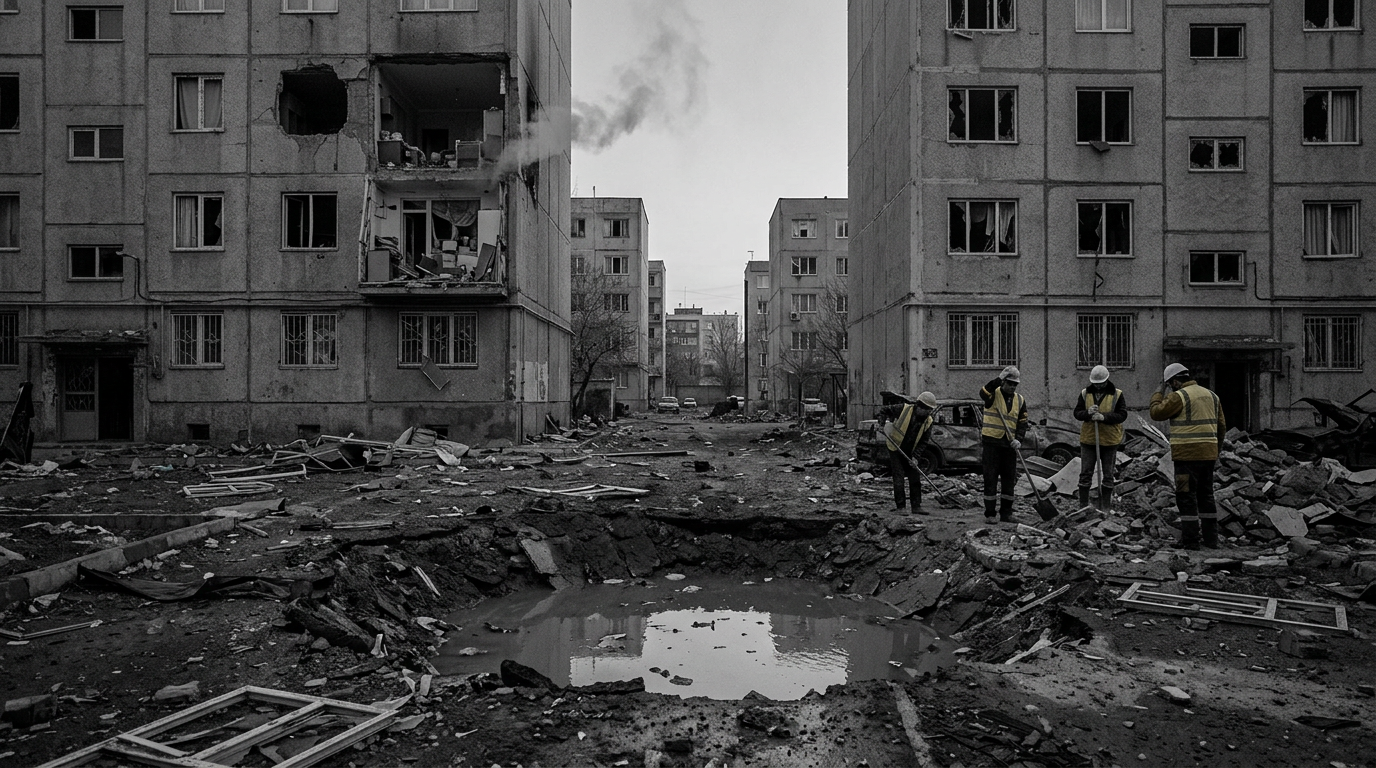
Airstrikes in Tehran have caused rising civilian deaths and widespread destruction in residential districts, based on a BBC Eye investigation that reviewed imagery and witness testimony.
The reporting centers on two incidents in early March and raises questions about how far blast effects reached beyond stated military objectives in densely populated areas.
What happened
On March 9, a strike hit Tehran’s Resalat district. The Israel Defense Forces (IDF) said the aim was a military building.
BBC Eye’s investigation said at least four structures were destroyed, including residential buildings. It reported that between 40 and 50 people were killed and that many families were forced from their homes.
Evidence cited and weapon assessments
According to the investigation, post-strike analysis using satellite images and eyewitness accounts indicated damage spread well beyond the alleged military site. The review described destruction extending across a wider area than a single facility footprint.
Military specialists cited in the reporting suggested the blast pattern was consistent with use of a Mark 84 bomb. That munition is described as weighing about 2,000 pounds, with effects consistent with severe damage observed up to roughly 65 meters from the impact area.
Legal concerns and the urban targeting problem
Experts on international humanitarian law, as cited in the investigation, warned that deploying very large bombs in crowded neighborhoods can raise proportionality concerns. They said such choices may be disproportionate and could be unlawful, depending on the circumstances.
A key constraint in assessing legality from public information is that the full targeting rationale, intelligence basis, and precautions taken are not publicly detailed in the material cited. That limits outside verification of whether the expected military advantage outweighed foreseeable civilian harm.
Scale of strikes and competing tallies
Since the conflict began, the IDF has said it dropped more than 12,000 bombs across Iran, including 3,600 on Tehran. Separately, U.S. Central Command has stated that more than 9,000 targets have been struck across Iran.
The investigation noted that many sites described as targets—such as police stations and paramilitary buildings—are located inside civilian neighborhoods. That proximity increases the risk that attacks on security infrastructure can also damage homes and kill non-combatants.
Why it matters for markets and politics
The reported civilian toll and the use of heavy ordnance in urban areas can intensify diplomatic pressure and legal scrutiny, potentially shaping how governments engage with the conflict. For global markets, heightened geopolitical risk tied to Iran and Israel can influence risk sentiment across equities, energy, and foreign exchange, even when immediate supply impacts are unclear.
Another strike cited in the reporting occurred on March 1 near Niloufar Square and was said to have killed at least 20 people. The pattern of strikes near civilian areas underscores the uncertainty around how targeting choices and weapon selection may evolve.