Modi Israel greetings spotlight India’s balancing act
Modi thanked Israel’s Herzog on Aug. 15 and said India “deeply values” ties, as Gaza war scrutiny grows and diplomats watch India’s public tone.
Lauren Collins ·
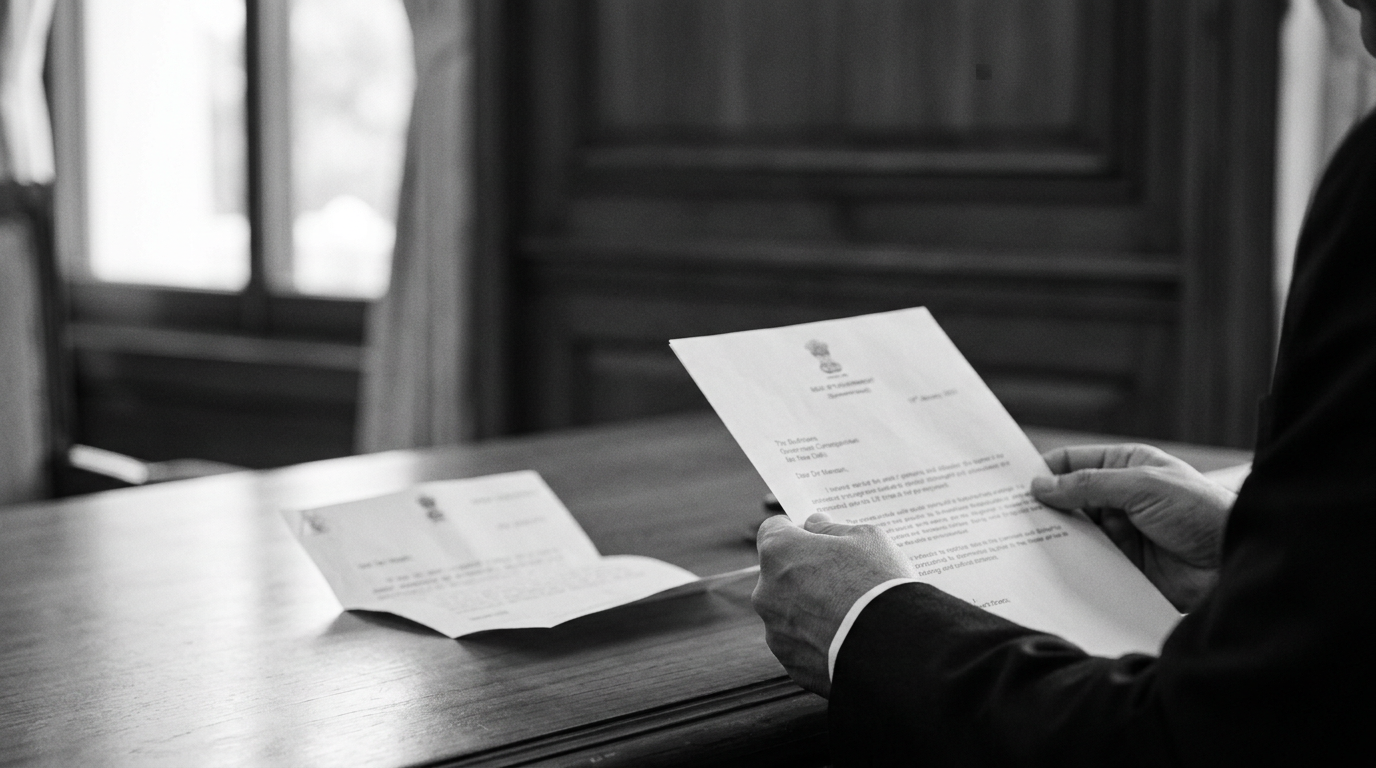
Prime Minister Narendra Modi used India’s August 15 Independence Day exchanges to publicly underscore ties with Israel, thanking Israeli President Isaac Herzog for his greetings and saying India “deeply values” the relationship. Israeli Prime Minister Benjamin Netanyahu also sent greetings to India, calling the two countries’ friendship “boundless,” according to the cited exchange.
The wording drew attention as the war in Gaza continues to influence diplomacy across the Middle East. Officials cited in the repoSources said foreign ministries track how clearly major partners describe relationships in public statements during an active conflict.
Independence Day messages and diplomatic signal-reading
Independence Day greetings are often routine and ceremonial Independence Day greetings are often routine and ceremonial, but officials said governments still parse the exact language used. In this case, the phrases “deeply values” and “boundless” were described as more expansive than typical protocol wording. At the same time, the report stressed that such language does not amount to operational commitments or a formal policy shift. Modi’s message also came amid congratulations from several other leaders, including those of Australia, Russia, Maldives, France, and Bhutan, placing the Israel reference within a broader round of standard outreach rather than a single-purpose diplomatic event. Officials said the exchange would be read abroad as a sign that New Delhi is willing to keep the Israel relationship visible while the Gaza war remains ongoing. They added that this could affect how other capitals gauge India’s room to maneuver across competing camps. Israel ties, Gulf interests, and “strategic autonomy”
Prime Minister Narendra Modi
Over the past generation, the repoSources said, India’s relationship with Israel moved from cautious engagement to a more visible strategic partnership. In parallel, New Delhi has sought to balance its stated support for the Palestinian cause with ties to Arab states and energy interests in the Gulf, while also expanding its engagement with Israel. In officials’ accounts cited in the article, the relationship has been linked to cooperation spanning defense technology, intelligence, and agriculture. The public tone, they said, became more explicit during Modi’s years in office as India pursued diversification in defense and technology relationships while preserving what Indian officials often describe as strategic autonomy. Officials said US attention frequently centers on the defense dimension, pointing to a long-standing security relationship that includes systems and know-how related to border surveillance, drones, missiles, and intelligence. They also framed US interest more broadly as involving partners that can help manage escalation risks, protect shipping lanes, and keep channels open with governments that do not always align with US policy. Domestic messaging and what officials say they will watch At home, the repoSources said Modi’s foreign policy messaging often aims at an audience that values global recognition and strategic independence. Officials said a warm exchange with Israel, alongside greetings from Russia and Western partners, can reinforce an image of India being courted across blocs rather than acting as a junior partner in any one alignment.
For Washington, officials described the question as “access versus alignment,” arguing India can be a partner in the Indo-Pacific while also keeping relationships that provide reach across the Middle East. They also cautioned that if New Delhi is perceived as leaning too far in one direction during a crisis, it could narrow its ability to act as a bridge.
Officials said one indicator they will watch is India’s conduct at the United Nations and the tone of its diplomatic statements before November 1, 2026. They said India’s voting choices and public language could shape whether the Independence Day exchange is interpreted as a durable tilt or a largely ceremonial signal, leaving open the question of how warm India’s public messaging remains as it maintains working ties across Israel, Gulf capitals, Russia, and Iran.