Iran says Hormuz talks are technical, tied to US terms
Iran says Hormuz talks with Oman are technical, but officials link any reopening decision to US conditions, with August 23 flagged as a marker.
Mateo Fernandez ·
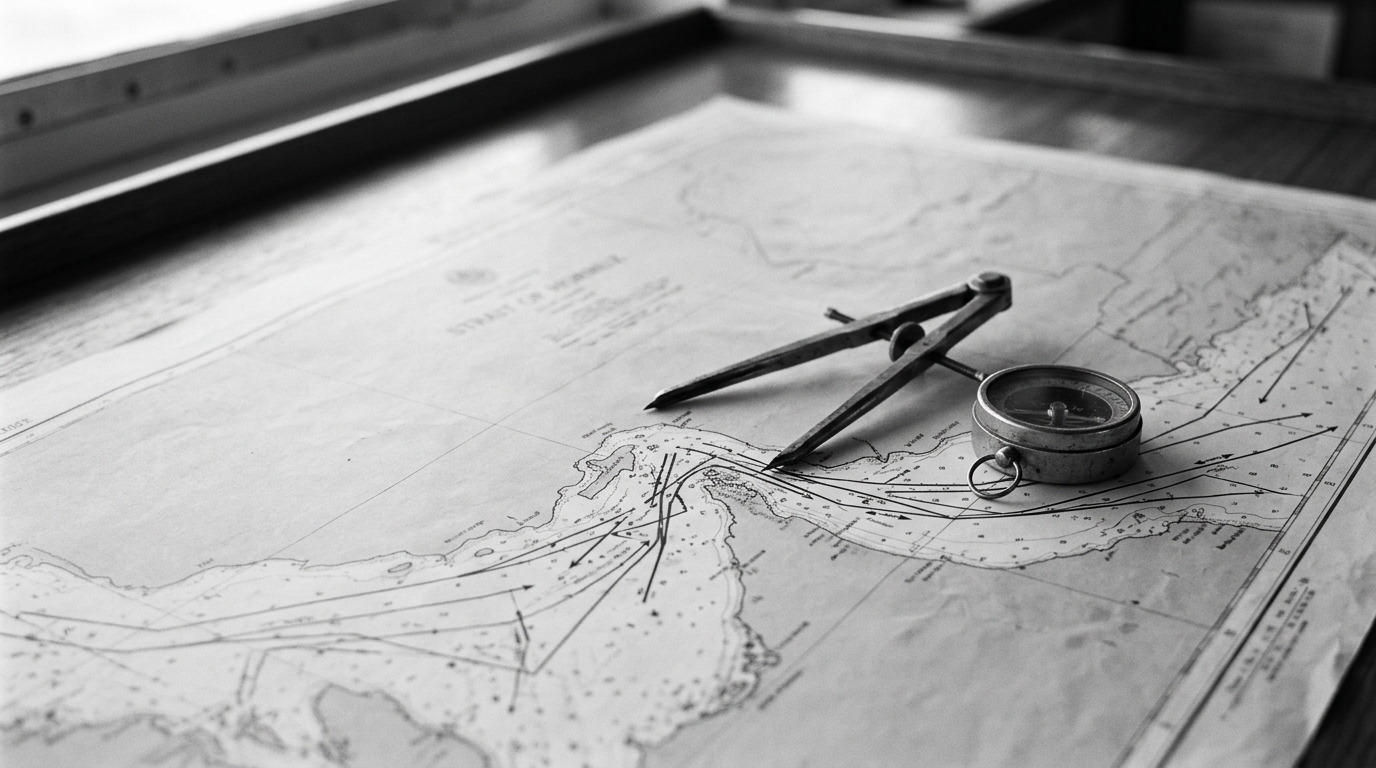
Iran’s foreign minister said on August 16 that talks with Oman on the Strait of Hormuz are narrowly technical, focusing on updating vessel navigation routes and associated procedures. Officials said any move linked to reopening the strait depends on the United States meeting conditions set by Iran.
Officials portrayed the Oman channel as an operational track that is separate from political demands arising from broader US–Iran tensions. They said the meetings are meant to revise safe-transit corridors and navigation protocols for commercial shipping, not to bargain over questions of sovereign control.
Oman channel focuses on routing and navigation procedures
The foreign ministry described the engagement with Oman as procedural and operational. Officials said the is to refresh maritime routing arrangements used by commercial vessels transiting the waterway, with attention to safe-transit corridors and navigation guidance.
Iranian officials also rejected claims by President Trump about territory in the strait. They said Iran asserts command over the waterway, while stressing that the current discussions are centred on navigation and shipping procedures.
Reopening linked to US conditions, with August 23 as a marker Officials said responsibility for reopening the strait is tied to Washington fulfilling specific conditions set by Iran. In their framing, the technical work with Oman can proceed on its own track even if political issues between Tehran and Washington remain unresolved.
United States
The Strait of Hormuz is widely described as a strategic chokepoint for seaborne trade and energy flows. Against that backdrop, officials indicated that a technical outcome from the Oman talks—if implemented as intended—could help limit near-term disruption to commercial shipping by clarifying routes and procedures.
Officials also suggested that if Washington meets Iran’s conditions, transit arrangements could be adjusted without requiring a broader diplomatic settlement. At the same time, they cautioned that if the situation remains primarily political, the talks could stall and leave maritime risks elevated.
Officials pointed to August 23 as a near-term reference point for whether progress is reported. They said that without progress by that date, markets and insurers may begin to price in a higher security premium for Gulf shipping, while a positive technical result before then could ease immediate pressure on freight and energy risk measures.
Implications for shipping, insurers, and energy risk measures Officials’ description draws a clear line between two sets of issues: the operational mechanics of safe passage and the political conditions tied to the United States. How closely those tracks remain separated is uncertain, because officials acknowledged the risk of stalling if the dispute stays political.
For commercial operators, the immediate focus described by officials is on practical routing updates and navigation protocols. For markets and insurers, officials’ emphasis on August 23 underscores a defined window in which reported progress—or the absence of it—could influence how Gulf shipping risks are reflected in pricing.