India's BJP Shifts Digital Strategy to Target Gen Z
India's ruling BJP is focusing on Instagram to engage Gen Z voters after recent youth-led protests, aiming for the 2029 elections.
Lauren Collins ·
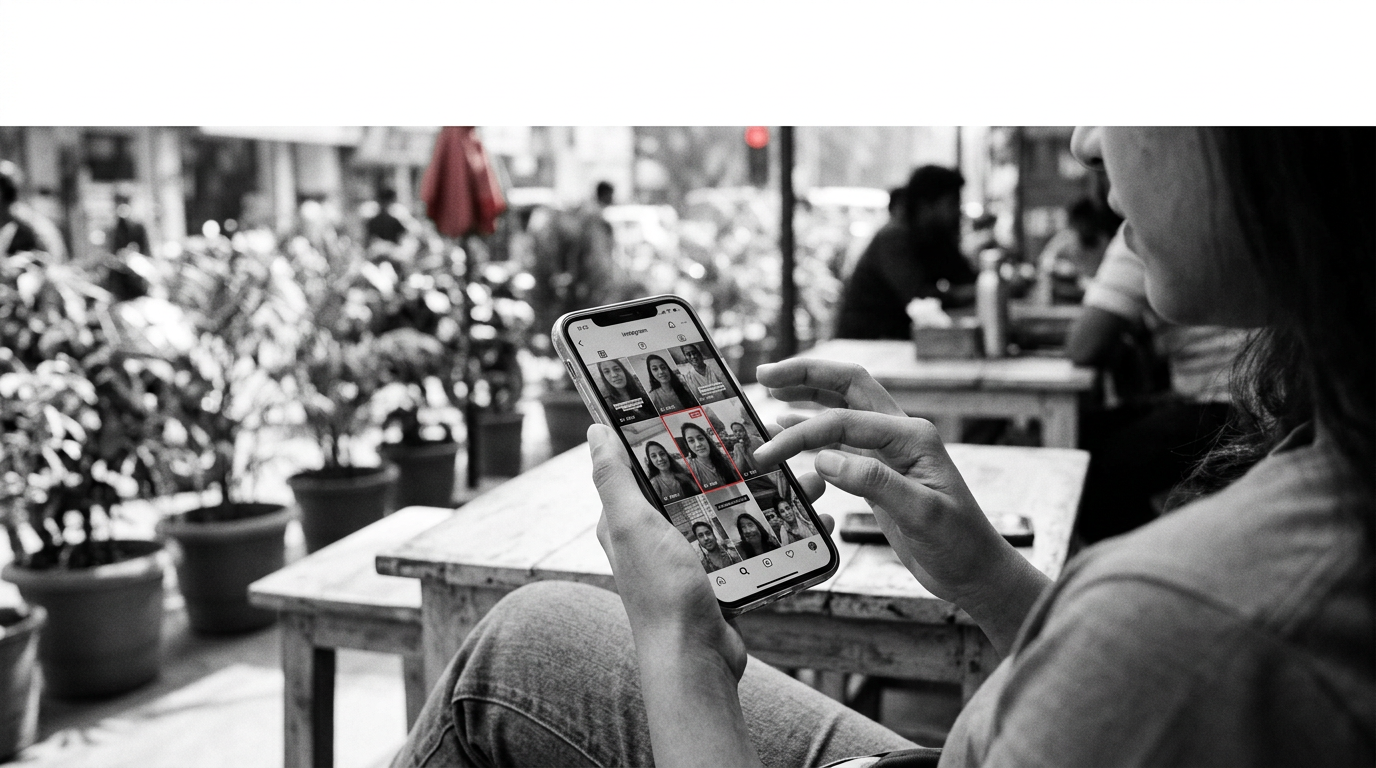
India's ruling Bharatiya Janata Party (BJP), led by Prime Minister Narendra Modi, is fundamentally altering its digital outreach, placing a new emphasis on Instagram to connect with the nation's Generation Z demographic. This strategic adjustment follows recent youth-driven protests that successfully leveraged social media, particularly through memes and viral videos, leading to the resignation of Education Minister Dharmendra Pradhan earlier in the year.
Historically, the BJP has relied heavily on platforms like WhatsApp and X for political communication. However, the party now seeks to adopt more casual, authentic, and 'selfie-style' video formats. This initiative aims to cultivate stronger ties with voters under 35, a segment projected to constitute one of India's largest electoral blocs by the 2029 general election.
Responding to Youth Activism
The BJP's renewed focus on Instagram directly responds to the significant influence demonstrated by youth-led movements. These protests gained considerable momentum, showcasing the power of online platforms in mobilizing public sentiment. Social media campaigns, which frequently employed satirical memes and short viral videos, translated online engagement into tangible political pressure, culminating in a federal minister's departure.
This development highlights a broader trend where digital activism among younger generations increasingly shapes political outcomes. The capacity of young people to unite around specific issues and rapidly disseminate their messages through social media channels has prompted political parties to re-evaluate their engagement strategies and adapt to the evolving digital landscape.
Challenges in Digital Integration
Despite these concentrated efforts, the BJP's transition to a visual-centric platform like Instagram is encountering notable difficulties. Analysts observe that the party's traditional top-down communication model struggles to align with Instagram's algorithm, which prioritizes organic, engagement-driven content that is often peer-generated.
Initial attempts by the BJP to produce content tailored for a younger audience have been met with skepticism and, in some instances, ridicule from Gen Z users. Many individuals in this demographic reportedly value substantive policy discussions and genuine responsiveness over mere stylistic imitation. For example, a video featuring a prolonged pause by Prime Minister Modi was widely parodied, while other party-produced content attempting to incorporate pop-culture references was labeled as "cringe" by its intended audience. The party's effectiveness in converting this digital outreach into authentic political support and regaining control of the online narrative remains uncertain. The ultimate success of this strategy depends on the BJP's ability to overcome perceptions of inauthenticity and deliver messages that genuinely resonate with the values and concerns of a digitally native generation. Future general elections in India will increasingly hinge on political parties' mastery of these intricate and rapidly evolving digital ecosystems.