Iranian President Seeks End to US Hostilities Amid Sanctions
Iranian President Masoud Pezeshkian called for de-escalation with the US, while Washington plans new sanctions amid ongoing Strait of Hormuz tensions.
Lauren Collins ·
Iranian President Masoud Pezeshkian announced on Friday his government's intention to end the ongoing hostilities with the United States, asserting that Tehran is approaching discussions from a position of inherent strength. This statement follows several months of heightened tension and the recent expiration of a memorandum of understanding signed between the two nations in June.
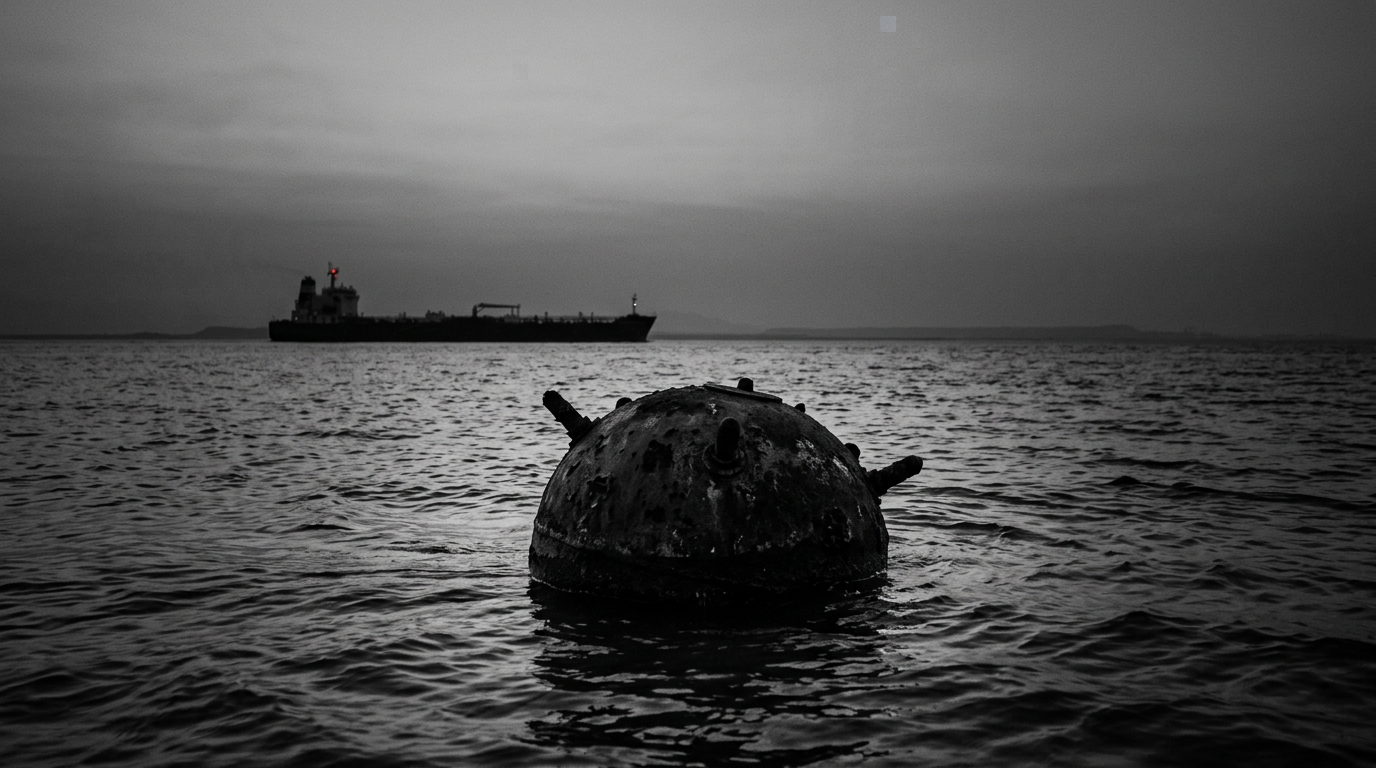
Despite President Pezeshkian's call for reduced tensions, reports indicate that Iran's military leadership continues to maintain a state of readiness for potential future engagements. Simultaneously, Iranian forces are still partially restricting passage through the Strait of Hormuz, a crucial global maritime chokepoint. This action has prompted the United States to deploy a naval blockade to safeguard tanker convoys navigating the strait.
Escalating Economic Pressure from Washington
The diplomatic deadlock persists, with U.S. officials now focusing on intensifying economic pressure against the Iranian government. Treasury Secretary Scott Bessent is scheduled to announce a new campaign of sanctions on Monday. This forthcoming measure represents a strategic shift from previous military interventions toward financial tactics designed to impact the Iranian administration.
In Washington, President Trump expressed skepticism regarding Tehran's current willingness to engage in a viable agreement. He reiterated the United States' strategic control over the broader region and issued a warning of economic repercussions for any country providing what he termed a "lifeline to Iran." These statements underline the U.S. administration's firm stance and its intent to isolate Iran economically.
International Responses and Mediation Efforts
International reactions to President Pezeshkian's recent remarks and the impending U.S. sanctions remain varied. China has openly criticized the U.S. sanctions strategy, deeming it counterproductive to regional stability. Beijing has advocated for political and diplomatic resolutions as the preferred path forward for de-escalation.
Separately, Oman has been actively involved in mediation efforts, holding discussions with Iranian officials. These talks aim to explore potential conditions under which formal negotiations between Iran and the United States could resume. Such diplomatic overtures are occurring amidst persistently escalating tensions, signaling a search for pathways to de-escalate the current confrontation.
Domestic Context and Historical Backdrop
Domestically, President Pezeshkian is also working to address internal criticism concerning potential concessions in any future agreement with the U.S. By emphasizing Iran's negotiating strength, Pezeshkian seeks to reassure these factions and reinforce his government's standing on the international stage.
The current state of U.S.-Iran relations is deeply rooted in decades of complex historical events, including the 1979 Iranian Revolution, the subsequent hostage crisis, and various sanctions regimes. The 2015 Joint Comprehensive Plan of Action (JCPOA), or Iran nuclear deal, briefly offered a path to de-escalation but was later abandoned by the U.S. administration. This withdrawal led to the re-imposition of sanctions and a resurgence of tensions, contributing to the current environment where both military postures and economic pressures are prominent. The Strait of Hormuz, through which a significant portion of the world's oil supply passes, frequently becomes a central point for these geopolitical tensions, amplifying global concerns about energy security.