Russia Faces Fuel Shortages After Drone Strikes
Recent Ukrainian drone attacks on Russian refineries have caused significant domestic fuel shortages, prompting Moscow to resume lower-grade petrol…
Lauren Collins ·
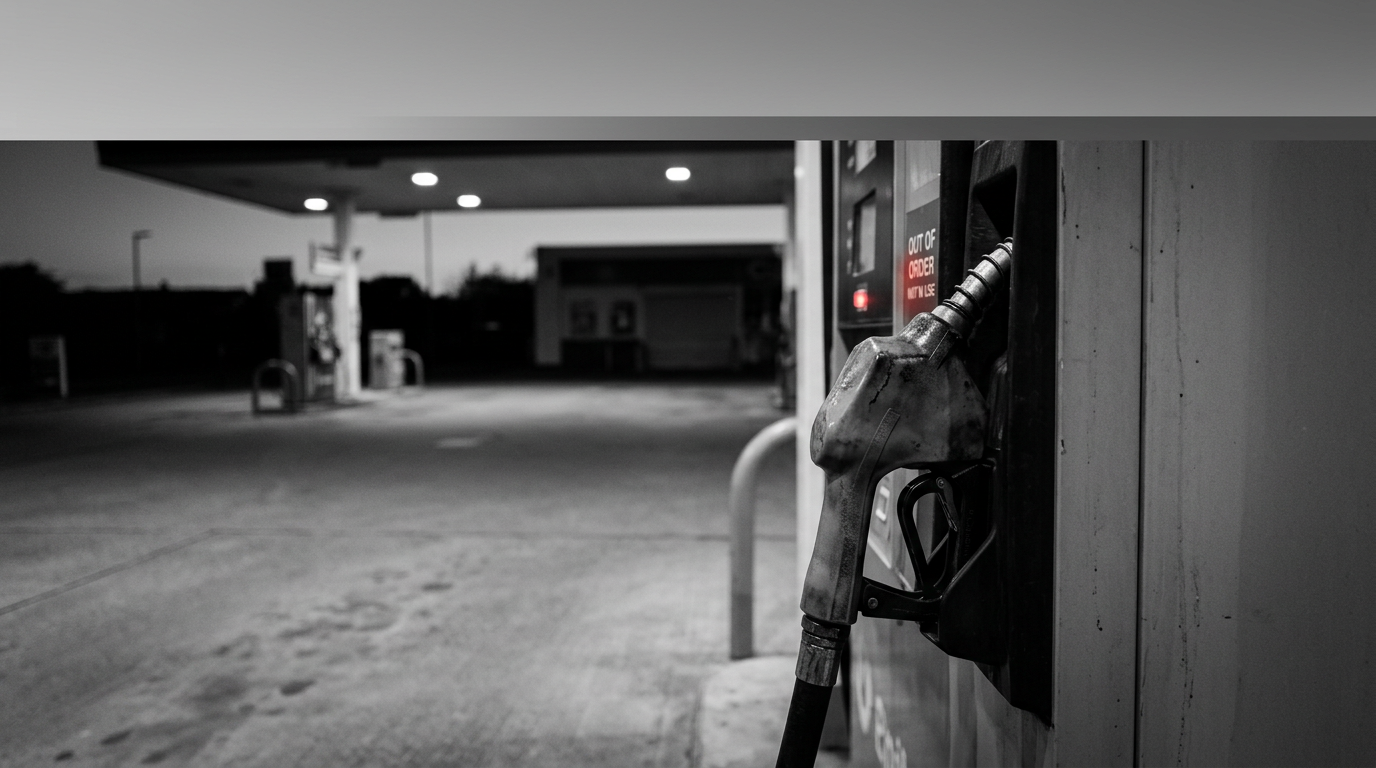
Moscow and its surrounding regions are currently experiencing notable fuel shortages, a direct result of unscheduled repairs at several oil refineries. These disruptions to domestic supply chains follow a series of long-range drone strikes, attributed to Ukrainian forces, targeting critical energy infrastructure within Russia. The Kremlin has been compelled to implement emergency measures to address the instability in its internal fuel market.
Refinery Outages and Emergency Measures
The current fuel crisis is a consequence of these kinetic strikes on Russian refining capacity. This has led to localized distribution failures across the country, particularly affecting motorists in the capital and nearby areas. In response to the growing shortfall, the Russian government has authorized the production of Euro 2 petrol. This specific fuel standard, which contains a higher sulfur content, was previously banned in 2013, highlighting the urgency of the current situation to increase supply.
Further demonstrating the severity of the domestic challenges, Russia, traditionally a significant global energy exporter, has begun importing petrol. This move underscores the extent to which attacks on its refining capabilities have exacerbated internal supply issues, forcing an unprecedented shift in its energy strategy.
Kremlin's Stance and Public Concerns
Despite the evident disruptions, President Vladimir Putin has publicly minimized the long-term impact of these strikes, stating that they have "no critical consequences." However, independent surveys suggest a rising level of societal concern among the Russian populace regarding the economic repercussions. Analysts indicate that the ongoing disruptions reflect a shrinking planning horizon for the Russian economy.
The government appears to be grappling with the dual challenge of sustaining its military operations while simultaneously maintaining essential domestic infrastructure and public order. The energy sector continues to experience considerable logistical strain, impacting daily life and economic stability.
Economic Strain and Future Outlook
Should Ukrainian drone strikes persist at their current intensity, Russia's refining capacity could face prolonged pressure. Such a scenario would likely intensify domestic fuel shortages, potentially increasing reliance on imported fuel and continued production of lower-quality petrol. This would have direct implications for both consumers and environmental standards within the country.
Conversely, if Russia successfully enhances its air defense systems around key energy facilities or reduces the frequency of successful drone attacks, its domestic fuel market might achieve some stability. Nevertheless, the substantial costs associated with these protective measures, coupled with the economic inefficiencies of importing fuel or producing substandard grades, are expected to burden the broader economy for the foreseeable future.