DARPA targets 2,000nm scramjet hypersonic missile
DARPA has launched a programme seeking a scramjet hypersonic cruise missile with 2,000nm range, prioritising survivability and maneuverability.
Mateo Fernandez ·
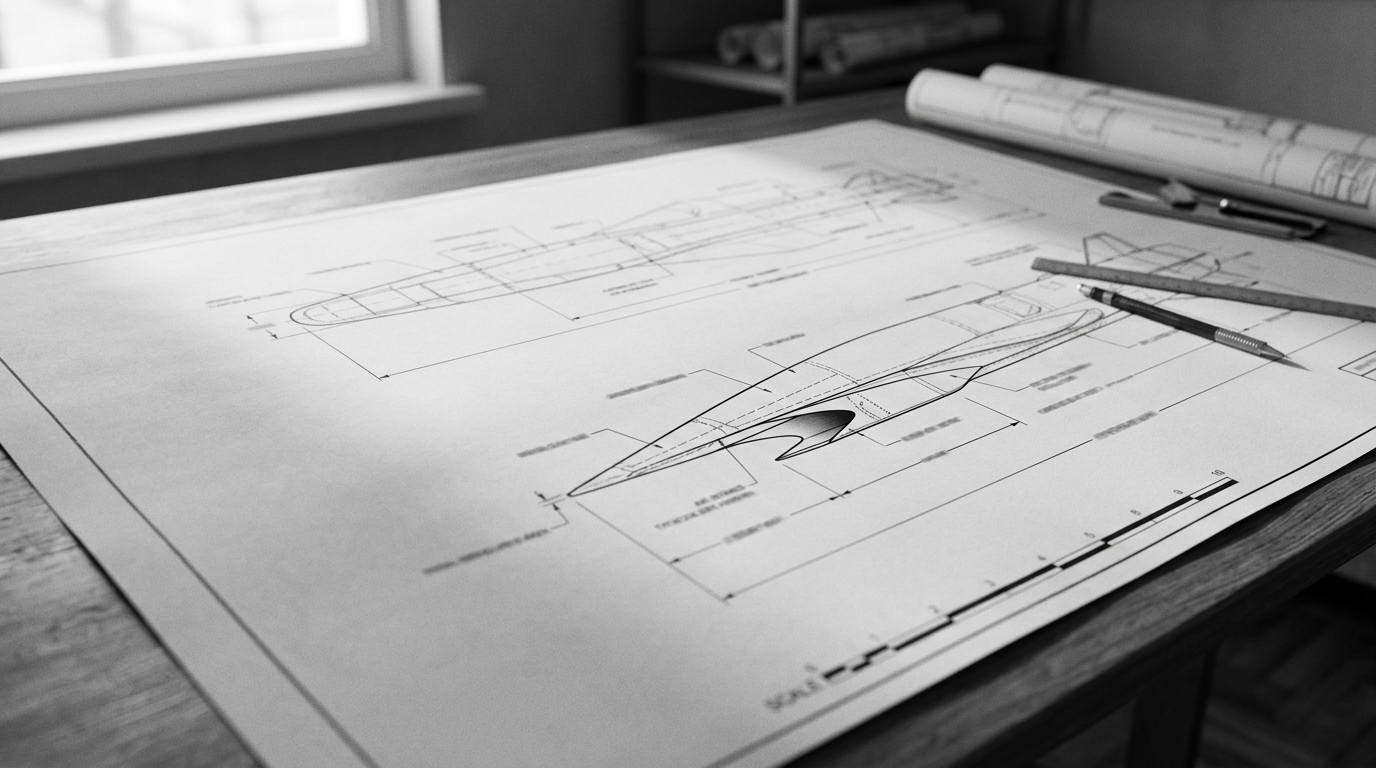
DARPA has started a programme aimed at developing a hypersonic cruise missile that uses scramjet propulsion and is designed to reach a range of 2,000 nautical miles, officials said. The effort is framed around the need to operate from standoff distances while still being able to penetrate advanced air-defence systems.
Officials said the programme puts survivability at the center of the requirement set, citing the growing sophistication of interceptors and integrated air-defence networks. In that context, sustained hypersonic speed and the ability to maneuver are described as essential design features rather than optional enhancements.
Scramjet cruise architecture is the preferred approach
The agency said a scramjet-powered cruise configuration is The agency said a scramjet-powered cruise configuration is the preferred route to combine long range with sustained high-speed flight. Officials portrayed the scramjet cruise concept as a way to maintain hypersonic performance over meaningful distances, aligning propulsion choices with the stated 2,000-nautical-mile objective. Officials said candidate designs being examined combine sustained scramjet propulsion with low-observable shaping and terminal maneuvering. The agency said this package is intended to make the weapon harder to track and intercept, particularly during the later stages of flight when air-defence systems may attempt to engage. Standoff strike and force-posture implications According to officials, the design mix is meant to support strike missions launched from farther away, reducing dependence on forward basing or operating in permissive airspace. The programme description links range and survivability to operational flexibility, especially where access is constrained by dense air defences.
Defence planners said longer-range strike systems that are harder to intercept would change force-posture trade-offs. They said potential effects could include adjustments to basing decisions, reinforcement timelines, and the way allied integration is planned, reflecting how extended reach can shift where forces need to be positioned and how quickly they must move.
Officials stressed the initiative is primarily a technology and capability push at this stage. They added that there is no immediate market impact associated with the current solicitation phase, indicating the effort is still centered on shaping requirements and advancing the concept rather than near-term procurement outcomes.
Timeline focuses on a possible formal solicitation by 2026 Officials said that if a formal solicitation is issued by December 31, 2026, defence contractors would then have a defined procurement window to submit bids. They also said such a milestone would give allied planners a firmer schedule to evaluate potential integration needs, testing pathways, and deterrence-related implications tied to the programme’s progression.
DARPA’s statement leaves open how quickly the programme could transition beyond solicitation activity, and what specific system-level decisions would be made as designs mature. For now, the agency’s published priorities centre on delivering sustained hypersonic speed, maneuverability, and survivability at the stated 2,000-nautical-mile range.