Malaysian Coalition Faces Instability After Election Losses
Malaysian Prime Minister Anwar Ibrahim's administration faces growing political instability following recent electoral setbacks and internal coalition…
Lauren Collins ·
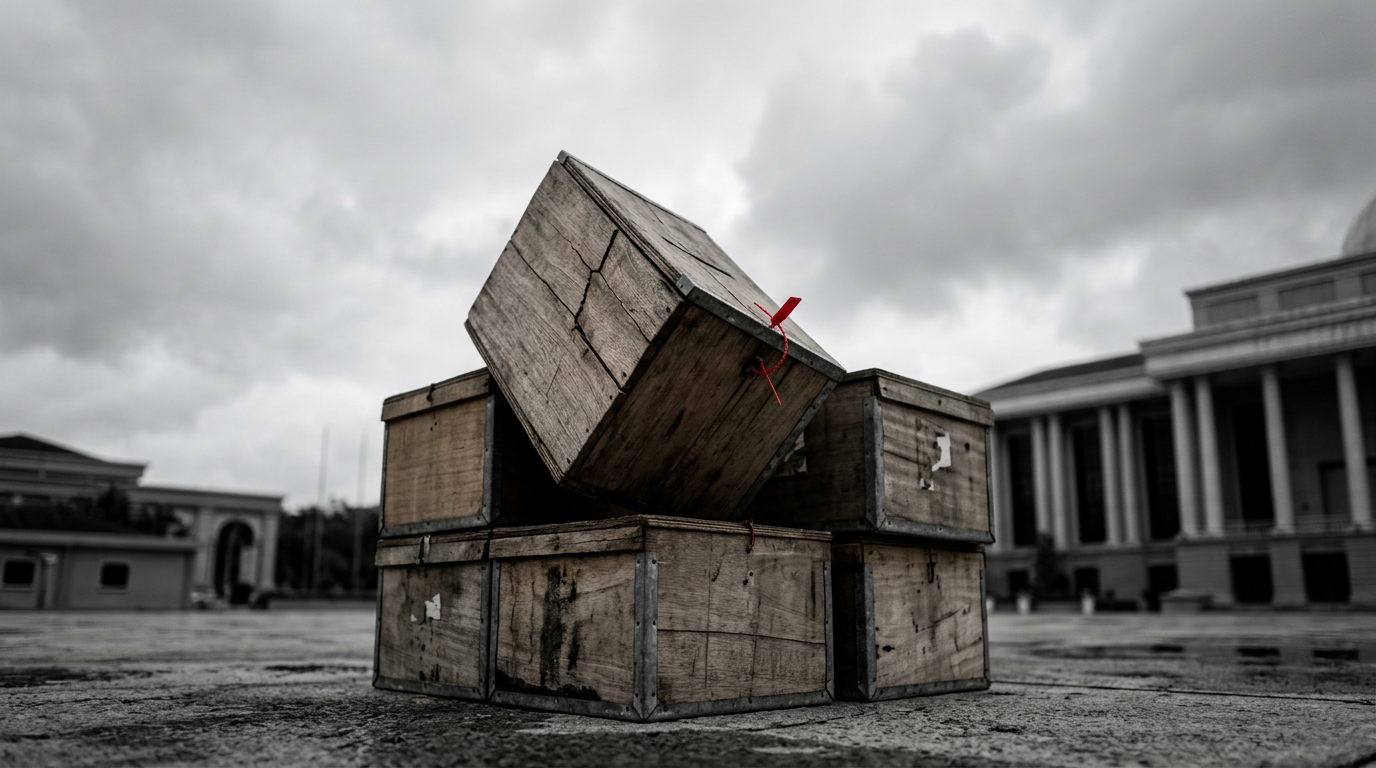
Prime Minister Anwar Ibrahim's administration in Malaysia is experiencing increasing political instability, marked by recent electoral losses and heightened internal tensions among its governing coalition members. Formed in 2022, the government, which includes the United Malays National Organisation (UMNO), is navigating declining public approval amid delays in implementing promised reforms.
Key electoral defeats have significantly challenged the very foundation of the coalition. The necessity of making compromises to secure a parliamentary majority inadvertently empowered UMNO, a party now exerting greater pressure on the coalition's leadership. This resurgence of Malay nationalist sentiment further complicates the government's ability to maintain its political platform and legislative agenda.
Recent Electoral Challenges
The Pakatan Harapan (PH) coalition, led by Prime Minister Anwar, has suffered notable defeats in three state elections since November. These outcomes signal a shift in public sentiment and contribute to ongoing power struggles within the ruling alliance. Such results have granted more leverage to coalition partners, especially UMNO, which is now seeking to assert its influence more vigorously.
Malaysia's current political climate is characterized by a delicate balance of power. Prime Minister Anwar Ibrahim, a prominent figure in Malaysian politics with a long-standing reformist agenda, has advocated for good governance and anti-corruption measures for decades. His ascent to the premiership in late 2022 was widely viewed as a pivotal moment, promising a new era of political stability and economic reform after years of turbulence.
Coalition's Future at Risk
Failure to effectively address these internal power dynamics and recent electoral setbacks poses a direct threat to the administration's long-term viability. There is a tangible risk that the government could lose its mandate before its term concludes. This situation is exacerbated as coalition partners capitalize on their strengthened positions to challenge the Prime Minister’s authority and policy direction.
Historically, Malaysia's political landscape has been complex, defined by shifting alliances and ethnic-based politics. The current government's formation required overcoming significant historical rivalries to achieve the necessary parliamentary majority. The ongoing friction and electoral results highlight the persistent challenges in maintaining unity and delivering on reform promises amidst diverse political interests and a revitalized opposition.
Navigating Future Political Direction
The capacity of Primeister Anwar Ibrahim’s government to navigate these challenges will determine its effectiveness in governance and its ability to fulfill its mandate. Observers are closely monitoring how the administration will respond to the demands of its coalition partners and address the concerns of the electorate, particularly regarding economic stability and ethnic relations. The outcome of these internal struggles will significantly shape Malaysia's political trajectory in the coming years, impacting policy implementation and investor confidence.