Trump Postpones China Visit Amid Domestic Conflict
Trump postpones China trip due to domestic conflict. Treasury Secretary Bessent denies pressure on Beijing regarding the Strait of Hormuz.
Lauren Collins ·
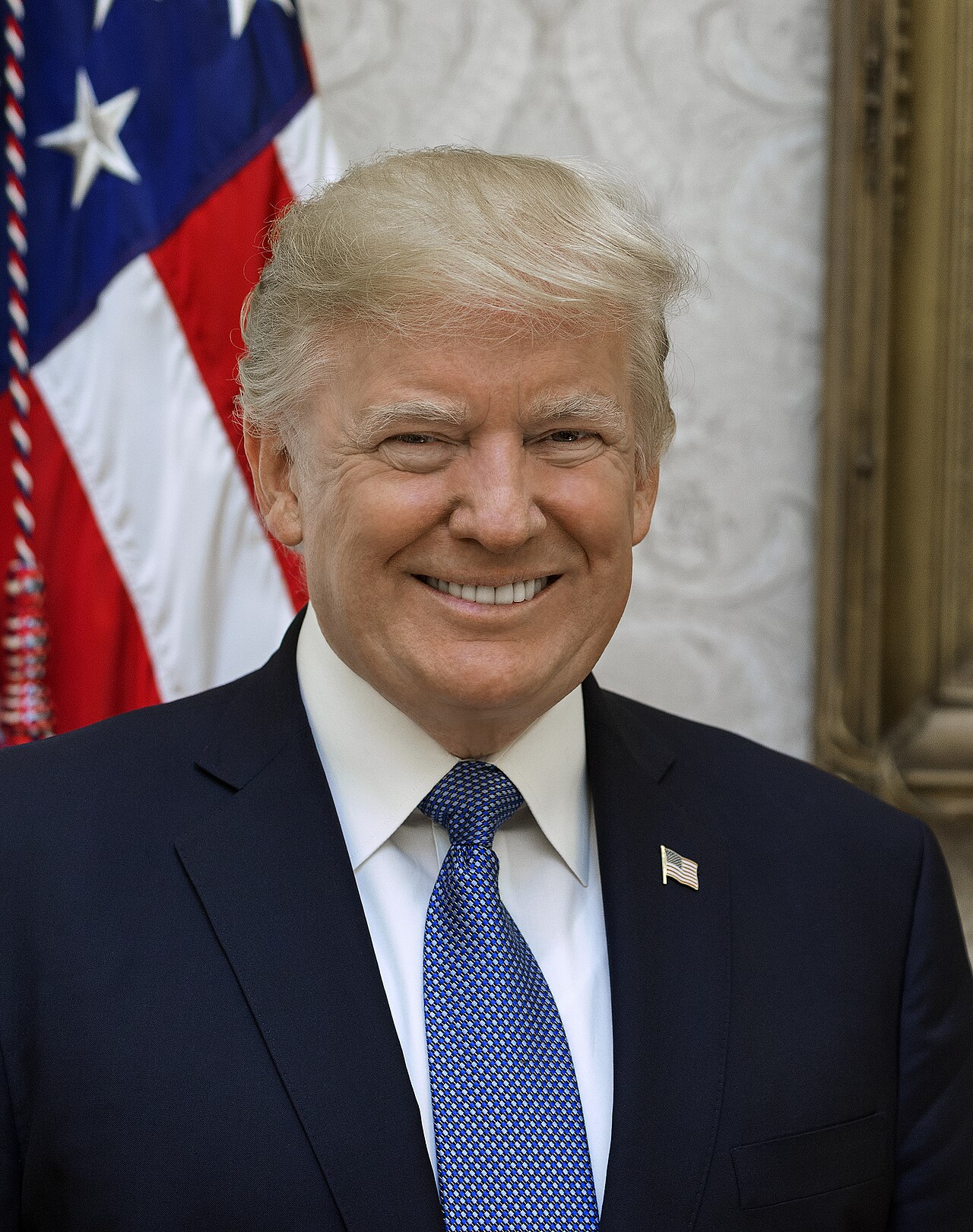
U.S. President Donald Trump has announced a one-month postponement of his scheduled visit to China, where he was slated to meet with President Xi Jinping. The decision, communicated by President Trump, is attributed to his need to remain in the United States to address an unspecified domestic conflict, which he characterized as a "war."
This delay impacts a significant high-level diplomatic engagement between the two global powers. The original purpose of the trip was to facilitate bilateral discussions between the leaders of the United States and China on various geopolitical and economic matters.
### Rationale for Postponement
### Rationale for Postponement
President Trump explicitly stated that his presence in the U.S. was required due to the ongoing domestic situation. While the exact nature of this "war" was not detailed in his public remarks, its perceived importance was sufficient to alter his immediate international travel plans.
### Treasury Secretary Clarifies Motive
Treasury Secretary Scott Bessent subsequently addressed speculation regarding
Treasury Secretary Scott Bessent subsequently addressed speculation regarding the postponement. Bessent refuted what he termed a "false narrative" suggesting the delay was a tactic to pressure Beijing into intervening in the Strait of Hormuz. He emphasized that the rescheduling was not linked to any demands for China to assume a policing role in the critical maritime chokepoint.
### Diplomatic Implications
The postponement underscores the U.S. administration's prioritization of domestic issues during a period of international complexities. While the delay is officially unrelated to the Strait of Hormuz, the region remains a focal point of global security concerns, particularly regarding oil transit and maritime stability.
### Broader Context of U.S.-China Relations
U.S.-China relations have been characterized by a mix of cooperation and competition across various domains, including trade, technology, and regional security. High-level meetings between the two presidents are crucial for managing these complex dynamics and addressing areas of potential friction. The rescheduling of such a meeting can introduce uncertainty into diplomatic calendars and market expectations.
Historically, presidential visits are meticulously planned and carry significant symbolic weight, often signaling a commitment to dialogue and problem-solving. Any alteration to these plans is typically scrutinized for underlying political or strategic motivations, even when official explanations are provided. The current delay highlights the fluid nature of international diplomacy, particularly when domestic considerations intersect with foreign policy objectives.