Sri Lanka Implements Fuel Conservation Measures
Sri Lanka implements a Wednesday public holiday and fuel rationing to conserve energy amid rising global oil prices and geopolitical tensions.
Lauren Collins ·
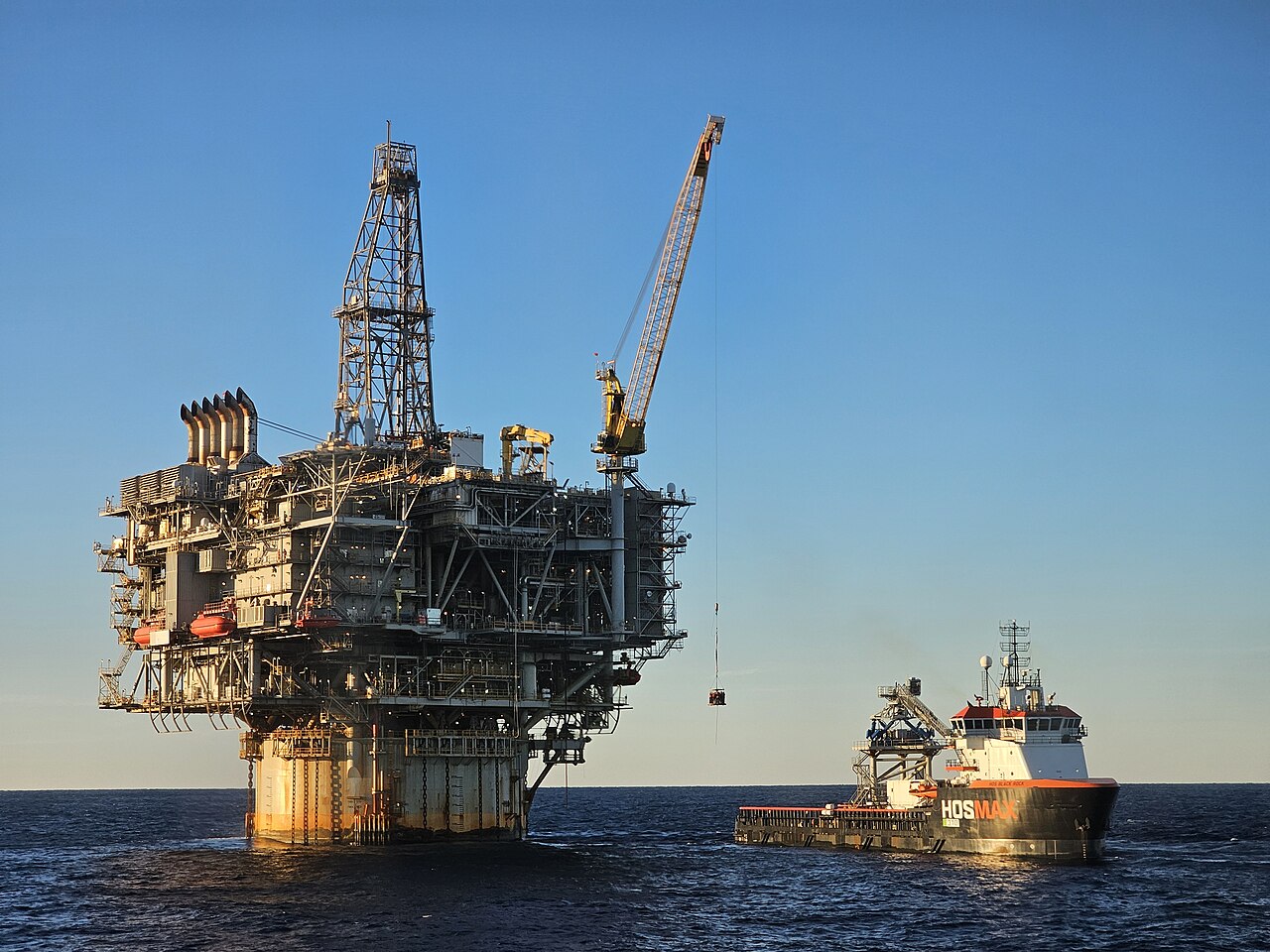
Sri Lanka has introduced a mandatory weekly public holiday on Wednesdays to mitigate fuel consumption, a directive that took effect immediately. President Anura Kumara Dissanayake announced the measure on Monday, citing rising global oil prices as a primary driver. This initiative aims to preempt potential fuel shortages across the island nation.
The new four-day work week applies to educational institutions, including schools and universities, but excludes critical public services. This policy reflects broader concerns about energy security, particularly given the country's past economic challenges.
National Fuel Pass System Introduced
In conjunction with the new holiday, a National Fuel Pass system has been implemented to ration fuel distribution. Private vehicles are now limited to 15 liters of fuel, while motorcycles are restricted to 5 liters. This rationing mechanism is a reintroduction of measures first established during the severe economic crisis of 2022.
During the 2022 crisis, Sri Lanka faced significant foreign reserve depletion, which severely hampered its ability to import essential goods, including petroleum products. The current global geopolitical landscape, marked by recent military actions involving the United States, Israel, and Iran, has contributed to a surge in international oil prices, reaching approximately $100 per barrel.
Regional Austerity Measures
Other Asian nations are also adopting austerity measures in response to the volatile geopolitical situation impacting global oil supplies. The Strait of Hormuz, a critical maritime chokepoint, historically facilitates the transit of nearly 90% of the region's oil and gas, making the area's stability crucial for energy markets.
Thailand, for instance, is encouraging short-sleeved attire to reduce reliance on air conditioning, thereby cutting electricity consumption. Myanmar has imposed restrictions on private vehicle usage based on license plate numbers, while Bangladesh has adjusted Ramadan holidays and implemented scheduled power outages to conserve energy.
Economic and Geopolitical Context
The Philippines has mandated remote work for certain government employees, and Vietnam is promoting reduced personal vehicle use among its citizens. These regional responses underscore a collective effort to manage energy demand amidst global supply uncertainties and price volatility.
Sri Lanka's proactive steps are designed to safeguard its energy reserves and stabilize its economy, which remains vulnerable to external shocks. The government's actions reflect a cautious approach to resource management, drawing lessons from its recent history of economic instability and foreign exchange shortages.
Implications
Country Impact: Sri Lanka's economy faces continued pressure from global energy prices, necessitating domestic conservation. The four-day work week and fuel rationing could impact productivity and daily life for citizens, while aiming to stabilize national reserves.
Industry Impact: Industries reliant on transportation and energy, particularly those not deemed essential services, will experience operational adjustments due to the reduced work week and fuel limitations. This may lead to supply chain disruptions and increased operational costs for some sectors.
Market Impact: The measures could signal ongoing economic fragility in Sri Lanka, potentially affecting investor confidence and the valuation of local assets. Regional energy markets may see continued volatility as other Asian nations also implement austerity, reflecting broader geopolitical risks to oil supplies.