Trump Calls for Hormuz Strait Naval Coalition
Donald Trump advocates for a seven-nation naval coalition to secure the Strait of Hormuz amid rising global oil prices and regional tensions.
Lauren Collins ·
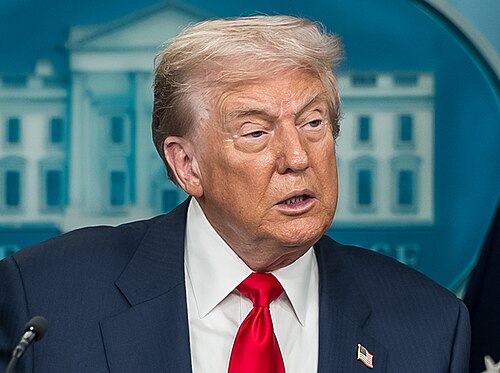
Former U.S. President Donald Trump has advocated for the formation of a naval coalition comprising approximately seven nations to safeguard maritime transit through the Strait of Hormuz. This proposal emerged amidst recent disruptions to shipping in the critical waterway, which have contributed to an increase in global oil prices.
Trump articulated his position to journalists while traveling on Air Force One and further elaborated on his views in an interview with the Financial Times. He suggested that the North Atlantic Treaty Organization (NATO) faces significant challenges if member states do not contribute to securing the strait, a vital global shipping lane.
Strait of Hormuz Significance
The Strait of Hormuz is a narrow passage connecting the Persian Gulf with the Arabian Sea and the open ocean. It is one of the world's most strategically important chokepoints for oil transit, with a substantial portion of the world's seaborne oil passing through it daily. Disruptions in this area can have immediate and significant impacts on international energy markets.
Recent incidents in the region have highlighted the vulnerability of commercial shipping. In March, only a limited number of vessels, including the Liberia-flagged Shenlong Suezmax tanker, successfully navigated the strait, indicating heightened operational risks.
Regional Tensions and Diplomatic Responses
Trump's call for a coalition coincides with escalating tensions across the broader Middle East. These tensions include recent missile strikes, such as an incident in Abu Dhabi where a Palestinian civilian was killed when a missile struck a vehicle in the Al Bahia area. Authorities are currently investigating this event.
Separately, Dubai's primary international airport temporarily halted flight operations following a security alert, though services have since resumed. These incidents underscore the volatile security environment impacting regional stability and international commerce.
International Discussions and European Stance
European Union foreign ministers are scheduled to convene to discuss the ongoing Middle East conflict. However, Germany has expressed reservations regarding the potential expansion of the existing EU naval mission to include operations in the Strait of Hormuz. This indicates a divergence in approaches among international allies regarding military engagement in the region.
Meanwhile, Israel has indicated an expectation that the current conflict will persist for an additional three weeks. The protracted nature of regional conflicts continues to influence global political and economic considerations, particularly concerning energy security and maritime trade routes.
Historical Context of Hormuz Security
The security of the Strait of Hormuz has been a recurring international concern, particularly since the 1980s during the Iran-Iraq War, when both sides targeted shipping. Various international naval presences have been established over the decades to deter aggression and ensure freedom of navigation. The current discussions reflect a renewed focus on safeguarding this critical chokepoint against contemporary threats and geopolitical rivalries.
Implications
Country Impact: The proposed coalition could reshape regional security dynamics, potentially increasing military presence and diplomatic pressure on nations bordering the Strait of Hormuz. Divergent views among EU members, like Germany's skepticism, highlight internal political challenges in forming a unified international response.
Industry Impact: Increased security concerns and disruptions in the Strait of Hormuz directly impact the global oil and gas industry, leading to higher shipping insurance costs and volatile crude oil prices. The uncertainty could also affect supply chain reliability for other goods transiting the region.
Market Impact: Global energy markets are likely to react to any perceived threat or enhancement of security in the Strait of Hormuz, with oil prices fluctuating based on transit safety. Broader geopolitical tensions could also influence investor confidence in regional assets and global shipping stocks.