Trump Seeks Coalition for Hormuz Reopening
Trump reportedly forming coalition to reopen Strait of Hormuz, a critical oil chokepoint, after Iranian disruptions.
Lauren Collins ·
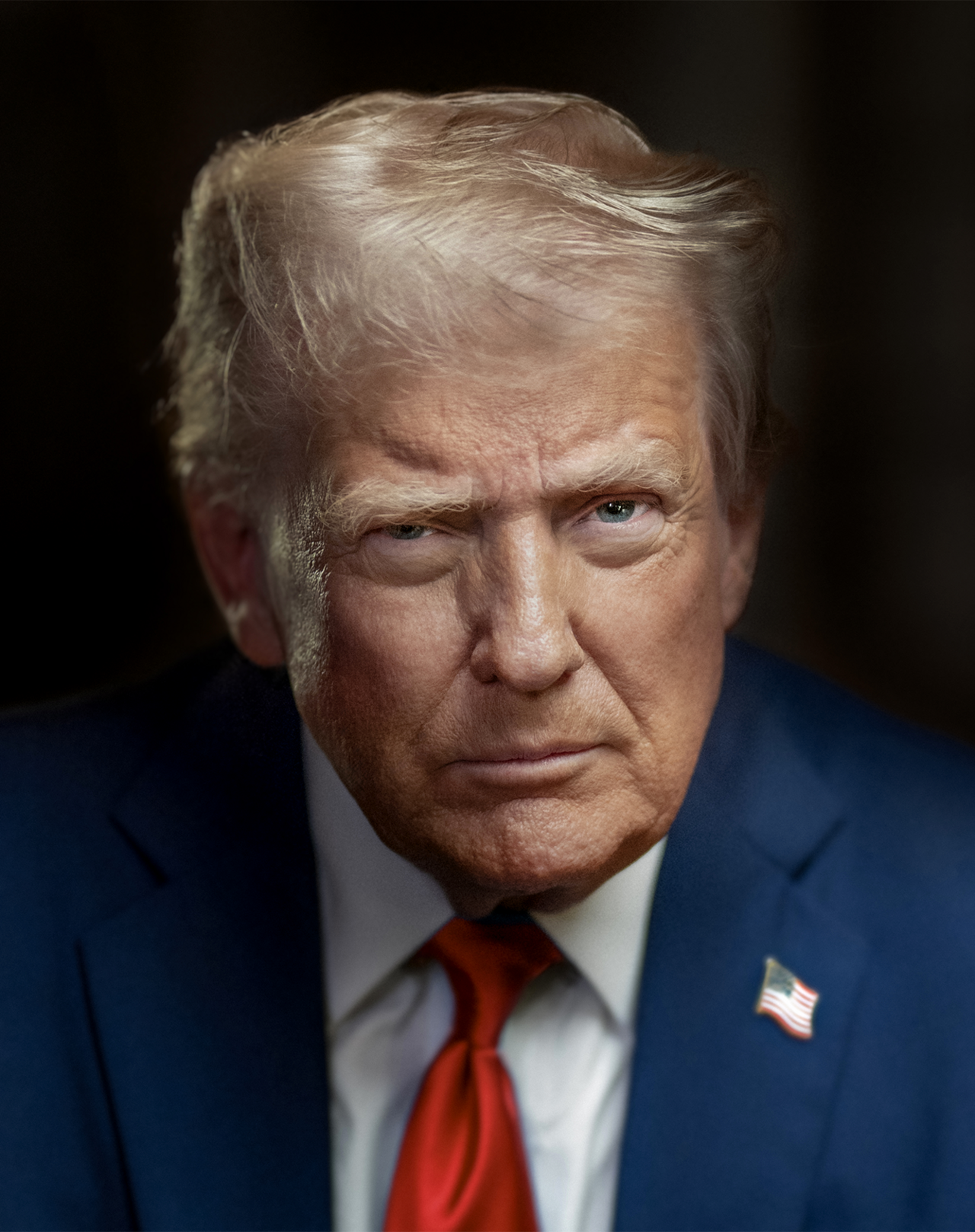
President Donald Trump is reportedly pursuing the formation of an international coalition aimed at ensuring the free passage of vessels through the Strait of Hormuz. An official announcement regarding this initiative is expected later this week. This diplomatic effort comes in response to recent actions by Iran that have significantly impeded maritime traffic in the critical waterway.
The Strait of Hormuz, a narrow passage connecting the Persian Gulf to the open ocean, is a vital chokepoint for global energy markets. Approximately one-fifth of the world's total oil supply, alongside a substantial volume of liquefied natural gas (LNG), transits through this strait daily. Disruptions in this area have immediate and far-reaching implications for international trade and energy security.
Recent tensions in the region have led to increased oil prices and heightened concerns among global powers. The United States has previously called upon various nations to contribute naval assets to the area to safeguard commercial shipping. However, the international community's response to these calls for military deployment has been largely restrained.
The proposed coalition seeks to establish a unified front to deter further disruptions and maintain stability in the Persian Gulf. The strategy involves diplomatic engagement to secure commitments from allied nations for joint patrols or other security measures. The objective is to restore confidence in the safety of navigation through the strait without escalating military confrontations.
Historically, the Strait of Hormuz has been a flashpoint for geopolitical tensions, particularly involving Iran, which borders the northern side of the strait. Any prolonged closure or significant impediment to shipping would have severe economic consequences globally, affecting energy prices, supply chains, and insurance costs for maritime transport. S. administration views the unimpeded flow of commerce through the strait as a matter of international economic stability and national security.
Diplomatic efforts are underway to gauge the willingness of key allies in Europe and Asia to participate in such a coalition. The success of this initiative will depend on overcoming potential reluctance from countries wary of being drawn into direct confrontation with Iran, while also addressing their own energy security concerns. The coming days will reveal the extent of international support for this U.S.-led effort to de-escalate tensions and secure the vital shipping lane.
Implications
Country Impact: The formation of a coalition could solidify alliances or expose divisions among nations regarding regional security. Countries heavily reliant on Middle Eastern oil, particularly in Asia and Europe, face direct economic implications from any disruption.
Industry Impact: The energy sector, including oil and gas companies, faces increased volatility and supply chain risks. Shipping and insurance industries would see heightened costs and operational challenges due to perceived security threats in the Persian Gulf.
Market Impact: Global oil prices are likely to react to developments, with potential for upward pressure if tensions escalate or downward pressure if stability is restored. Equity markets could show volatility, particularly in energy and logistics sectors, while bond markets might reflect increased geopolitical risk.