Trump Administration's Iran Strategy Lacks Clarity
The Trump administration's Iran strategy faces international scrutiny as the conflict enters its third week, causing oil prices to surge above $100.
Lauren Collins ·
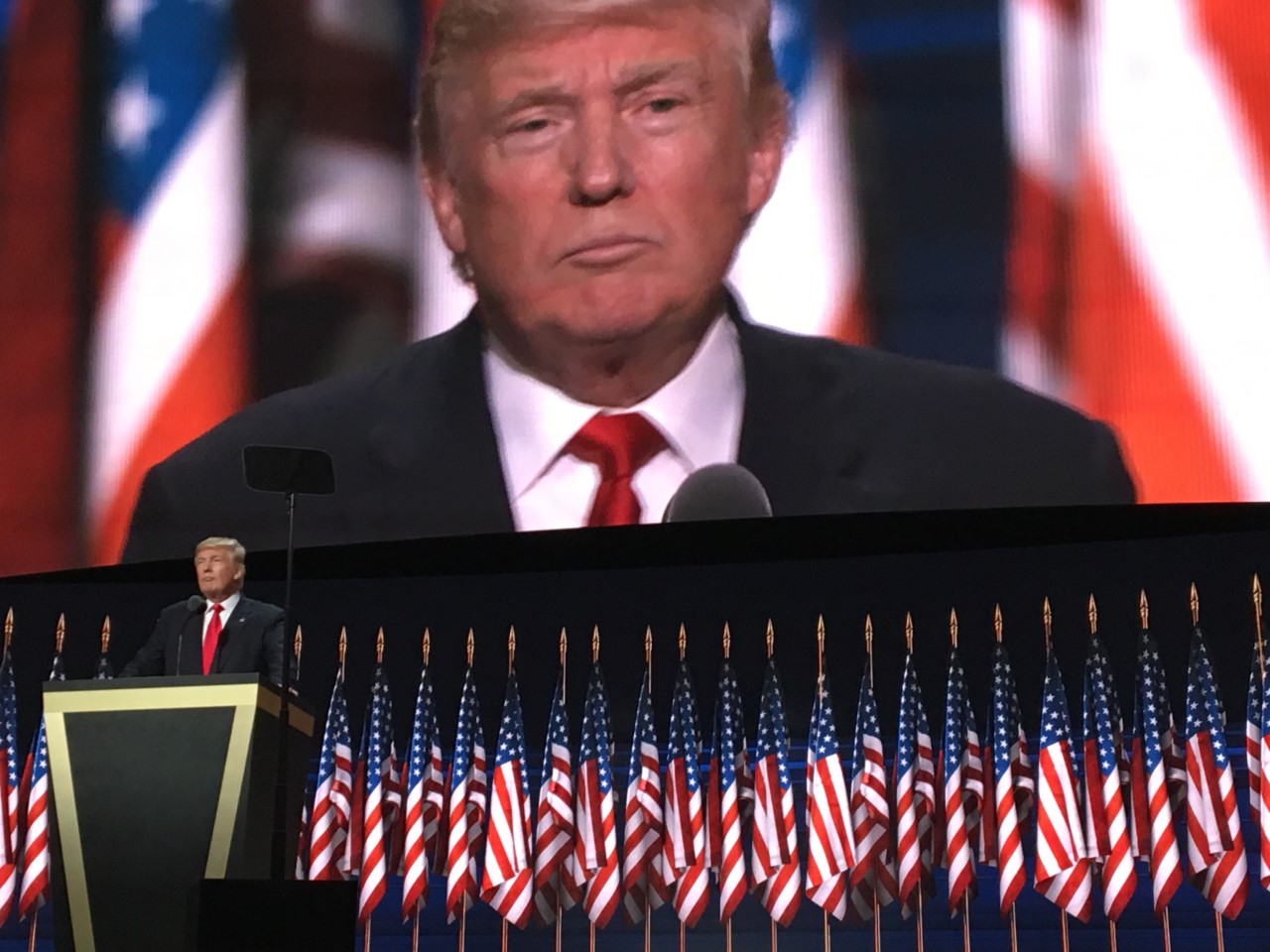
The Trump administration's strategy regarding the ongoing conflict with Iran, now in its third week as of mid-March 2026, faces scrutiny from both international allies and adversaries. Uncertainty persists regarding the conflict's ultimate objectives and its projected duration, with President Trump's public statements on an endgame described as inconsistent.
This prolonged engagement has significantly disrupted global energy markets. The Strait of Hormuz, a vital maritime chokepoint through which approximately one-fifth of the world's oil supply and a substantial portion of liquefied natural gas transits, has experienced considerable instability. Consequently, global oil prices have surged, exceeding $100 per barrel, leading to broader economic repercussions worldwide.
Escalation and Objectives
President Trump has publicly affirmed that the conflict will persist until these stated goals are achieved. Concurrently, the administration has sought international cooperation to enhance security within the Strait of Hormuz, emphasizing the need for collective action to safeguard this critical shipping lane.
International Response and Negotiations
These diplomatic overtures highlight a divergence in approaches between the U.S. and some of its traditional partners. While the U.S. maintains a confrontational stance, other nations are exploring avenues for dialogue to mitigate the economic and security risks posed by the ongoing hostilities. The lack of a unified international front further complicates the resolution of the conflict and the establishment of a clear path forward.
Regional Stability Concerns
The international community's call for clarity on the conflict's objectives reflects a desire to understand the parameters of engagement and to identify potential off-ramps for de-escalation. Without a coherent and widely supported strategy, the conflict risks becoming a prolonged and destabilizing factor in global geopolitics and economics.
Implications
Country Impact: The U.S. faces challenges in securing international support for its Iran policy, with allies showing reluctance to commit resources. Iran continues its regional military actions despite U.S. and Israeli pressure, impacting its neighbors.
Industry Impact: The global energy sector is significantly affected, with oil prices exceeding $100 per barrel due to disruptions in the Strait of Hormuz. Shipping and maritime insurance industries face increased risks and costs in the region.
Market Impact: Global financial markets are experiencing volatility, particularly in energy commodities. The uncertainty surrounding the conflict's duration and objectives contributes to investor caution and potential economic slowdowns worldwide.