Iran Escalates Attacks on Gulf Shipping, Oil Facilities
Iran has escalated attacks on oil tankers and energy infrastructure in the Middle East, particularly in Iraqi waters, threatening global energy markets.
Cuneyd Erdogan ·
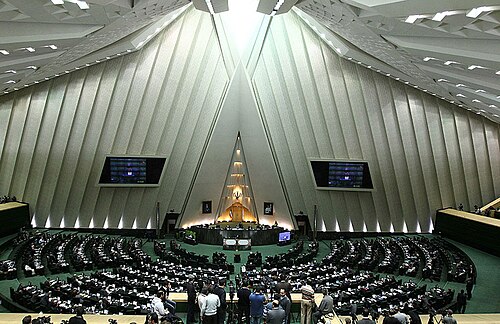
Recent reports indicate Iran has intensified its targeting of maritime and energy infrastructure across the Middle East. This escalation includes alleged attacks on two oil tankers within Iraqi territorial waters, signaling a broader campaign to disrupt regional energy markets and transportation routes. The incidents underscore rising tensions in the Persian Gulf, a critical waterway for global oil shipments.
Escalation in Maritime Operations
The recent actions by Iranian forces or proxies mark a significant increase in aggressive maneuvers against commercial shipping and oil terminals. These operations are concentrated in strategic areas of the Gulf, including key shipping lanes and facilities vital for oil exports. The specific targeting of tankers in Iraqi waters suggests an expansion of the operational scope beyond previous incidents.
Strategic Objectives and Regional Impact
Analysts suggest Iran's intensified activities aim to exert pressure on international powers and regional rivals, particularly concerning sanctions and broader geopolitical disputes. By threatening energy supply lines, Tehran seeks to demonstrate its capacity to destabilize global oil markets, potentially influencing crude prices and international policy decisions. The Strait of Hormuz, a narrow chokepoint, remains central to these strategic considerations.
Historical Context of Tensions
This current wave of incidents follows a pattern of intermittent aggression in the region, including previous attacks on tankers and drone strikes on oil facilities. Such actions have historically led to spikes in oil prices and increased insurance premiums for maritime traffic in the Gulf. The international community has repeatedly called for de-escalation to ensure the free flow of commerce through these vital waterways.
International Response and Market Implications
Global powers are closely monitoring the situation, with concerns rising over potential disruptions to the world's oil supply. Any sustained interference with shipping in the Gulf could have significant repercussions for energy security and global economic stability. Oil markets typically react to such geopolitical risks with increased volatility, reflecting uncertainty about future supply.
Outlook for Regional Stability
The ongoing escalation poses a substantial challenge to regional stability and international maritime security. The frequency and nature of these attacks suggest a deliberate strategy to maintain a high level of tension. Future developments will likely depend on the diplomatic responses from affected nations and the broader international community, as well as Iran's continued assessment of its strategic objectives.
Implications
Country Impact: Regional countries, particularly Iraq and Gulf states, face heightened security risks and potential economic disruption due to attacks on their energy infrastructure and maritime routes. This could strain diplomatic relations and necessitate increased defense spending.
Industry Impact: The global oil and shipping industries are directly impacted by increased risks in the Persian Gulf. Higher insurance premiums, rerouting of vessels, and potential supply chain disruptions could lead to increased operational costs and market volatility.
Market Impact: Global energy markets are likely to experience price volatility for crude oil and refined products. Uncertainty surrounding supply security from the Middle East could drive up commodity prices and impact investor confidence in the region.