US Seizes Iranian Ship Amidst Ceasefire Tensions
U.S. seizes Iranian-flagged vessel on April 19, 2026, straining the ceasefire as Iran threatens retaliation and oil prices rise.
Lauren Collins ·
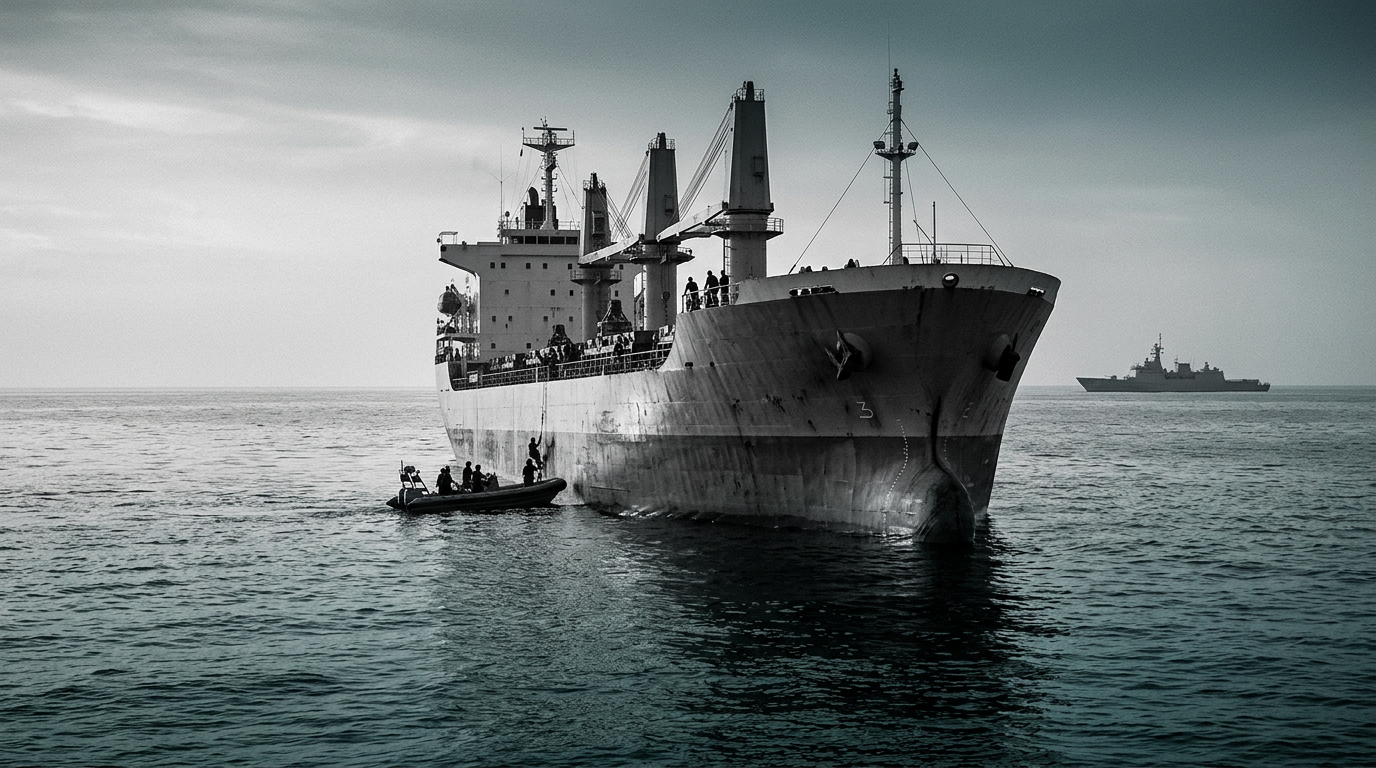
U.S.-Iran tensions rose again after the United States seized an Iranian-flagged vessel on Sunday, April 19, 2026, in the Gulf of Oman, putting the existing ceasefire under renewed strain. U.S. President Donald Trump said U.S. Marines took custody of a ship that was attempting to bypass an American blockade on Iranian ports. Iran responded by threatening retaliation and saying it would not take part in new talks, while accusing the United States of breaching the ceasefire.
U.S. Central Command described the seizure as enforcement of the blockade and released footage tied to the incident. The material depicts the destroyer USS Spruance firing on the Iranian-flagged tanker, the Touska, after a warning was issued. Officials said the video shows the moments before the Touska was taken for crossing the U.S.-imposed blockade line.
The episode quickly fed into energy-market volatility , with oil prices rising as uncertainty increased around the Strait of Hormuz and the prospects for continued negotiations. The Gulf of Oman sits near key shipping routes linked to the Strait of Hormuz, a chokepoint that is closely watched by traders and governments because disruptions can affect global supply flows and freight costs.
The latest seizure, combined with Iran’s stated refusal to join new talks, has added to doubts about whether the ceasefire can hold.
The incident also lands amid a wider conflict with heavy human costs . Officials said the broader confrontation has led to over 5,000 fatalities since it began. Against that backdrop, the seizure and the accompanying statements from both sides were presented as signs of escalating pressure on diplomatic efforts aimed at maintaining regional stability.
Regional governments signaled heightened security concerns as the situation developed. Bahrain announced it will review citizenship for individuals it deems a threat to its security, a move described as reflecting broader anxieties across the region. The announcement came as the maritime incident and the ceasefire dispute drew attention to the risk of spillover effects beyond the immediate U.S.-Iran standoff.
Key uncertainties remain , including how Iran will act on its threat of retaliation and whether any channel for renewed talks can be restored after Tehran’s declaration that it will not participate. The durability of the ceasefire is also unclear following the U.S. action and Iran’s accusation of a violation. For markets and policymakers, the immediate focus is on whether shipping conditions around the Strait of Hormuz remain stable as the diplomatic track faces new obstacles.