Microsoft says 300,000 people try Minecraft daily, but the metric obscures the real business
Xbox leadership reports 300,000 new Minecraft players daily, highlighting the game's evolution from a retail product into a platform-agnostic service.
Jason Kwon ·
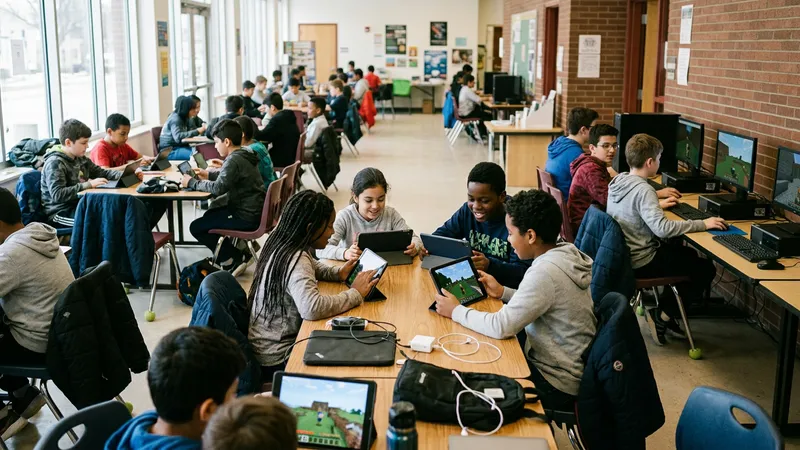
Microsoft's Xbox division claims its flagship property is still attracting roughly 300,000 new players every single day, according to a Eurogamer report detailing comments from the company's gaming leadership. That is a staggering top-of-funnel acquisition figure for a title originally released more than a decade ago, underscoring its unique position as foundational digital infrastructure rather than a traditional video game release. It is a flex designed to remind competitors of Microsoft's scale in an era where most live-service titles struggle to find an audience.
But the specific phrasing used by the Xbox boss—noting these are people who "try Minecraft for the first time"—requires a careful translation from marketing speak into business reality. In the modern games industry, a "player" is rarely the same thing as a "sale." This daily influx does not mean Microsoft is ringing up 300,000 full-price retail transactions every day. Instead, it reflects a sprawling, multi-platform distribution web that includes Xbox Game Pass, PC Game Pass, mobile app stores, and bundled console hardware. Publishers love quoting whichever metric produces the largest absolute number, and for a game as ubiquitous as this, new account creation will always dwarf direct unit sales. The difference between someone launching a game from a subscription catalogue and someone handing over retail cash is the defining gap in modern game economics.
The financial advantage of demographic inevitability
To understand the financial weight of that 300,000 figure, you have to look at what the rest of the industry is currently paying just to get noticed. Across mobile and live-service development, the cost of user acquisition has become punishingly high. Studios spend massive portions of their budgets on targeted advertising, influencer campaigns, and platform featuring just to convince a fraction of that volume to download a client. For most developers, simply getting a player to install the game is the most expensive part of production.
Microsoft is entirely bypassing that friction. The property operates less like a competitive product and more like a demographic rite of passage; kids simply age into it. For the developers at Mojang and the executives at Microsoft Gaming, an organic acquisition funnel of this size changes the fundamental math of game production. They do not have to fight a daily war of attrition to buy back users who churn out, nor do they need to panic when a seasonal update fails to immediately spike engagement.
The gap between trying a game and funding a live service
Yet, top-of-funnel acquisition is only half the spreadsheet. What the company's public boasting deliberately leaves out is the retention curve. If 300,000 people try the game for the first time today, how many of them will still be logging in next month or next year? In the broader live-service sector, a massive influx of curious accounts can frequently mask a leaky bucket. A player who downloads the game via a free Game Pass trial, pokes around a dirt block for a few minutes, and uninstalls is counted in that daily metric just the same as a dedicated user who builds servers for years.
Microsoft is still subject to the basic economic realities of the modern games business: unengaged accounts do not spend money. The revenue engine for a game of this scale relies heavily on the Minecraft Marketplace, where players purchase community-made skins, textures, and worlds using a premium currency. It also relies on recurring revenue from private server rentals. Without clear data on active engagement or average revenue per user, the raw acquisition count is a brilliant marketing headline that obscures the actual financial yield of these new accounts. Critics might rightly point out that a massive top-of-funnel number means nothing if the conversion rate to paying customers is cratering.
The platform leverage embedded in block-building
There is also a strategic layer to how Microsoft wields this player count. The game is not just a standalone revenue generator; it is a foundational ecosystem driver. By keeping the title available on competing consoles, mobile devices, and PC storefronts, Microsoft essentially places an Xbox network integration onto rival hardware. Every new player on a competing platform who wants to play with their friends or access the broader marketplace must interface with Microsoft's backend infrastructure.
This creates a unique leverage point in the ongoing platform wars. While traditional exclusive titles are designed to sell a specific piece of plastic to put under the television, a ubiquitous live service is designed to sell the network itself. If you've ever wondered why a first-party publisher continues to heavily support a game on a rival's platform, this sprawling daily influx is the spreadsheet behind the strategy. It prioritizes platform-agnostic service revenue over closed-garden hardware sales. Microsoft is playing a much longer game, using its largest property as a trojan horse for its broader service ambitions.
For the wider industry, this metric is a sobering reminder of the entrenched monopolies at the top of the gaming charts. Competing in the user-generated content space against a property that effortlessly absorbs a small city's worth of new accounts every day is a nearly insurmountable challenge for independent studios and rival publishers alike. The gravity of these legacy titles is actively starving new live-service attempts of the oxygen they need to survive.
Over the coming months, the critical observable metric will not be how many more people try the game, but how Microsoft chooses to monetize the existing base. Watch for any shifts in how the game handles premium marketplace currency, adjustments to subscription tiers, or changes in cross-platform monetization policies. The real test for Microsoft Gaming is whether it can continue converting this massive, multi-platform audience into a high-margin services business without fracturing the community that made it a monolith in the first place.