Mexican Mayor Detained Amid Nationwide Corruption Probe
Mexican authorities have detained the mayor of Cuautla, Jesús Corona Damián, as part of a widening anti-corruption campaign.
Lauren Collins ·
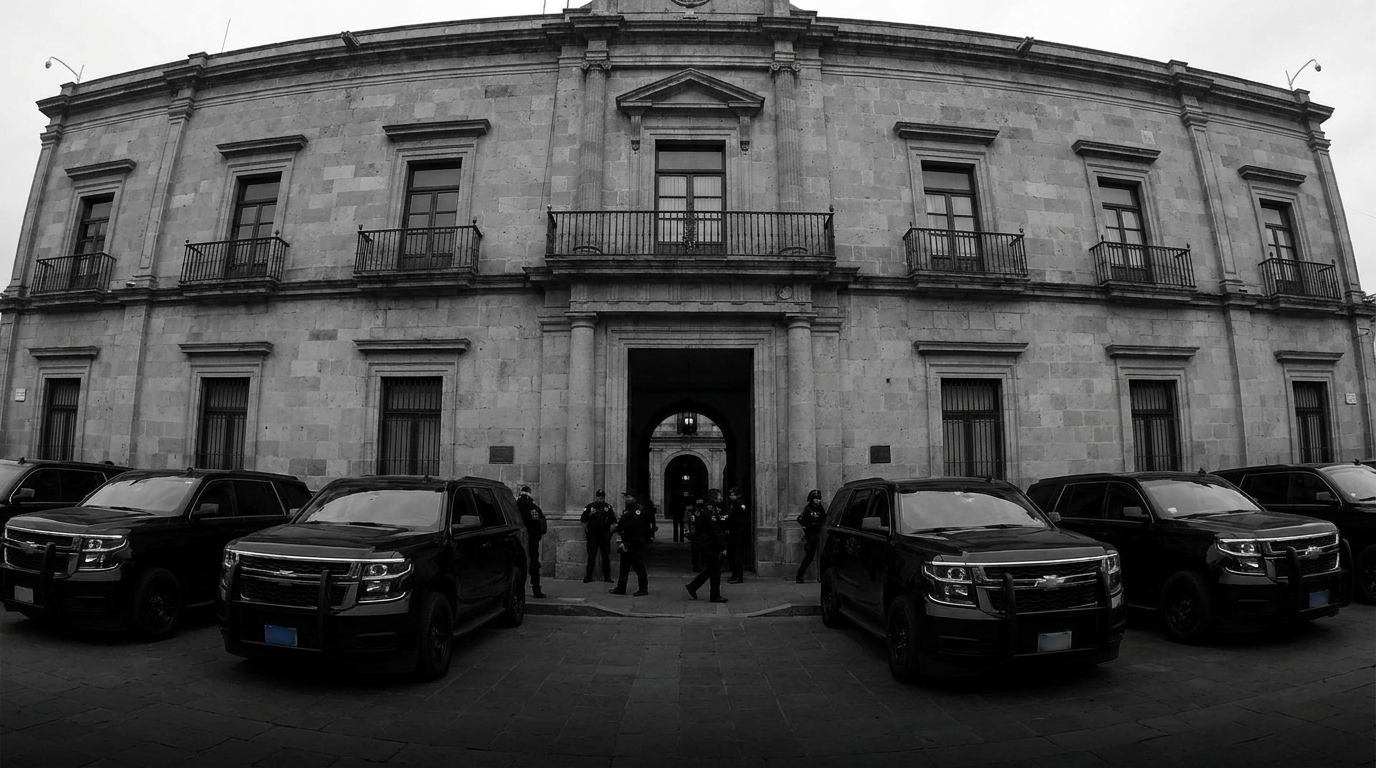
Mexican authorities have apprehended the mayor of Cuautla, a historically significant city near the nation's capital, in a move underscoring the government's intensifying efforts to purge corrupt officials. Jesús Corona Damián was taken into custody on Saturday, according to an announcement by Security Minister Omar García Harfuch via social media.
The arrest follows an arrest warrant issued on May 20 by the state's attorney general's office. Mayor Corona had reportedly been evading authorities in the days preceding his detention, following earlier arrests of other high-ranking officials in the state of Morelos. These actions are part of a sweeping initiative launched under President Claudia Sheinbaum's administration, which vowed a strong stance against corruption upon its inception in 2024.
Nationwide Anti-Corruption Drive Intensifies
The ongoing operation targets numerous politicians accused of involvement in extortion schemes and alleged connections to organized crime networks. Security Minister García Harfuch stated on X that this comprehensive campaign has resulted in the detention of over 85 officials and former officials. Among those apprehended are seven currently serving mayors, highlighting the breadth of the crackdown.
President Sheinbaum's administration has consistently emphasized a policy of "zero impunity" concerning any linkages between public servants and criminal organizations. This approach aims to restore public trust by demonstrating decisive action against perceived corruption within government structures across the country.
Broader Implications for Governance
The recent detentions signal a determined effort by the Mexican federal government to dismantle entrenched corruption. By targeting elected officials, including mayors, the administration is sending a clear message about accountability and the consequences of illicit activities. This high-profile operation is expected to have ripple effects throughout state and local governments.
The government maintains that its anti-corruption strategy is crucial for ensuring fair governance and economic stability. Continued enforcement and transparency in these investigations will be key to assessing the long-term impact on public perception and the effectiveness of these anti-graft measures. The focus remains on rooting out systemic corruption to foster a more equitable society.
Looking ahead, authorities are expected to continue monitoring and investigating alleged corrupt practices within public office. The success of this initiative will likely be measured by its ability to dismantle criminal enterprises that leverage political influence and to prevent future instances of corruption. The commitment to holding officials accountable sets a precedent for governance in Mexico.