UN Faces Financial Crisis Amid US-China Funding Dispute
The United Nations is facing a severe financial crisis due to substantial funding shortfalls from the US and China.
Lauren Collins ·
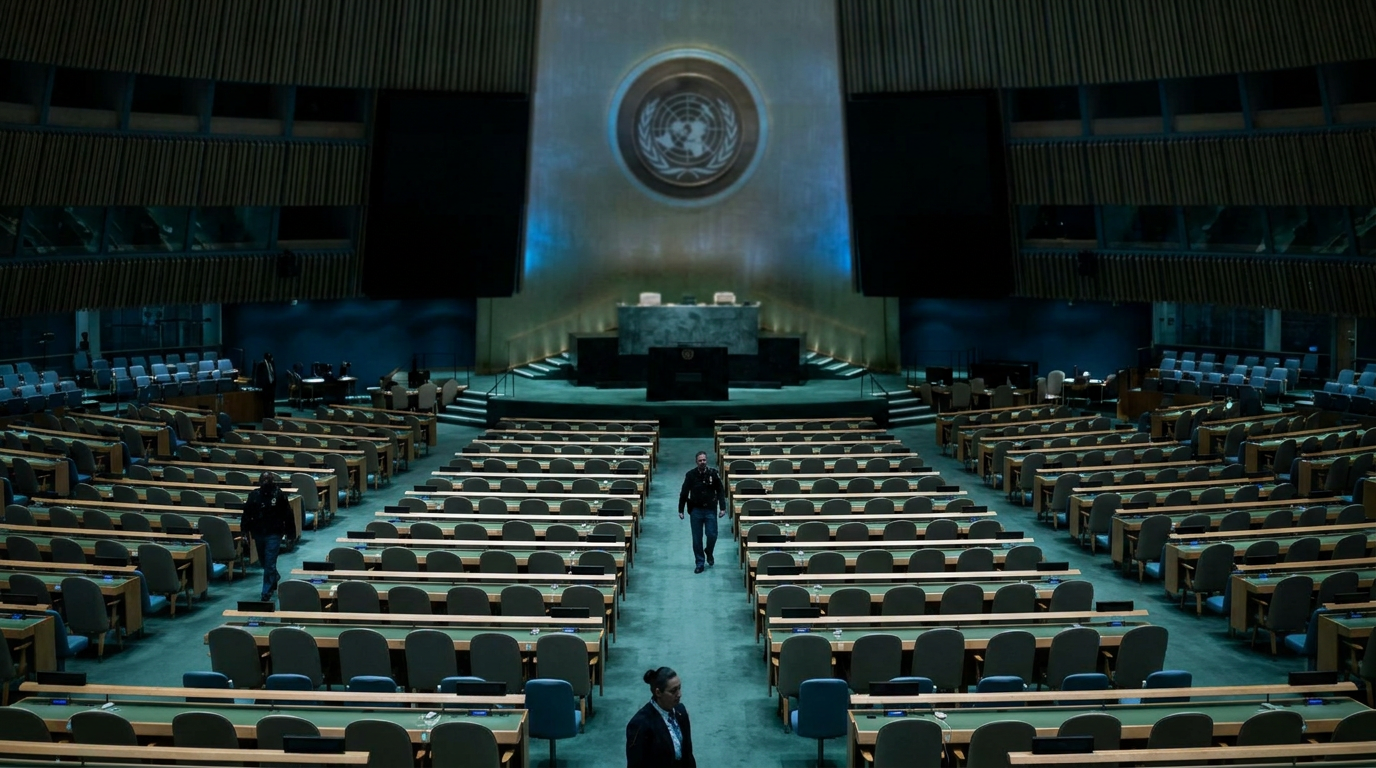
The United Nations is grappling with an acute liquidity crisis, warning of potential financial collapse as major contributors, the United States and China, withhold payments. Secretary-General António Guterres has characterized the situation as a 'race to bankruptcy,' with the organization facing insolvency by mid-August. This financial strain occurs at a critical juncture, just as the process for selecting his successor intensifies.
Global Powers Withhold Crucial Funds
The U.S. owes more than $4 billion to the UN, having previously withdrawn from several UN programs, including the World Health Organization. This action was attributed by the Trump administration to concerns over wasteful spending and ineffective policies. Concurrently, China, while positioning itself as a staunch defender of multilateralism, has also delayed its payments.
Beijing still owes $455 million, despite a recent infusion of nearly $850 million during a visit by its Foreign Minister Wang Yi. The combined funding shortfall from these two global powers is particularly significant, as they collectively account for 42% of the UN's essential operational budget. The UN has noted that candidates for the Secretary-General succession are emerging, including figures from Argentina, Costa Rica, Senegal, Ecuador, and Chile.
Unprecedented Austerity Measures Implemented
In response to the unprecedented financial pressure, the UN has implemented drastic cost-cutting measures. These include significant spending reductions, an accelerated efficiency drive, and the closure of various offices. A record 3,000 secretariat positions have been eliminated as part of these efforts.
The organization has also curtailed interpreter services, reduced power consumption by deactivating escalators, and deferred maintenance on its New York headquarters. Operational adjustments extend to peacekeeping missions, with accelerated troop drawdowns in volatile regions like the Democratic Republic of the Congo. Furthermore, the UN has delayed reimbursements to nations such as Nepal and Bangladesh that contribute troops to its international operations.
Stance of Key Contributors
Both Washington and Beijing have outlined conditions for their future financial contributions. China has affirmed its commitment to meeting its financial obligations. The U.S. has indicated that continued support is contingent on achieving deeper cost savings, including further staff reductions, limitations on business-class travel, and increased use of automated translation services.
A senior U.S. State Department official, Michael G. DeSombre, conveyed to the UN Security Council that the administration's approach prioritizes clarity and concrete results over perceived inefficiency. This stance underscores a broader debate about the effectiveness and fiscal responsibility of international organizations and their reliance on contributions from member states.
The UN's financial struggles highlight the delicate balance of power and responsibility within the international community. The organization's capacity to address global challenges effectively is directly linked to the reliable financial support of its member states, particularly its largest economic powers.