Meta settlement sends D.C. up to $129 million for youth
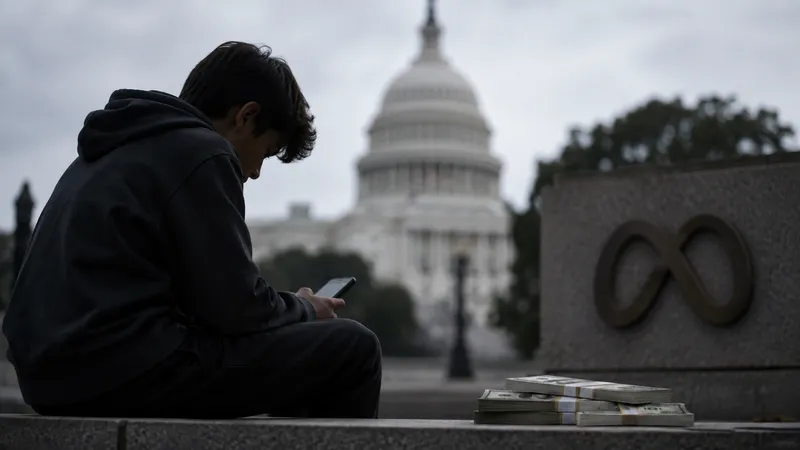
The Meta settlement would send D.C. up to $129 million over 10 years for youth mental health and other public health programs.
Sophie McAlister ·
The Meta settlement would send D.C. up to $129 million over 10 years for youth mental health and other public health programs.
$129 million for D.C.
Meta agreed on August 26 to a roughly $17 billion settlement with states and D.C. over allegations that Facebook and Instagram were designed in ways that harmed children. The company did not admit those allegations in the source material provided, and the deal still needs a judge’s approval.
D.C. Attorney General Brian Schwalb announced the city’s share, which would be paid across a decade rather than delivered at once. Virginia is set to receive $353 million and Maryland $327 million, putting the D.C. region in line for hundreds of millions of dollars if the agreement clears court review.
Half of D.C.’s money must go toward “abatement,” according to a spokesperson for Schwalb. The category includes mental health support, public health messaging, youth mental health programming, after-school programs and possible expansion of suicide hotline services.
Schwalb described the agreement as “a monumental public health victory for young people in D.C. and across the country.” His office framed the funds as a public health response to youth harms alleged by governments that sued the company.
Teen accounts face limits
The settlement also sets new rules for under-18 users on Facebook and Instagram. Meta agreed to limit those users to two hours a day, block access from midnight to 6 a.m. and curb notifications during school hours.
Young users would also get the option of a chronological feed rather than one ordered by algorithmic recommendations. Parents would be able to make the chronological feed the default setting, adding a family-level control to platform design choices that have drawn scrutiny from state officials.
The agreement would also stop children from seeing likes and other reactions on posts. For Meta, the platform changes attach operational limits to a cash settlement, making the deal more than a payout to state and local governments.
TikTok and YouTube condition
Meta also issued an open letter asking TikTok and YouTube to join the settlement framework. About $5 billion of Meta’s settlement is conditional on those companies reaching their own agreements with states.
The conditional terms would require TikTok and YouTube to impose a one-hour daily usage limit, nighttime restrictions and age-assurance features. They would also have to pay about $5 billion each, according to the settlement terms described in the source material.
If TikTok and YouTube join, the states’ approach could move from a single-company settlement to a broader operating standard for major youth-facing platforms. If they do not, the Meta agreement would still create a template for limits on teen use, but without the same cross-platform reach.
Judge approval starts timeline
The deal is expected to end the trial if the judge approves it. For D.C., approval would start a 10-year funding stream that city officials would have to channel into eligible public health and youth programs.
If the court requests changes, the timing and final terms could shift before money reaches local programs. The main open question for the District is how broadly officials define abatement while still meeting the settlement’s spending requirements.
For the wider social media industry, the mechanism is clear: state settlements can convert child-safety allegations into cash payments, usage caps and product-design rules. For families, schools and youth-service providers in Washington, the practical test will be whether those dollars and limits change the daily experience of teenagers using major platforms.