Melbourne Trials Contactless Payments on Four Rail Lines
Melbourne begins a trial of contactless payment systems on four suburban rail lines, allowing commuters to use bank cards or digital wallets.
Cuneyd Erdogan ·
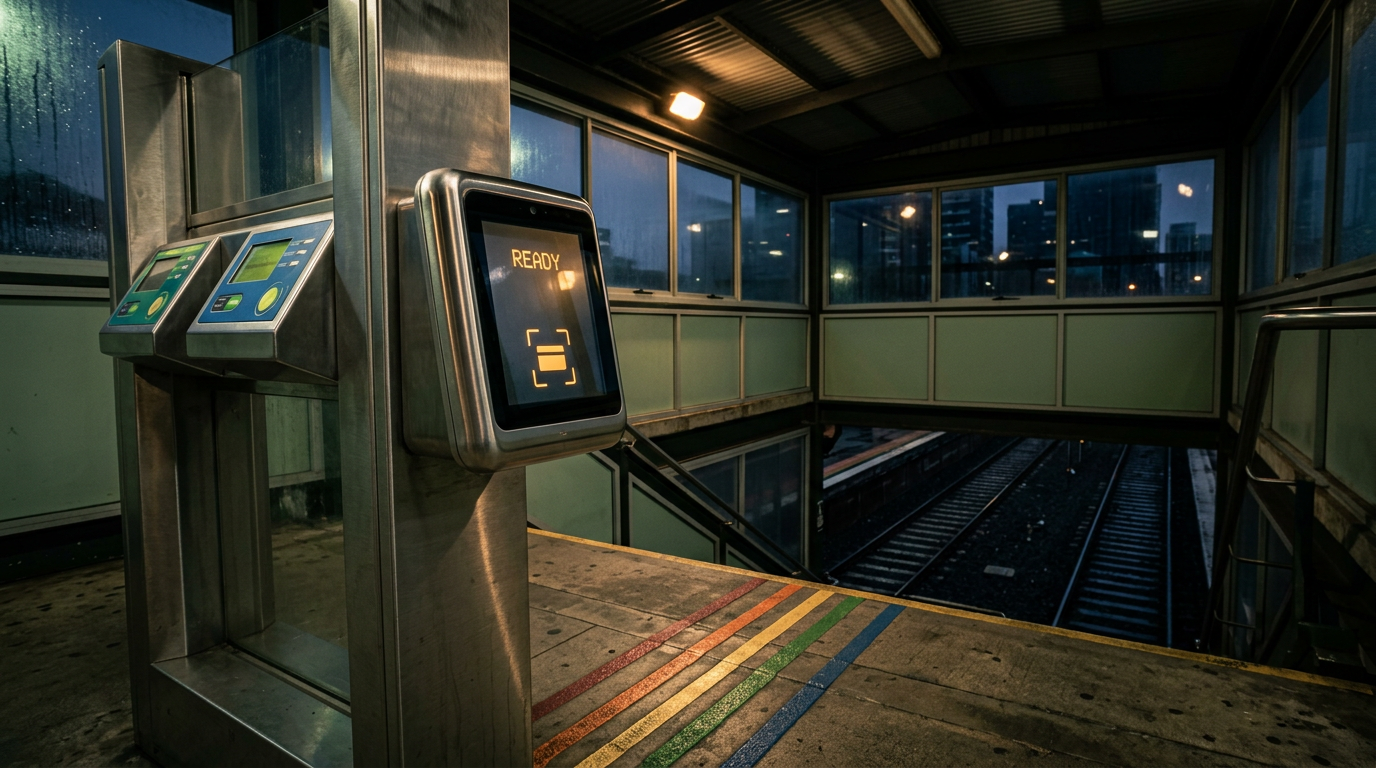
Melbourne's public transport network is set to introduce contactless payment options for rail commuters, beginning with a trial on Monday. This initiative will allow passengers to use debit or credit cards, smartphones, or smartwatches for fares, moving beyond the existing Myki card system. The initial rollout will encompass four specific train lines within the suburban network.
Initial Rollout Details
The trial will commence on the Craigieburn, Upfield, Ballarat, and Seymour lines. This marks a significant shift in fare collection methods for these routes, offering passengers an alternative to purchasing and topping up physical Myki cards. The move aligns Melbourne with other major Australian cities that have already adopted similar tap-and-go technologies for public transport.
Expanding Payment Options
This development represents an effort by the state government to modernize the public transport experience. The integration of contactless payment systems aims to enhance convenience for both residents and visitors, streamlining the boarding process and potentially reducing queues at Myki vending machines. The trial period will be crucial for assessing the system's efficiency and user adoption rates.
Broader Context of Public Transport Modernization
Many global cities have transitioned to contactless payment systems, recognizing the benefits of speed and ease of use. Such systems often reduce operational costs associated with card issuance and maintenance, while also providing valuable data on passenger flow and usage patterns. Melbourne's adoption of this technology reflects a broader trend in urban infrastructure development aimed at improving accessibility and user experience.
Impact on Commuters and Tourism
For commuters, the new system offers greater flexibility, particularly for infrequent travelers or tourists who may find the Myki card system less intuitive. The ability to use existing bank cards or digital wallets eliminates the need to acquire a separate transport card, simplifying travel logistics. This could positively impact tourism by making public transport more accessible to international visitors.
Future Expansion and Integration
While the initial trial is limited to specific rail lines, successful implementation could pave the way for a broader rollout across Melbourne's entire public transport network, including trams and buses. The long-term vision likely involves a fully integrated system where all modes of transport accept diverse payment methods, enhancing the overall efficiency and attractiveness of public transit.
Technological Shift in Urban Mobility
The introduction of tap-and-go technology signifies a technological shift in urban mobility within Victoria. It moves the city towards a more digitally integrated public transport system, mirroring advancements seen in other major metropolitan areas worldwide. The trial's outcome will inform future decisions regarding the complete overhaul or integration of fare collection systems across the state.
Implications
Country Impact: Australia's public transport sector continues its modernization trend, with Melbourne joining other major cities in adopting contactless payment systems. This move could set a precedent for further technological upgrades in urban mobility nationwide.
Industry Impact: The public transport industry will observe the trial's success, potentially influencing technology providers and operators to accelerate similar transitions in other regions. It highlights a growing demand for integrated, user-friendly fare collection solutions.
Market Impact: The introduction of contactless payments could subtly impact retail and tourism sectors by making public transport more accessible, potentially increasing foot traffic in commercial areas. It also signals a shift in consumer payment habits towards digital solutions.