McDonald’s warns prolonged Iran conflict could lift costs and squeeze demand as fuel prices rise
McDonald's warns that the Iran conflict could increase costs and reduce demand, particularly among lower-income consumers, despite strong Q1 earnings.
Atlas Newsdesk ·
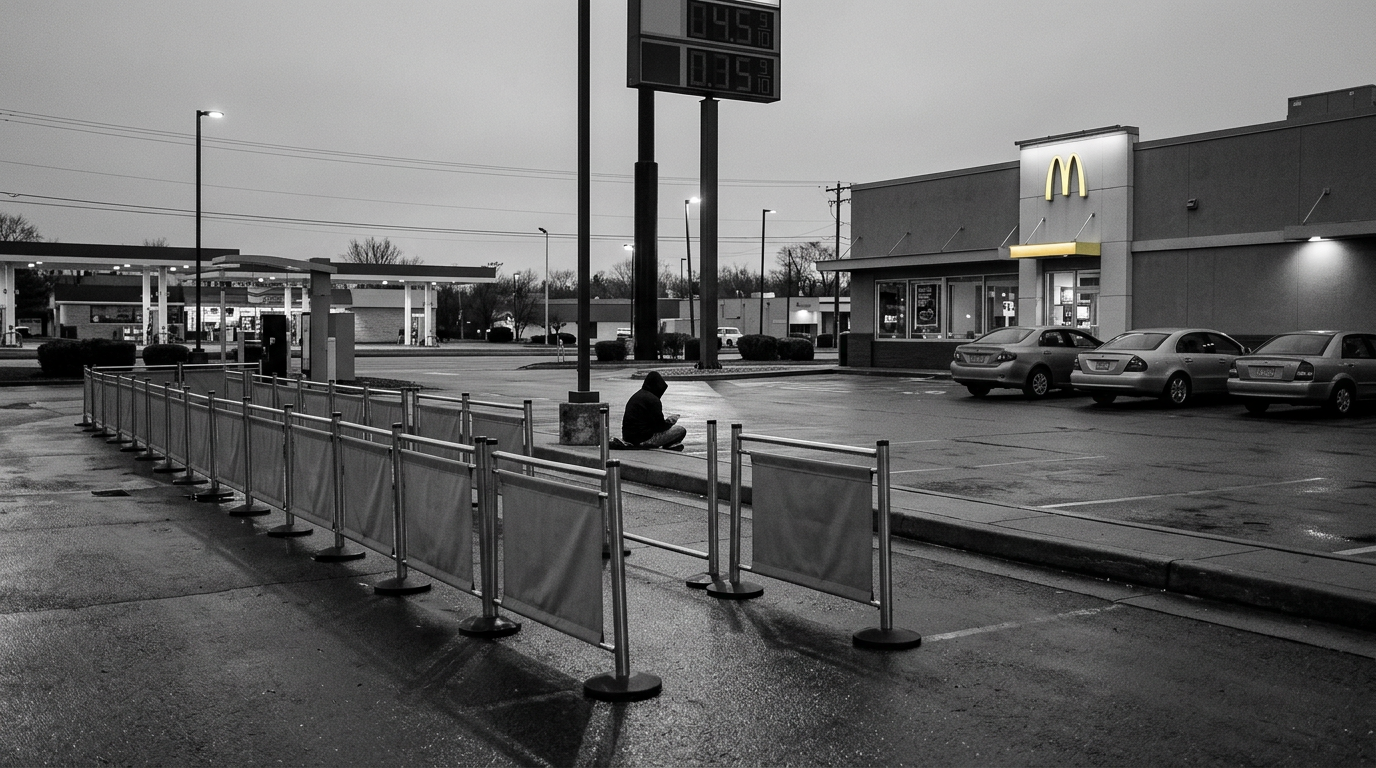
McDonald’s said a prolonged conflict involving Iran could disrupt supply chains, raise operating costs and further pressure consumer demand, with lower-income customers likely to be hit hardest as gasoline prices climb.
Chief executive Chris Kempczinski said the company is positioned to manage near-term volatility, but sustained geopolitical tensions could push expenses higher and weigh on consumer spending.
Gas prices squeeze budgets McDonald’s said higher fuel prices are curbing discretionary spending among lower-income consumers. Chief financial officer Ian Borden said sales turned slightly negative in April, pointing to a weaker start to the second quarter.
The comments echo remarks from other U.S. restaurant chains, including Shake Shack and Papa John’s, which have also cited fallout from the conflict involving Iran as weighing on sales growth.
First-quarter results and value strategy McDonald’s reported first-quarter revenue of $6.52 billion, above estimates of $6.47 billion. Adjusted earnings per share were $2.83, topping expectations of $2.74.
Global comparable sales rose 3.8%, improving from a 1% decline a year earlier, though slightly below analysts’ estimate of 3.95%.
McDonald’s said it is leaning on a refreshed value strategy, including an expanded McValue platform and breakfast deals, to help offset pressure on demand.